
Search results for "Efficient environment" in Home Design Ideas

 Wakely and Company Limited
The wall tiles in the shower of this shared bath create sunshine indoors! The glazed checkerboard pattern is created using Olympia 4 x 4 tiles in a combination of caramel and giallo yellow. The 4 x 4 decorative inlay tiles are from Ciot. Photo by Split Second Photography




Find the right local pro for your project




 Kokoro Home LLC
Nestled beneath the stairs, this powder room was designed to surprise and delight. Rich botanical wallpaper transforms the compact space into an immersive retreat, while soft sage tile, warm brushed brass fixtures, and a fluted vanity add texture and timeless character. Thoughtfully layered materials create depth without overwhelming the room, proving that even the smallest spaces can become some of the most memorable. The result is a powder room that feels sophisticated, inviting, and full of personality.
 John
Coco coir is a versatile and sustainable growing medium that is gaining popularity among gardeners. Made from the fibrous husk of coconuts, it’s an eco-friendly alternative to peat moss and can greatly enhance the quality of your soil. In gardening, it is often utilized in systems like Coco Coir Hydroponic, where it helps create an efficient water and nutrient delivery system.
What is Coco Coir?
Coco coir is a natural fiber extracted from coconut husks. It has a neutral pH, excellent water retention, and is reusable, making it a favorite among gardeners who prefer organic and sustainable practices. It is available in different forms such as blocks, bricks, or loose coir, each requiring some preparation before use in gardening.
Benefits of Using Coco Coir in Gardening
Coco coir offers several advantages for gardening. Here are the benefits of using coco coir in gardening:
Holds up to 10 times its weight in water, ensuring plants have consistent moisture.
Promotes oxygen flow to plant roots, leading to healthier root systems.
Coco coir is a renewable and eco-friendly alternative to peat moss.
It can be washed, rehydrated, and reused, reducing waste.
Naturally pH neutral, making it suitable for various plants without major adjustments.
Enhances the texture and moisture retention of garden soil.
How to Prepare Coco Coir for Planting
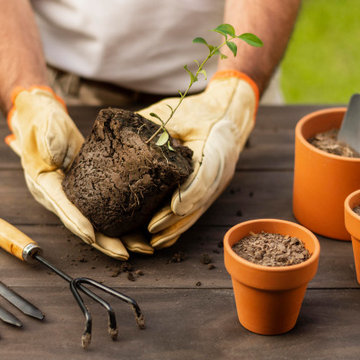
Preparing coco coir for planting involves a few essential steps. First, you need to hydrate the coir block, as it typically comes in a compressed form. Place the block in a large container and add warm water, allowing the block to expand and absorb the water. Once fully expanded, the coir should be fluffed up by breaking it apart with your hands or a tool to ensure it becomes loose and airy. After the coir has been fluffed, it is important to drain any excess water, as overly wet coir can lead to root suffocation. Finally, since coco coir is inert and does not contain nutrients, it’s a good idea to add organic compost or liquid fertilizer to enrich the coir before planting.
Do You Need to Soak Coco Coir Before Planting?
Yes, soaking coco coir before planting is necessary. Since it comes in a compressed form, it needs to be broken down and hydrated for proper use. The soaking process allows the coir to expand and release the fibers, making it usable as a growing medium. After soaking, the coir should be fluffed to ensure the water is evenly distributed. Draining any excess water is crucial because overly wet coir may impede plant root health.
How to Prepare Coco Peat for Planting
Coco peat, a fine, powdery form of coco coir, is highly beneficial for seed starting and improving water retention in soil. To prepare coco peat, it first needs to be hydrated, similar to how you prepare coir blocks. Slowly add water to the peat in a container and allow it to absorb and fluff up. Once hydrated, coco peat can be used on its own or mixed with other growing media such as perlite or vermiculite for added aeration and drainage. It is advisable to check the pH level of your final mix, as coco peat generally has a neutral pH, but adjustments may be necessary depending on the plants being grown.
Can You Use Just Coco Coir for Plants?
Yes, coco coir can be used by itself to grow plants, especially in hydroponic systems or as a seed-starting medium. However, because coco coir does not naturally contain nutrients, you will need to provide regular fertilizer to support plant growth. This makes it particularly suitable for plants grown in controlled environments, such as hydroponics, where nutrient solutions can be carefully managed. In traditional soil-based gardening, mixing coco coir with other organic materials like compost is recommended to provide essential nutrients and improve the overall soil structure.
How to Use Coco Coir in Hydroponics
Coco coir is widely used in hydroponic systems due to its water retention and aeration properties. To use coco coir in hydroponics, it first needs to be soaked and hydrated, as discussed earlier. Once the coir is fully prepared, it can be placed in the hydroponic system. Since coco coir does not contain natural nutrients, you will need to supply a balanced nutrient solution tailored for hydroponic plants. Regular monitoring of water and nutrient levels is essential to prevent nutrient imbalances or root rot. One of the benefits of coco coir in hydroponics is its reusability. After completing a growing cycle, the coir can be washed, rehydrated, and used again in future plantings.
Using Coco Coir as a Soil Amendment
Coco coir is also an excellent soil amendment, as it improves the texture and moisture retention of garden soil. To use coco coir in this way, mix loose coir with your existing garden soil at a ratio of one part coco coir to two parts soil. This will help retain moisture without compacting the soil, improving both water drainage and root growth. For optimal results, you can also add organic compost to the mix, ensuring that the nutrient levels are sufficient for plant growth. Coco coir works particularly well in raised beds, where it helps maintain proper soil structure over time.
Advantages of Using Coco Coir Over Peat Moss
While peat moss has been traditionally used as a growing medium, coco coir offers several advantages over it. Coco coir is a renewable resource, as it is a byproduct of coconut processing, while peat moss is harvested from peat bogs that take centuries to regenerate. Coco coir is also more durable, as it can be reused multiple times without breaking down, while peat moss disintegrates after a single use. Another key benefit is its neutral pH, whereas peat moss is more acidic and may require balancing to meet the needs of specific plants.
Conclusion
Coco coir is a highly versatile and sustainable growing medium that benefits both novice and experienced gardeners alike. Whether you are using it for hydroponics, as a soil amendment, or as a standalone medium for growing plants, knowing how to properly prepare and use it is key to maximizing its benefits. By following the steps detailed above, you can improve water retention, aeration, and overall plant health in your garden, all while contributing to eco-friendly gardening practices.

 Grove Hill Farm
This is an example of a large transitional backyard concrete and rectangular landscaping in Houston.



 Bennett Binns Architects
steel folded plate stair with stainless hand rails and cables.
Inspiration for a contemporary staircase remodel in San Francisco
Inspiration for a contemporary staircase remodel in San Francisco

 NuAge PC, LLC
Large trendy open concept home theater photo in Miami with beige walls and a wall-mounted tv

 Coastal Trim and Design LLC
Popcorn ceiling before Shiplap added
Inspiration for a coastal home design remodel in DC Metro
Inspiration for a coastal home design remodel in DC Metro


 Regenesis Ecological Design
Arctostaphylos columbiana (Hairy Manzanita) thrives in the dry slopes of this woodland garden. The unique bark provides year-round interest. The fruit is a good source of winter food for birds visiting your garden.

 Shades of Home
Hunter Douglas Pirouette, En-suite Bathroom
Inspiration for a timeless bathroom remodel in Toronto
Inspiration for a timeless bathroom remodel in Toronto


 Shoshana Halpert Designs
Inspiration for a small transitional 3/4 gray tile, white tile and porcelain tile travertine floor alcove shower remodel in New York with shaker cabinets, dark wood cabinets, a two-piece toilet, gray walls, an integrated sink and granite countertops

 Balducci Additions & Remodeling
Stan Sweeney
Large transitional detached two-car garage photo in Richmond
Large transitional detached two-car garage photo in Richmond


196