
Search results for "Email confirmation" in Home Design Ideas



Find the right local pro for your project


 Honey, Fix It (We Fix What Your Honey Doesn't!)
Photo's taken by Teresa Faria - Honey, Fix It Inc. Project manager
This is an example of a large traditional back porch design in Philadelphia with decking and a roof extension.
This is an example of a large traditional back porch design in Philadelphia with decking and a roof extension.

 Ginger Rabe Designs, LLC
This bathroom was a new build. Ginger designed this bedroom complete with a walk in closet and expansive bathroom above an existing garage. The bathroom features ambulant amounts of storage, floating custom vanity, soapstone counter tops, and marble walls with in the shower. The concept was drawn in 3D and then build to the CAD drawings. This new bedroom was then attached the the existing home by opening up the wall and building a custom metal railing catwalk. The project was built with Ginger watching every detail and came out to perfection.
 Jones Outdoor Living
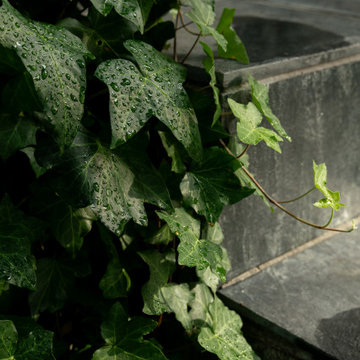
A modern West Coast landscape in Vancouver blending clean architectural lines with lush, layered planting. Large-format paving, natural stone, sculptural boulders, integrated lighting, a subtle water feature, and contemporary outdoor seating create a calm, highly functional garden that feels both refined and connected to nature. The design draws on Scandinavian and Pacific Northwest influences, balancing minimalist hardscape with soft, textural planting for year-round interest.
Sponsored
Columbus, OH

Trish Takacs Design
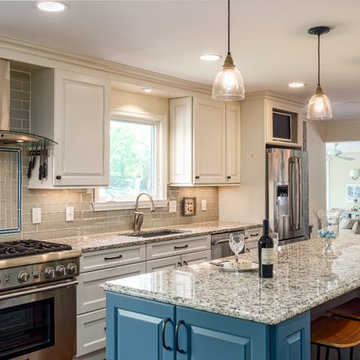
Award Winning & Highly Skilled Kitchen & Bath Designer in Columbus



 A+V Design Group ATL
Custom built-ins for a family lounge in the West Wesley area of Atlanta. In collaboration with Nancy Felton of NF Design, A+V Design Group ATL developed the final details and proportions, fabricated the cabinetry and slim shelves, and completed precise on-site fitting with integrated display lighting.


 Xpert Build & Reno
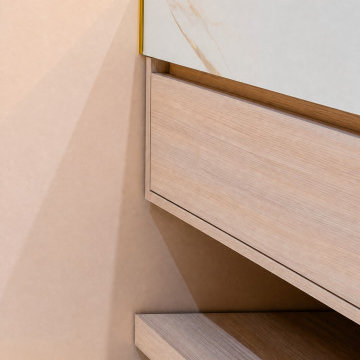
This full bathroom renovation was completed for a homeowner in Vaughan, Ontario who wanted something truly unique, a space that felt warm, feminine, and luxurious without sacrificing modern clean lines. The result is one of our most distinctive transformations to date.
The design centres around a bold blush rose accent wall paired with polished gold hardware throughout, a combination that creates a warm, boutique-hotel feel the moment you walk in. Every single finish was hand selected to complement each other perfectly, from the Calacatta marble slab shower surround to the ceiling-mounted gold rain head and the custom floating wood grain vanity with integrated marble countertop.
Scope of Work:
Full demolition and rebuild including waterproofing, tile installation, custom vanity installation, plumbing, electrical, glass installation, and all finishing details.
Key Features:
Ceiling-mounted gold rain shower head — a statement piece that sets this bathroom apart
Large format Calacatta marble porcelain slab — shower walls floor to ceiling
Custom LED illuminated shower niche built into marble wall
Frameless glass shower enclosure with polished gold trim and hardware
Floating custom vanity with Calacatta marble integrated countertop and open shelf below
Blush rose accent wall with custom gold trim inlay detail running perimeter of entire room
Polished gold towel rack, toilet paper holder, and all accessories
Large format white marble porcelain floor tile
Recessed LED pot lighting
Backlit LED round mirror
Materials & Finishes:
Wall tile: Large format Calacatta marble look porcelain slab — white with soft grey veining
Floor tile: Large format white marble porcelain — seamless and polished
Fixtures: Polished gold throughout — ceiling rain head, hand shower, faucet, towel rack, accessories
Vanity: Custom floating two drawer with open shelf — natural wood grain finish
Countertop: Integrated Calacatta marble porcelain — seamless waterfall edge
Glass: Frameless tempered glass shower enclosure with gold trim
Wall accent: Blush rose paint with custom gold trim inlay detail
Colour Palette:
Blush rose accent wall
Crisp white marble floor and shower surround
Rich polished gold hardware throughout
Natural warm wood tone vanity
Soft Calacatta gold veining on countertop
Style: Modern Glam / Contemporary Luxury / Spa Inspired
Location: Vaughan, Ontario — serving Woodbridge, Kleinburg, Maple, Richmond Hill & GTA
 SUPERIOR CHIMNEY SERVICES CORPORATION
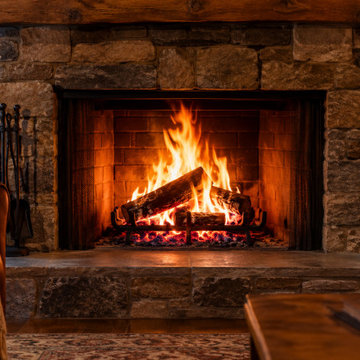
To prepare your fireplace and chimney for winter, schedule a professional inspection and chimney cleaning. The temperatures are just about right to either fire up those logs or turn on the gas fireplace. Either way, you don’t want to miss out on a cozy night in front of the fireplace.
But why is it important to prepare your fireplace and chimney for winter? That’s what we going to talk about today, everything from the damper, to chimney cap to what to look out for and what to repair now. The team at Superior Chimney is ready to share practical tips for getting ready for the cold to start.
Why is it Important to Prepare the Fireplace for Winter?
Your fireplace works hard during the winter. Using your fireplace just on the weekends or everyday while you relax causes system stress behind the scenes regardless. While providing you warmth and comfort, the fire in the fireplace creates a byproduct called creosote, which is sticky and gives off a smokey smell. All winter long, this will be slowly building inside of the chimney walls. Now that’s what’s going on inside your home.
Outside, your chimney endures the elements every day with the snow, ice, freezing rain, and critters looking for a nice warm place to settle. All these things add up putting stress on the chimney structure.
Getting this done now will give you peace of mind and helps your system run efficiently. This way, heat stays in your living room where you want it.
Start with an Annual Chimney Inspection
The most important step to take now is to get a certified chimney inspection before you light your first fire. A certified technician can identify creosote buildup, cracked flue liners, damaged masonry and blockages that are hard to see from inside and outside the home.
The National Fire Protection Association standard for chimneys, fireplaces, and vents calls for chimneys to be inspected at least once a year and cleaned as needed for safe operation (NFPA 211).
The Chimney Safety Institute of America gives the same guidance, recommending that fireplaces, chimneys, and vents be inspected annually by a certified professional (CSIA).
Ventilation is a Breath of Fresh Air for Your Home
Proper ventilation allows your home to breathe. Your home relies on vents connected to the fireplace and natural gas appliances to carry harmful gases such as carbon monoxide safely outdoors.
During the winter, snow and ice can pile up around the vents. When that happens, pollutants have a harder time leaving the home.
Signs of a Blocked Chimney Vent
A blocked vent can cause symptoms such as headaches, nausea, fatigue, and dizziness. If symptoms go away once you or your family leave the house, that’s a sign of a blocked chimney vent, and it needs to be addressed right away. Be sure your carbon monoxide detectors are in working order and located on every level of your home.
Keep the Cold Air Out of Your Fireplace
Pay attention to the chimney effect, also called the stack effect, during winter. Warm air inside your home rises to meet the colder air outside. That cold air can rush down the chimney and into your home.
This pressure imbalance can also pull smoke back into the room when you light a fire. Keeping the damper closed whenever the fireplace is not working, is one of the best ways to stop cold drafts from entering your home.
Have You Tried to Preheat the Chimney Flue?
What? What is that? When you are ready to light the fireplace, warming the flue can help smoke travel up the chimney flue and out of your home. Light your gas starter without wood in there for a few minutes or a small bundle of kindling if you don’t have the convenience of a gas log starter. This will warm the air and cold chimney walls within the chimney flue so when the fire starts, it will go up and out of your home (Priming the system). Never roll up a sheet of newspaper, or any paper, and hold it up toward the open damper!
The New Critter Home?
For many animals, a chimney looks like a warm and safe place from the cold and freezing temperatures. Squirrels, raccoons, birds, bats, possum and other small creatures may try to nest inside.
How do you know if a critter made its way in? If you hear scratching, chirping, or the sounds of moving around in the chimney, or a foul smell call a certified chimney professional to inspect the chimney flue. A technician can safely remove the animals and check for any nesting material or structural damage it left behind.
Sometimes an animal can die inside the chimney. Typical first signs can be a strong odor, trouble venting smoke, seeing flesh flies or maggots. Any situation, you will want to call Superior Chimney at 877-244-6349 for help.
You may want to consider a tightly fitted stainless steel chimney cap with mesh sides is the best long term solution. It keeps wildlife out while still allowing smoke and gases to escape freely.
What are Common Chimney Repairs
Your chimney stands tall and is exposed to the weather all year long. In winter, snow builds up on the chimney crown and rain always finds its way into small crack in the chimney masonry. Anytime you have spalling or cracked bricks with or without missing or deteriorating mortar, you have a problem brewing with the chimney structure. When water from rain or snow freezes, it expands and widens the cracks. This process is known as the freeze and thaw cycle.
Water that enters the chimney can mix with creosote. That’s what creates a musty, smoky smell. A persistent odor from your fireplace is often an early sign that moisture is getting inside, so prompt repairs help protect your home.
Don’t Forget the Chimney Flashing
Metal step flashing seals the joint where your chimney meets the roof. Over time, it can loosen, rust, or pull away from the chimney.
Have a certified chimney professional inspect the flashing each year to confirm it remains watertight. Adding a waterproofing sealant to the masonry and a crown repair when needed gives your chimney lasting protection through the wettest months.
The Chimney from Bottom to Top
Each year when your chimney inspection is performed, the certified chimney technician will automatically check the firebox all the way up to the damper and out to the exterior chimney itself. The chimney technician will be looking for cracked or missing firebricks, gaps in the mortar joints, and loose pieces within the chimney walls especially if you do not have a chimney liner.
The chimney technician is searching for hairline cracks, damaged bricks, ineffective damper, damaged or missing chimney cap to name a few on the 14-point inspection. Because it is difficult for a homeowner to inspect on top of the roof or inside of the chimney as well as know exactly what to look for, it is best to have a trained, certified technician to do it for you. The technician will show you and the office staff will email you pictures so you have an understanding of what the technician has found.
Keep Fire Safety Essentials Nearby
A few simple tools make a fire experience safer for family, pets and guests.
Keep a sturdy metal fireplace screen in front of the opening to catch sparks and embers.
Place a fire extinguisher rated for household use in a safe, dry space. If you can have it near the fireplace, even better. Be sure to talk to family members or anyone else living in your home so they know where it is.
Test smoke alarms and carbon monoxide detectors monthly throughout the heating season.
Keep rugs, furniture, holiday decorations including Santa stockings at least three feet from the fireplace. This space gives you plenty of room to ensure the fire stays in the fireplace.
When it is time to clean out the ashes, wait until they have cooled down… at least until the next morning. Shovel them into a metal container with a tight lid and keep it outside away from your home.
Preparing a Gas Fireplace for Winter
Gas fireplaces need attention before starting it up too. Have a certified chimney technician check the burner, pilot assembly, gas connections, and venting system before you turn it on for the season. The chimney technician will continue to conduct a thorough cleaning and inspection from bottom to top according to the 14-point inspection.
As a homeowner, clean the protective glass front that’s attached or separate from the fireplace only once the unit is cool. Look for any soot buildup, which can be an indication that a burner or vent is experiencing a problem.
Frequently Asked Questions
How often should a chimney be inspected?
CSIA (the Chimney Safety Institute of America), NCSG (the National Chimney Sweep Guild), NFPA (the National Fire Protection Association) and IRC (International Residential Code) all specify a chimney inspection at least once a year. Cleaning is then scheduled based on how much buildup the technician finds.
Why does my fireplace smell bad in winter?
A strong odor can point to creosote mixed with moisture, a downdraft caused by the stack effect, or an animal in the chimney flue. A certified inspection can pinpoint the cause quickly.
Should I close the damper when the fireplace is off or cooled?
Yes, once the fire is completely out and the ashes are cool. A closed damper keeps warm air inside and cold air outside.
What is the best time of year to have my chimney cleaning?
Right now! Scheduling before the first cold snap gives you more appointment options and time for any repairs.
Do I need a chimney cap?
A chimney cap is critical to the function of your chimney. It keeps out rain, snow, debris and animals while allowing smoke to go up and out of your home properly. Every chimney needs a chimney cap for the same reasons every home needs a roof!
Get Your Fireplace Winter-Ready With Superior Chimney
A well maintained fireplace is one of the coziest parts of winter. With a yearly inspection, clear vents, a sturdy chimney cap, and sound masonry, you can enjoy every fire without unnecessary worry. Now that you know how to prepare your fireplace and chimney for winter, contact Superior Chimney today to schedule your inspection and sweeping, and enjoy a warm and comfortable season by the fire.

78