
Search results for "Fertile" in Home Design Ideas


 Charles McClure - Professional Site Planning
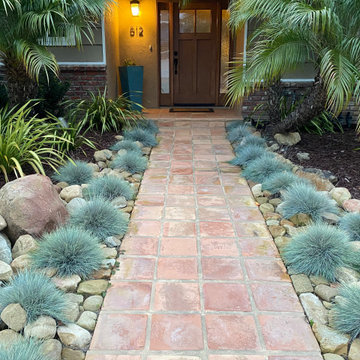
New entry and landscape for Santa Barbara Residence. The pigme date palms were existing, The got cleaned up, fertilized.
Inspiration for a mid-sized mediterranean home design remodel in Santa Barbara
Inspiration for a mid-sized mediterranean home design remodel in Santa Barbara
Find the right local pro for your project



 Native Plant Landscape Design Corp
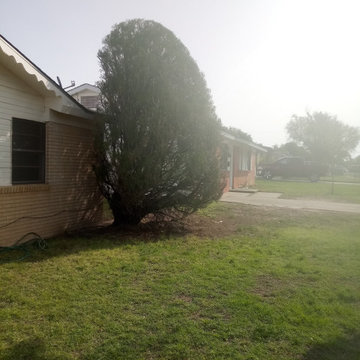
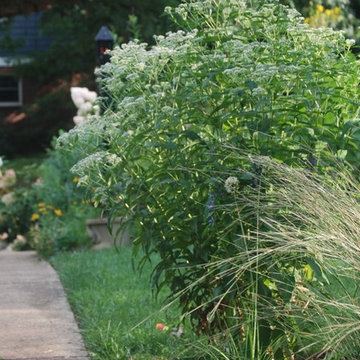
This is an example of a mid-sized traditional full sun front yard mulch landscaping in DC Metro for summer.

 Mariani Landscape
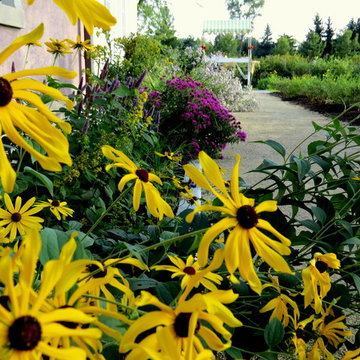
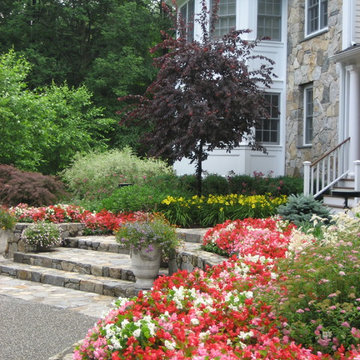
Designed by John Mariani, this formal garden uses native plants for a traditional design with an exceptional environmental twist. Taking advantage of the many benefits of native materials, like less maintenance, watering, fertilizing; a naturally acclimation to the environment; and generation of a habitat for wildlife that adds life to the space, the many plants chosen each fulfill a different need- height, color, and texture. The layout of the plants in a formal manner makes for a decorative display.
Photo Credit: Ed Caplan of DOF Images

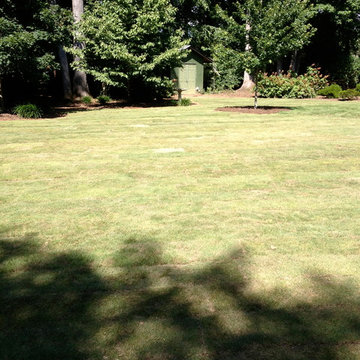

 Westland Design
Moss Garden: A Living Carpet of Tranquility
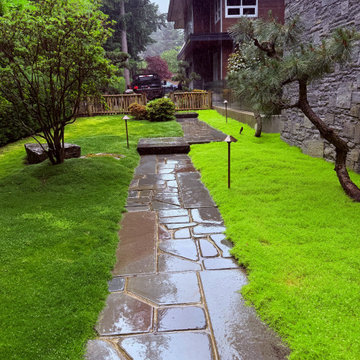
A moss garden is a serene, low-maintenance landscape feature that evokes a profound sense of calm and natural beauty. Composed of vibrant, velvety mosses that thrive in shaded, humid environments, these gardens offer a soft, carpet-like groundcover that replaces traditional lawns or gravel with rich, green texture.
At Westland Design, our moss gardens are thoughtfully integrated into the overall landscape to enhance a feeling of timelessness and stillness. Whether nestled beneath the canopy of trees, edging a stone pathway, or surrounding a tranquil water feature, moss brings subtle movement and color to quiet corners of the garden.
Key qualities of a moss garden include:
Evergreen softness: Moss provides lush, year-round greenery that requires no mowing or fertilizing.
Quiet beauty: It absorbs sound, contributing to a peaceful, contemplative environment.
Natural elegance: Ideal for Japanese-style gardens or woodland settings, moss complements stone, water, and wood elements with organic harmony.
A moss garden is more than a design choice—it’s an invitation to slow down, observe closely, and appreciate nature’s quiet elegance.
 Westland Design
Moss Garden: A Living Carpet of Tranquility
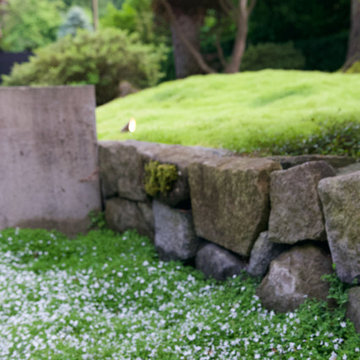
A moss garden is a serene, low-maintenance landscape feature that evokes a profound sense of calm and natural beauty. Composed of vibrant, velvety mosses that thrive in shaded, humid environments, these gardens offer a soft, carpet-like groundcover that replaces traditional lawns or gravel with rich, green texture.
At Westland Design, our moss gardens are thoughtfully integrated into the overall landscape to enhance a feeling of timelessness and stillness. Whether nestled beneath the canopy of trees, edging a stone pathway, or surrounding a tranquil water feature, moss brings subtle movement and color to quiet corners of the garden.
Key qualities of a moss garden include:
Evergreen softness: Moss provides lush, year-round greenery that requires no mowing or fertilizing.
Quiet beauty: It absorbs sound, contributing to a peaceful, contemplative environment.
Natural elegance: Ideal for Japanese-style gardens or woodland settings, moss complements stone, water, and wood elements with organic harmony.
A moss garden is more than a design choice—it’s an invitation to slow down, observe closely, and appreciate nature’s quiet elegance.
 Poetically Featured Properties
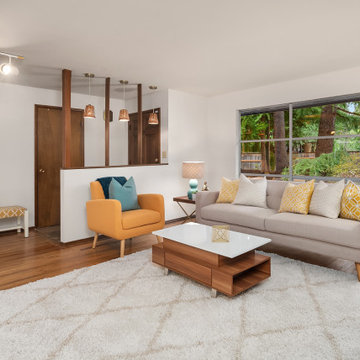
Influence of modernism design mixed with graphic and chunky strong statements is how we would describe Mid Century Modern Furniture. The style has not passed the saturation point and it blends seamlessly with so many other periods and styles. Mid Century is about more than the individual furniture pieces. We think of that era of manufacturing as particularly fertile and creative in terms of the materials used, like plastics, fiberglass, wood, metal, etc. You will find designs where form follows function. There is a vast range of color, from neutral to bold, including black and white.
 Southern Living Plant Collection
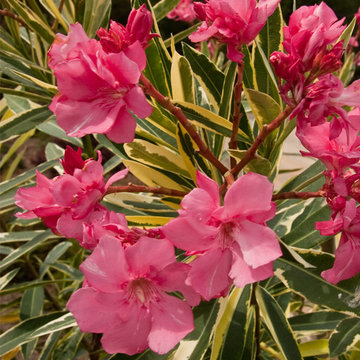
This flashy variegated Oleander is perfect for almost any location. Its deep pink blooms and creamy white variegated foliage plus its resistance to drought, heat and salt make it the perfect accent for a more aggressive climate.
FEATURES
Bloom/Feature Variegated foliage accentuating vivid pink blooms
Plant Type Shrubs
Evergreen or Deciduous Evergreen
USDA Zones 8,9,10
Zone Detail Hardy 10-15°F
Key Features Heat tolerance, drought tolerance, water-wise, year-round interest, salt tolerant
Use Accent, container, mass planting, slope, hedge
Exposure Full sun
Bloom Season Summer
Dimension 6-8'H x 6-8'W
Growth Rate Moderate to fast
CARE
Water Water as needed
Soil Type Any
Fertilizer Early spring
Pruning Shape before growth begins in spring
PLANTING INSTRUCTIONS
water before planting
plant in full sun
dig hole 3X the width of pot,
backfill and plant 1”-2” above soil level
water and add more soil if needed
mulch plants
 FormLA Landscaping
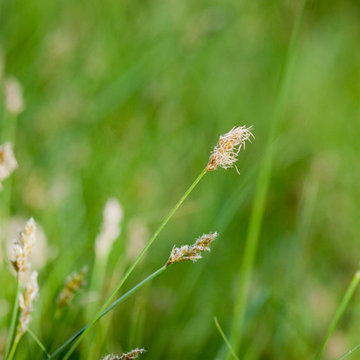
Visitors couldn't resist the IdealMow meadow of Carex pansa! Luckily, this Californa native grass can manage relatively heavy foot traffic and needs only 25-50 percent of the water needed by a traditional lawn. It maintains its green through high-heat and needs no chemical fertilizers of pesticides to thrive in Los Angeles. Photo: Lesly Hall Photography
 Native Plant Landscape Design Corp
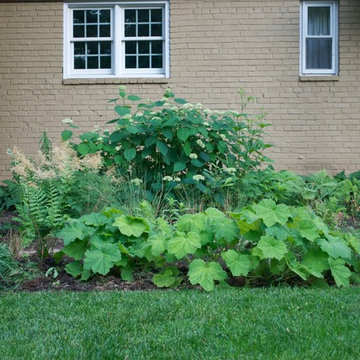
Inspiration for a mid-sized traditional full sun front yard mulch landscaping in DC Metro for summer.
 New Energy Works Timberframers
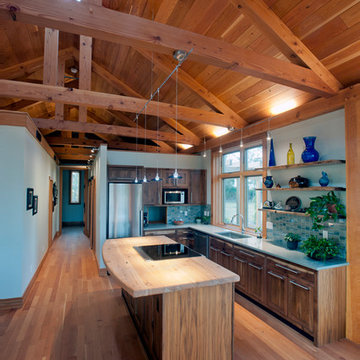
 Phil and Rocio, little did you know how perfect your timing was when you came to us and asked for a “small but perfect home”. Fertile ground indeed as we thought about working on something like a precious gem, or what we’re calling a NEW Jewel.
So many of our clients now are building smaller homes because they simply don’t need a bigger one. Seems smart for many reasons: less vacuuming, less heating and cooling, less taxes. And for many, less strain on the finances as we get to the point where retirement shines bright and hopeful.
For the jewel of a home we wanted to start with 1,000 square feet. Enough room for a pleasant common area, a couple of away rooms for bed and work, a couple of bathrooms and yes to a mudroom and pantry. (For Phil and Rocio’s, we ended up with 1,140 square feet.)
The Jewel would not compromise on design intent, envelope or craft intensity. This is the big benefit of the smaller footprint, of course. By using a pure and simple form for the house volume, a true jewel would have enough money in the budget for the highest quality materials, net-zero levels of insulation, triple pane windows, and a high-efficiency heat pump. Additionally, the doors would be handcrafted, the cabinets solid wood, the finishes exquisite, and craftsmanship shudderingly excellent.
Our many thanks to Phil and Rocio for including us in their dream home project. It is truly a Jewel!
From the homeowners (read their full note here):
“It is quite difficult to express the deep sense of gratitude we feel towards everyone that contributed to the Jewel…many of which I don’t have the ability to send this to, or even be able to name. The artistic, creative flair combined with real-life practicality is a major component of our place we will love for many years to come.
Please pass on our thanks to everyone that was involved. We look forward to visits from any and all as time goes by."
–Phil and Rocio
Read more about the first steps for this Jewel on our blog.
Reclaimed Wood, Kitchen Cabinetry, Bedroom Door: Pioneer Millworks
Entry door: NEWwoodworks
Professional Photos: Loren Nelson Photography
 New Energy Works Timberframers
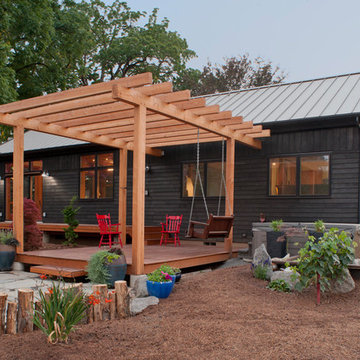
 Phil and Rocio, little did you know how perfect your timing was when you came to us and asked for a “small but perfect home”. Fertile ground indeed as we thought about working on something like a precious gem, or what we’re calling a NEW Jewel.
So many of our clients now are building smaller homes because they simply don’t need a bigger one. Seems smart for many reasons: less vacuuming, less heating and cooling, less taxes. And for many, less strain on the finances as we get to the point where retirement shines bright and hopeful.
For the jewel of a home we wanted to start with 1,000 square feet. Enough room for a pleasant common area, a couple of away rooms for bed and work, a couple of bathrooms and yes to a mudroom and pantry. (For Phil and Rocio’s, we ended up with 1,140 square feet.)
The Jewel would not compromise on design intent, envelope or craft intensity. This is the big benefit of the smaller footprint, of course. By using a pure and simple form for the house volume, a true jewel would have enough money in the budget for the highest quality materials, net-zero levels of insulation, triple pane windows, and a high-efficiency heat pump. Additionally, the doors would be handcrafted, the cabinets solid wood, the finishes exquisite, and craftsmanship shudderingly excellent.
Our many thanks to Phil and Rocio for including us in their dream home project. It is truly a Jewel!
From the homeowners (read their full note here):
“It is quite difficult to express the deep sense of gratitude we feel towards everyone that contributed to the Jewel…many of which I don’t have the ability to send this to, or even be able to name. The artistic, creative flair combined with real-life practicality is a major component of our place we will love for many years to come.
Please pass on our thanks to everyone that was involved. We look forward to visits from any and all as time goes by."
–Phil and Rocio
Read more about the first steps for this Jewel on our blog.
Reclaimed Wood, Kitchen Cabinetry, Bedroom Door: Pioneer Millworks
Entry door: NEWwoodworks
Professional Photos: Loren Nelson Photography
 Native Plant Landscape Design Corp
This is an example of a mid-sized traditional full sun front yard mulch landscaping in DC Metro for summer.
39