
Search results for "Fertile" in Home Design Ideas
 Deck and Patio Company "Outdoor Living Experts"
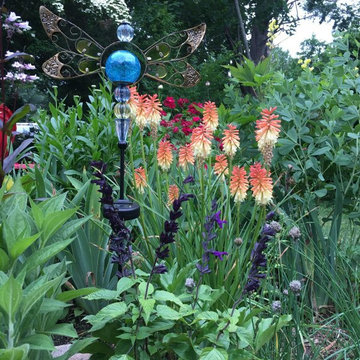
Kniphofia (Red Hot Poker):
This frequently bi-colored flower makes a dramatic statement in the garden and is an ideal plant for those who are new to gardening. In fact, this plant is so easy to grow it has been described as “tough to kill.” It is fairly drought-resistant, plus hummingbirds and butterflies love it. It is best planted in early spring or late fall.
When in bloom, the blossoms appear a bit like a hot poker or torch and for those feeling a bit of sadness saying good-bye to some of their lawn, note that these plants boast very “grass-like” leaves. This photo is of Vultaggio’s own garden and is courtesy of Sandra Vultaggio.
(Note: the dramatic dark blue/black flowers in the foreground are Salvia ‘Black and Blue’ which bloom from late spring to early autumn.)
So here's to millennials and their commitment to sustainability. If you have any questions on this topic, feel free to contact our office for more ideas.
Monarda (Bee Balm)
1. Native to North America, this beautiful flowering plant is from the mint family. It’s easy to grow, is deer resistant, and attracts pollinators like butterflies, hummingbirds, and bees.
It’s tubular flowers come in a variety of colors (pink, white, violet, red) and bloom in high summer through early fall. Bee Balm takes to full sun or light shade, and prefers a well-drained fertile soil. It needs some protection from excess moisture in winter.
 Arborvine Landscaping, LLC
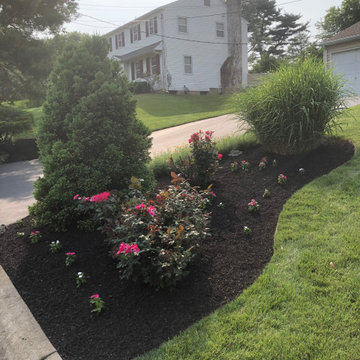
All weeds were removed and beds were edged. Landscape beds were cleaned up and prepped. Plants were fertilized and pruned as needed. Annual flowers were installed across the landscape and 6 yards of premium brown dyed mulch was installed to enhance the landscape!
Find the right local pro for your project
 Springer Environmental Services
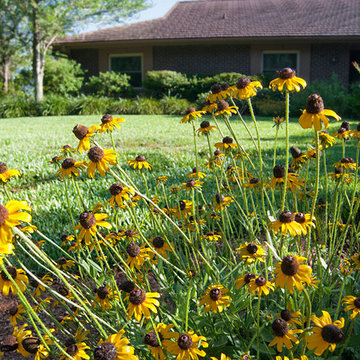
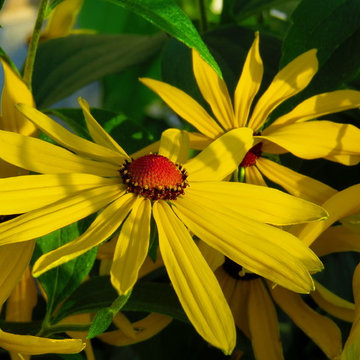
Native black-eyed susans brighten a sunny corner near the mailbox. By using native plants, which are naturally suited to the soil, climate, and conditions of an area you can have a flourishing garden that uses no fertilizers and requires no chemical treatment to be healthy.
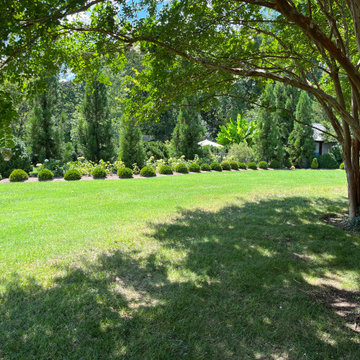

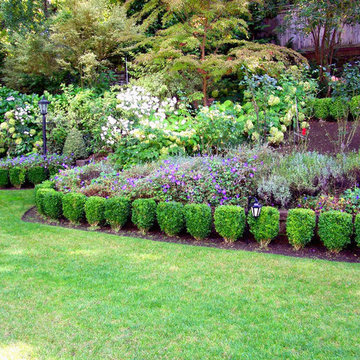

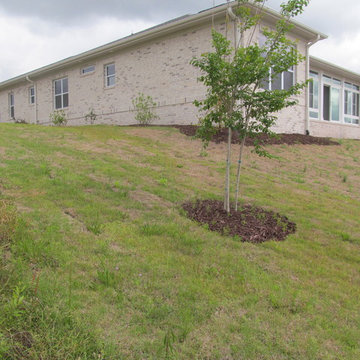
 Outdoor Creations Landscape & Design Inc.
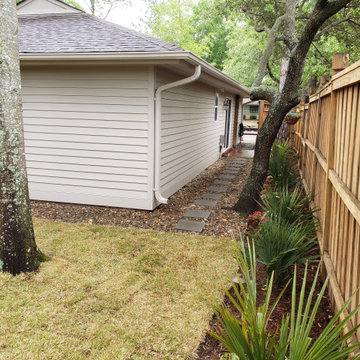
Initial consult: Dormant New Sod that was installed by the builder in 2016/Dead and damaged. Extremely overloaded with late cool season weeds and transitional warm season weed growth.
Extracted soil for soil testing to determine what we'd be working with structure wise and best management practices going forward for the client.
 User
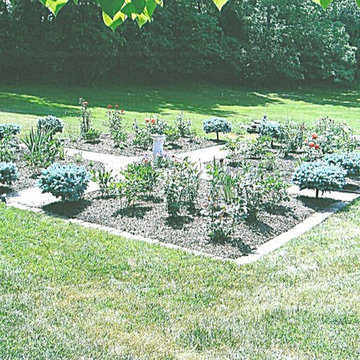
UserClient requested that I plan a formal rose garden. Soil needed a great deal of sand, fresh soil, and fertilizers. Irrigation needed to be installed as a drip line for all roses, so the measurements had to be exact. Once the total for all boxwoods as hedge were calculated, client decided not to install that portion.
 Outdoor Creations Landscape & Design Inc.
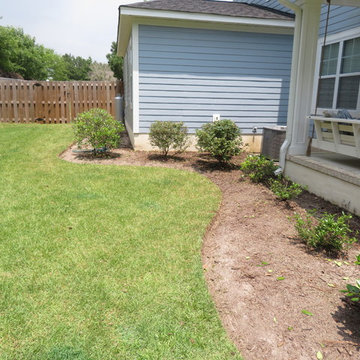
Restoration of existing foundation beds with regards to plant care/pruning and re-mulching of beds.
 Ultra Lawn Services Llc
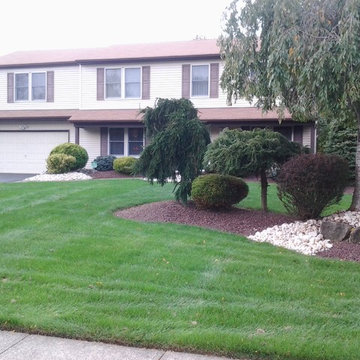
One of our residential lawns
Example of a mid-sized classic home design design in New York
Example of a mid-sized classic home design design in New York
 Western Outdoor Designs
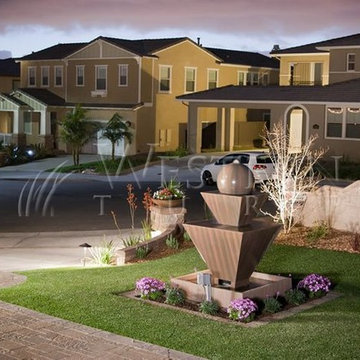
Real grass is costly to keep looking beautiful. It requires water, maintenance, fertilizer-and even when you try your hardest, sometimes your best just isn’t good enough and you are left with an ugly, patchy lawn despite your best efforts. Synthetic turf allows homeowners to have green, flawless grass 365 days a year. In the driest heat of summer and in the wettest months of winter your backyard will be graced with the same green, natural-looking grass, and you will never be plagued by weeds, mud or lawnmowers ever again!

 Mariani Landscape
Designed by John Mariani, this formal garden uses native plants for a traditional design with an exceptional environmental twist. Taking advantage of the many benefits of native materials, like less maintenance, watering, fertilizing; a naturally acclimation to the environment; and generation of a habitat for wildlife that adds life to the space, the many plants chosen each fulfill a different need- height, color, and texture. The layout of the plants in a formal manner makes for a decorative display.
Photo Credit: Ed Caplan of DOF Images
 Outdoor Creations Landscape & Design Inc.
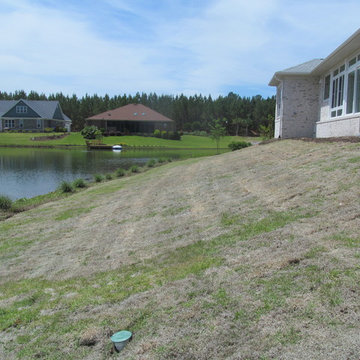
 Eradication of both cool season and warm season transitional weeds thru selective treatment. as it was at poor dormant stasis with the time of year be it mid May and should have been in mid activity, we amended soils both tending to its structure foundation and also tending to the turf types needs at one time the week prior, then properly mowed and cleaned up the turf areas.
 Outdoor Creations Landscape & Design Inc.
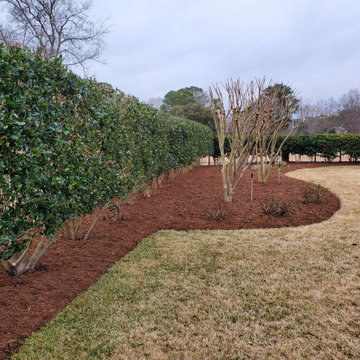
After: Redefine beds, clean out weeds, prune and fertilize then added mulch.
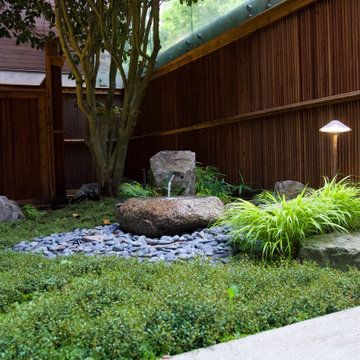
 Westland Design
Moss Garden: A Living Carpet of Tranquility
A moss garden is a serene, low-maintenance landscape feature that evokes a profound sense of calm and natural beauty. Composed of vibrant, velvety mosses that thrive in shaded, humid environments, these gardens offer a soft, carpet-like groundcover that replaces traditional lawns or gravel with rich, green texture.
At Westland Design, our moss gardens are thoughtfully integrated into the overall landscape to enhance a feeling of timelessness and stillness. Whether nestled beneath the canopy of trees, edging a stone pathway, or surrounding a tranquil water feature, moss brings subtle movement and color to quiet corners of the garden.
Key qualities of a moss garden include:
Evergreen softness: Moss provides lush, year-round greenery that requires no mowing or fertilizing.
Quiet beauty: It absorbs sound, contributing to a peaceful, contemplative environment.
Natural elegance: Ideal for Japanese-style gardens or woodland settings, moss complements stone, water, and wood elements with organic harmony.
A moss garden is more than a design choice—it’s an invitation to slow down, observe closely, and appreciate nature’s quiet elegance.
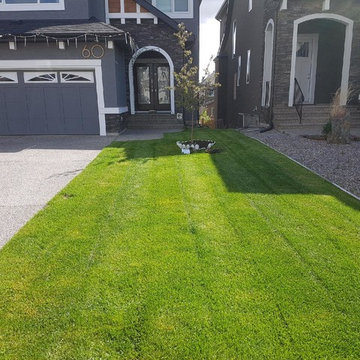
 LandSharx Yard Maintenance & Snow Management
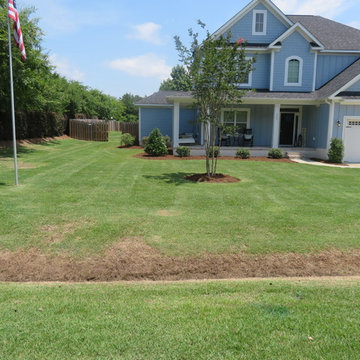
Front Yard at our client's site after our crew has finished the cut and post service cleanup.
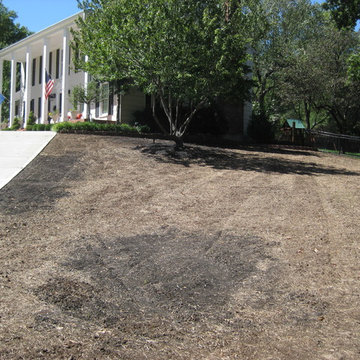
 Heritage Lawns & Irrigation
After Heritage Lawns killed out this Kansas City lawn to get rid of both undesirable grasses and weeds, it was aerated verticut in 2 directions and seeded. This photo was taken after we applied starter fertilizer 3 weeks after the lawn kill out.
Photos by Heritage Lawns & Irrigation

35