
Search results for "Fertility" in Home Design Ideas
 FormLA Landscaping
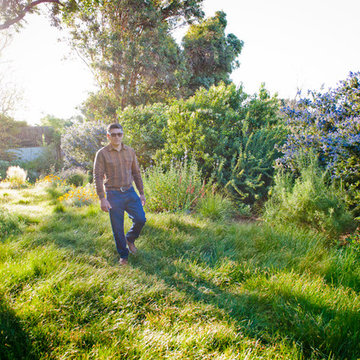
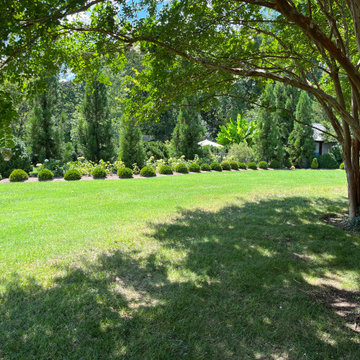
A wide variety of blooming and berrying native hedge plants line the back fence. In the spring, birds attracted to the nectar sing for the supper. In the fall, they sing for seeds and berries. The meadow stays lush year round without fertilizer and uses about 50 percent of the water needed by turf grass.
 Arborvine Landscaping, LLC
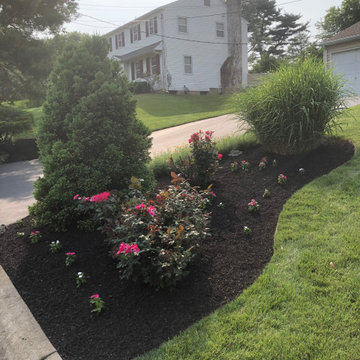
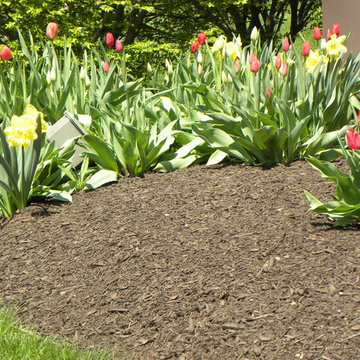
All weeds were removed and beds were edged. Landscape beds were cleaned up and prepped. Plants were fertilized and pruned as needed. Annual flowers were installed across the landscape and 6 yards of premium brown dyed mulch was installed to enhance the landscape!

Find the right local pro for your project
 Bullington Land Management Corp.
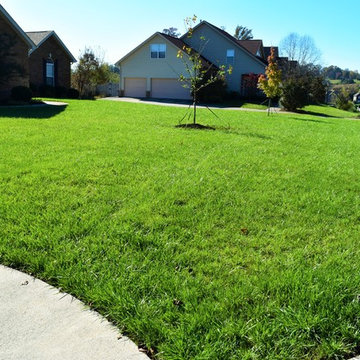
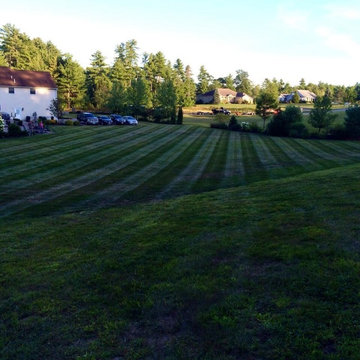
We get a lot of questions about what's involved with growing grass, about how to fix bare spots in lawns and about when is the best time to plant grass. When you get right down to it, growing grass is really simple if you follow a few basic rules. Use high quality grass seed and make sure the grass seeds gets worked into the soil, use the right type of slow release fertilizer, give the seed something nutritious to grow in (like the compost/topsoil mixture pictured below) and provide ample amounts of water and sun... okay, you're really only responsible for the water, not so much the sun. If you do all of these things you can really grow grass just about anywhere.
On the other hand, if you would rather spend your Saturdays doing more enjoying of your lawn rather than working on your lawn, give us a call or send us a message and let us take care of repairing the problem areas in your lawn for you.

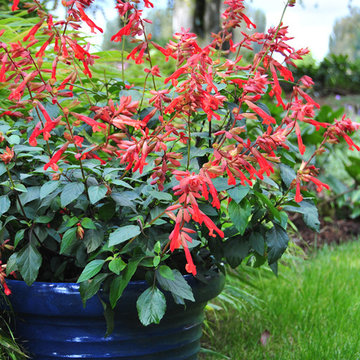
 Southern Living Plant Collection
Glowing coral flowers cover these tough plants from early spring to frost. Her blooms won’t fade in the heat, forming a ball of color in your yard, with no pruning or deadheading. A portion of plant proceeds go to Make-A-Wish® AU.
FEATURES
Bloom/Feature Bright coral flowers bloom year-round in frost-free climates, or until frost
Plant Type Perennials
Evergreen or Deciduous Herbaceous
USDA Zones 9b, 10
Zone Detail Hardy to 25°F USDA zones 9b-10
Key Features Blooms won't fade in the heat; forming a ball of color with no pruning or deadheading
Use Perennial, Borders, Garden Beds, Containers
Exposure Full sun to part shade
Bloom Season Year-round until frost
Dimension 3-4’ H x 3' W
Growth Rate Fast in spring and summer
CARE
Water Moderate to regular water
Soil Type Well-drained garden soil
Fertilizer Apply a balanced slow release each spring
Pruning Cut back to 3" in early spring to maintain shape
PLANTING INSTRUCTIONS
• water before planting
• plant in full sun to part shade
• dig hole 2X the width of pot,
• backfill and plant 1”-2” above soil level
• water and add more soil if needed
• mulch around plants
 Verne Pershing, The Art of Gardening
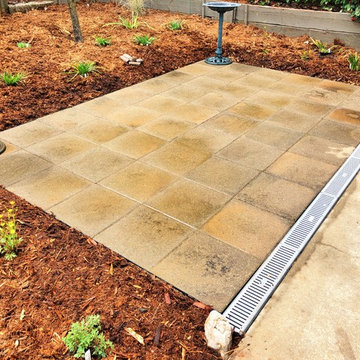
This small back yard in Placerville, CA was covered with bark for years. The soil was hard and compacted, so we amended it with lots of organic compost and organic starter fertilizer. The old drainage was filled with mud and ineffective, so we created a dry creek bed which took advantage of the existing outlet to the street. California Native Plants were planted to create a drought tolerant, low maintenance garden which delighted the client.
 Smith Brothers Lawn & Tree
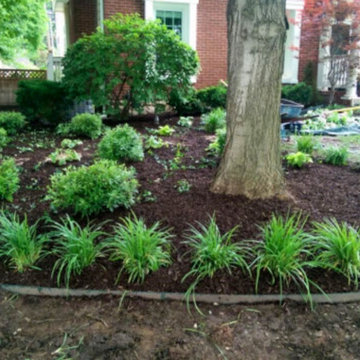
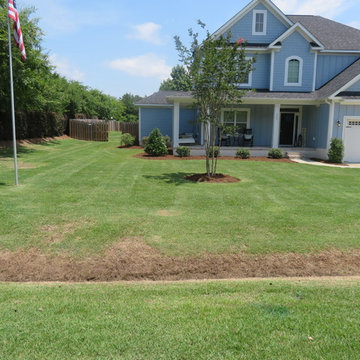
A front yard plant bed including a unique shaped boulder we installed for a client
This is an example of a traditional landscaping in Kansas City.
This is an example of a traditional landscaping in Kansas City.

 Native Plant Landscape Design Corp
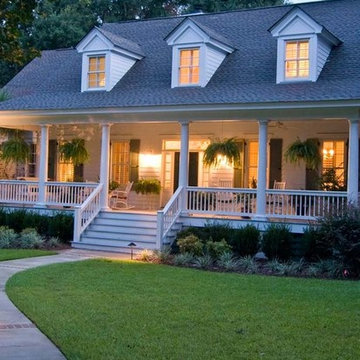
Inspiration for a mid-sized traditional full sun front yard mulch landscaping in DC Metro for summer.


 Christy Webber Landscapes
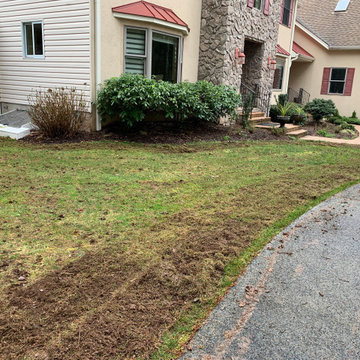
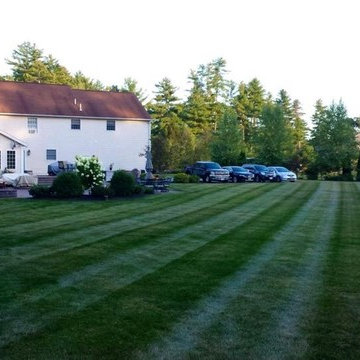
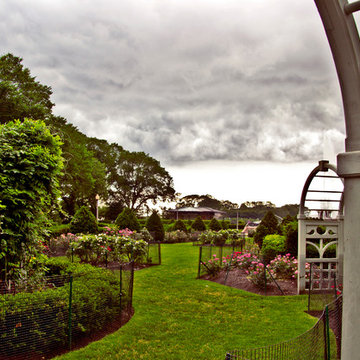
Christy Webber Landscapes maintains the shrub beds and the stunning rose garden in Chicago’s Grant Park. We also fertilize all the trees and provide an organic turf program for all areas. Routinely restore the turf after concerts and sporting events to ensure the grounds look good for all seasons. Grant Park has a variety of events on any day of the week, as well as large festivals like Lollapalooza and The Taste of Chicago so keeping the park fresh and tidy is a constant challenge.


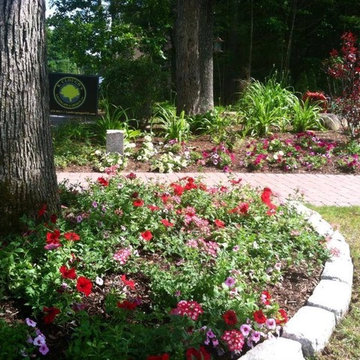
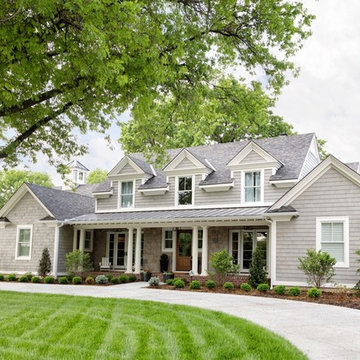 Smith Brothers Lawn & Tree
photo credit: Koenig Building + Restoration
Design ideas for a large traditional full sun front yard formal garden in Kansas City.
Design ideas for a large traditional full sun front yard formal garden in Kansas City.
 Deck and Patio Company "Outdoor Living Experts"
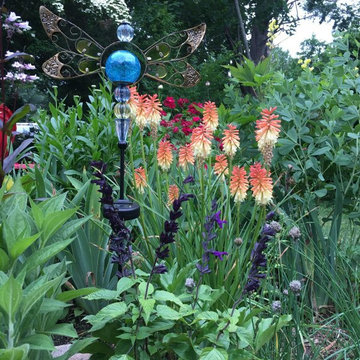
Kniphofia (Red Hot Poker):
This frequently bi-colored flower makes a dramatic statement in the garden and is an ideal plant for those who are new to gardening. In fact, this plant is so easy to grow it has been described as “tough to kill.” It is fairly drought-resistant, plus hummingbirds and butterflies love it. It is best planted in early spring or late fall.
When in bloom, the blossoms appear a bit like a hot poker or torch and for those feeling a bit of sadness saying good-bye to some of their lawn, note that these plants boast very “grass-like” leaves. This photo is of Vultaggio’s own garden and is courtesy of Sandra Vultaggio.
(Note: the dramatic dark blue/black flowers in the foreground are Salvia ‘Black and Blue’ which bloom from late spring to early autumn.)
So here's to millennials and their commitment to sustainability. If you have any questions on this topic, feel free to contact our office for more ideas.
Monarda (Bee Balm)
1. Native to North America, this beautiful flowering plant is from the mint family. It’s easy to grow, is deer resistant, and attracts pollinators like butterflies, hummingbirds, and bees.
It’s tubular flowers come in a variety of colors (pink, white, violet, red) and bloom in high summer through early fall. Bee Balm takes to full sun or light shade, and prefers a well-drained fertile soil. It needs some protection from excess moisture in winter.
 User
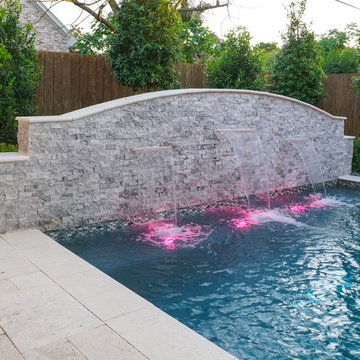
UserWe designed a sleek, rectangular pool with sheer descent waterfall features gracing one end and a large tanning deck on the other for a family with limited yard space. We were also able to include an area for dining, a pergola to provide relief from the sun and an outdoor kitchen nestled between the main house and the addition. Clean, symmetrical landscaping added the finishing touch.
59