
Search results for "Fertility" in Home Design Ideas
 Q and L Pest Management
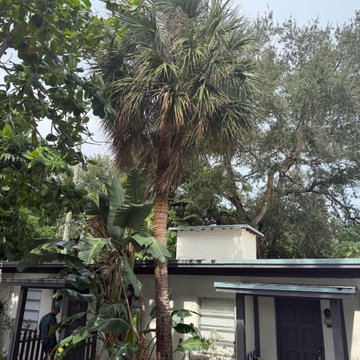
Untrimmed sabal palms—often called swamp cabbage in Florida—can become nesting spots for rats when they grow right next to a building. Dead fronds and branches that touch the roof give rodents an easy path inside.
Q and L Pest Management does not trim palms or remove trees (we do no landscaping or tree work). For Lake Worth area homeowners and property managers, the practical prevention tip is: keep sabal palms trimmed at minimum when they sit near the structure, and consider removal if the budget allows. That yard work belongs to you or your landscaper; our role is pest control.
If you want a closer look at rodent risk around your building, ask about our complimentary rodent inspection. Q and L Pest Management is a veteran-owned, family-owned, licensed and insured company serving Palm Beach County and Broward with general pest control plus lawn and ornamental pest control and fertilization (same for trees).


 Southern Living Plant Collection
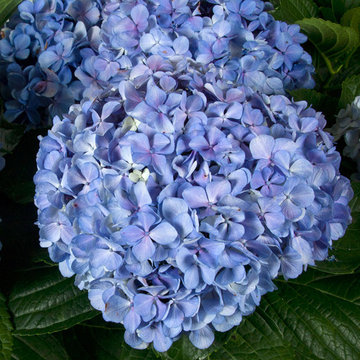
Pink in alkaline soils and blue in acidic soils, Big Daddy’s huge blooms are as big as balloons at a child’s birthday party. Perfect for flower arrangements, ‘Big Daddy’ will bloom from early summer through fall
FEATURES
Bloom/Feature 12-14" pink or blue blooms in summer
Plant Type Shrubs
Evergreen or Deciduous Deciduous
USDA Zones 6,7,8,9
Zone Detail Hardy to -10 F
Key Features Fall blooming
Use Accent, hedge, mass planting
Exposure Part sun to shade
Bloom Season Summer, fall
Dimension 5-6' H x 5-6' W
Growth Rate Fast
CARE
Water Water as needed
Soil Type Well-drained garden soil
Fertilizer In spring
Pruning Shape after bloom cycle
PLANTING INSTRUCTIONS
water before planting
plant in shade to part shade
dig hole 3X the width of pot,
backfill and plant 1”-2” above soil level
water and add more soil if needed
mulch plants
Find the right local pro for your project

 Olde Wood Ltd.
During the late 1800s and early 1900s, many farmers who lived in the fertile valleys of Pennsylvania’s Susquehanna River and Allegheny Mountains grew tobacco. Using a mixture of pine species as siding, floor joists and roof rafters, they constructed barns for drying tobacco – a unique process that gave what we call tobacco pine its heavily mixed color and character (without odor).
Tobacco-stained pine hardwood flooring creates a unique, “old pine” appearance with deep, rich shades of brown and red intermingled with the wood’s original honey color. This dark, naturally weathered look will help you add warmth and charm to a more rustic décor.


 TOM WILLIAMSON LANDSCAPING
Beautiful Armonk Home Masonry and Yearly Landscaping and Urn Project.
About us:
Tom Williamson Landscaping, Inc.
Simple. Elegant. Landscaping.
Whether you’re modeling your home into your creative inspiration place, your entertainment haven, or your read-a-book and recharge oasis, a landscaper is the person that you SHOULD pick with your emotions. A robust climbing garden, a mystical natural pathway, or a soothing waterfall-into-the-pool is finished when it feels PERSONAL.
Years of training and horticultural education doesn’t teach how to capture, build and own an emotion — it enhances our natural abilities. When comparing landscaping professionals, a few things need to be considered; do they process the ability to design your vision, the muscle to deliver on the plans, and whether they can provide the WOW factor in which great landscaper recognize as standard. The landscaper that will satisfy every client every time is the one with these characteristics.
Welcome to Tom Williamson Landscaping. We design ‘an experience’ not only through years of engineering our mixtures and techniques, but as understanding and working in symmetrical balance in eye-catching plant bed diversity, refreshing 3-season-blooming wrap gardens, and aged garden large tree installation — to name a few. Enjoyment of your gardens is really what you’re shopping for. Shop our gallery and see if it pushes your enjoyment button.
So, to all garden and home lovers and sharers in this philosophy, we are here, happy to answer questions to provide a reality to your landscaping ideas — Call us today at 914-762-4927 or email.
Services provided are everything great gardening:
Landscaping and Masonry; Bushes, Plantings, Trees, Seasonal plantings, Urns, Pruning, Fertilization, Lawn care & Maintenance, Mulching, Installation of Large Trees, Holiday Trimming, Snowplowing to keep your home enjoyable even in the winter. Landscape Design and construction
Areas cover:
10504, 10506, 10510, 10514, 10546, 10549, 10562, 10570, 10510
Servicing Chappaqua, Briarcliff Manor, Ossining, Scarborough, Pleasantville, Armonk, and Mt. Kisco
Chappaqua 10514 Landscaping: http://www.tomwilliamsonlandscaping.com/photos
Scarsdale landscaping: http://www.tomwilliamsonlandscaping.com/photos
Masonry in Chappaqua: http://www.tomwilliamsonlandscaping.com/photos
Masonry in Pleasantville: http://www.tomwilliamsonlandscaping.com/photos
Armonk landscaping specialists: http://www.tomwilliamsonlandscaping.com/photos
Mt. Kisco landscaping specialists: http://www.tomwilliamsonlandscaping.com/photos
Briarcliff Manor 10510 landscaping contractors: http://www.tomwilliamsonlandscaping.com/photos
Braircliff masonry 10510 contractors: http://www.tomwilliamsonlandscaping.com/photos
Armonk Masonry contractors: http://www.tomwilliamsonlandscaping.com/photos
Chappaqua rock wall specialists: http://www.tomwilliamsonlandscaping.com/photos
Ossining landscaping: http://www.tomwilliamsonlandscaping.com/photos
Ossining Masonry: http://www.tomwilliamsonlandscaping.com/photos
Scarborough Landscaper: http://www.tomwilliamsonlandscaping.com/photos
Scarborough Stone Wall and Mason: http://www.tomwilliamsonlandscaping.com/photos
Pleasantville land design and installation of large trees: http://www.tomwilliamsonlandscaping.com/photos
Pleasantville landscaper: http://www.tomwilliamsonlandscaping.com/photos
Mt. Kisco masonry contractors: http://www.tomwilliamsonlandscaping.com/photos
Armonk stone wall, driveway and pathway designer: http://www.tomwilliamsonlandscaping.com/photos
Best Landscaper in Westchester, NY : http://www.tomwilliamsonlandscaping.com/photos
Hottest landscape business in Westchester, NY: http://www.tomwilliamsonlandscaping.com/photos
Houzz.com Keywords:
Westchester landscaper, Best Landscaping, Masonry, Bushes, Plantings, Trees, Seasonal plantings, Urns, Pruning, Fertilization, Lawn care & Maintenance, Mulching, Installation of Large Trees, Holiday Trimming, Snowplowing, Green grass, Mums, Tulip planting, pond creation, pond aeration, Braircliff pool masonry, briarcliff stone wall around pools, Chappaqua masonry, Chappaqua landscaping, braircliff landscaping, Mt. Kisco masonry, Mt. Kisco Best landscaper, Armonk stone wall installation, Armonk Land Designer, Armonk Landscaper, Armonk customized stone driveways, Pleasantville Landscaper, Scarborough Older home landscaper, Scarborough traditional Landscaper, Scarborough landscaping, Ossining Luxury home landscaping, Ossining Masonry work, Ossining customized stone driveways
 Southern Living Plant Collection
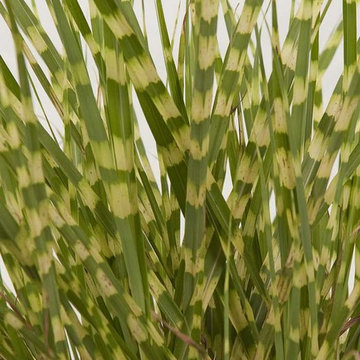
Broad, arching apple green blades are banded with golden yellow bars. In August, feathery gold plumes emerge above six and a half foot stems.
FEATURES
Bloom/Feature Gold plumes in late August
Plant Type Groundcovers/Grasses
Evergreen or Deciduous Evergreen
USDA Zones 5,6,7,8,9
Zone Detail Hardy to -20 F
Key Features Drought tolerance, year-round interest
Use Slope, accent
Exposure Full sun to part shade
Bloom Season Summer
Dimension 4'-6' H x clumping
Growth Rate Fast
CARE
Water Water as needed
Soil Type Well-drained garden soil
Fertilizer Spring
Pruning Cut back in winter
PLANTING INSTRUCTIONS
water before planting
plant in full sun to part shade
dig hole 3X the width of pot,
backfill and plant 1”-2” above soil level
water and add more soil if needed
mulch plants

 Mariani Landscape
Designed by John Mariani, this formal garden uses native plants for a traditional design with an exceptional environmental twist. Taking advantage of the many benefits of native materials, like less maintenance, watering, fertilizing; a naturally acclimation to the environment; and generation of a habitat for wildlife that adds life to the space, the many plants chosen each fulfill a different need- height, color, and texture. The layout of the plants in a formal manner makes for a decorative display.
Photo Credit: Ed Caplan of DOF Images
 Southern Living Plant Collection
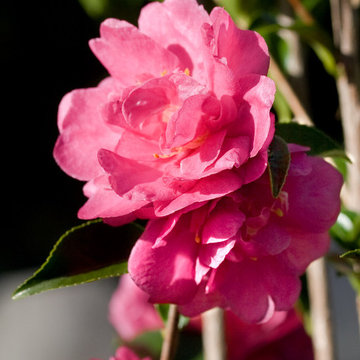
Small very double flowers appear in clusters along stems early in the sasanqua season. Forms a dense, upright, nearly columar shrub.
FEATURES
Bloom/Feature
Plant Type Shrubs
Evergreen or Deciduous Evergreen
USDA Zones 7, 8, 9
Zone Detail Hardy to 5°F USDA zones 7-9
Key Features
Use
Exposure Full sun to part shade
Bloom Season Salmon-rose blooms in the fall
Dimension 6-8' H x 3-4' W
Growth Rate Vigorous
CARE
Water Regular water
Soil Type Rich, acidic, moist, well-drained soil
Fertilizer Early spring
Pruning Shape in early spring
PLANTING INSTRUCTIONS
• water before planting
• plant in full sun to part shade
• dig hole 3X the width of pot
• backfill and plant 1”-2” above soil level
• water and add more soil if needed
• mulch plants

 User
Permaculture Orchard, Natick MA 3-1/2 months old. Complete regenerating ecosystem of food production. Also known as a "food forest" meaning in the example of mother nature there is no tilling, weeding is minimal to none as plantings are intentionally condensed to provide nutrients and weed control to each other. Since the industrial revolution monoculture taught us to grow one massive crop for profit. Mother nature rules as there is minimal maintenance after 5-6 years of establishing the succession plantings. Things take time but with a good investment of your time and effort upfront will give you returns for the lifetime of the site as all perennial fruit,vegetable, and medicinal plants that require no fertilizers or pesticides.
 Southern Living Plant Collection
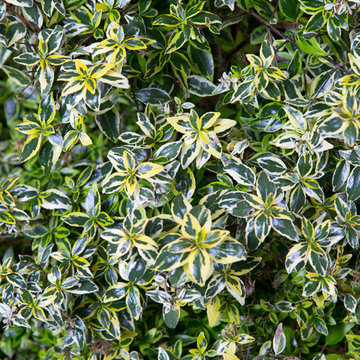
An outstanding abelia with bright variegated foliage that is yellow with green centers when young, maturing to ivory and green. Produces a heavy bloom of light pink flowers for a long period of summer and fall.
FEATURES
Bloom/Feature White to pale pink flowers
Plant Type Shrubs
Evergreen or Deciduous Deciduous
USDA Zones 6,7,8,9
Zone Detail Hardy to -10° F
Key Features Green, gold, & yellow variegated leaves
Use Cottage/informal, beds and borders, low maintenance, containers, wallside and trellises
Exposure Full sun to part shade
Bloom Season Mid-summer to fall
Dimension 3' H x 4' W
Growth Rate Moderate
CARE
Water Regular water
Soil Type Any well-drained soil
Fertilizer As needed
Pruning Prune if desired but not required
PLANTING INSTRUCTIONS
water before planting
plant in full sun to part shade
dig hole 2X the width of pot
backfill and plant 1”-2” above soil level
water and add more soil if needed
mulch plants
 Mariani Landscape
Designed by John Mariani, this formal garden uses native plants for a traditional design with an exceptional environmental twist. Taking advantage of the many benefits of native materials, like less maintenance, watering, fertilizing; a naturally acclimation to the environment; and generation of a habitat for wildlife that adds life to the space, the many plants chosen each fulfill a different need- height, color, and texture. The layout of the plants in a formal manner makes for a decorative display.
Photo Credit: Ed Caplan of DOF Images

 Olde Wood Ltd.
During the late 1800s and early 1900s, many farmers who lived in the fertile valleys of Pennsylvania’s Susquehanna River and Allegheny Mountains grew tobacco. Using a mixture of pine species as siding, floor joists and roof rafters, they constructed barns for drying tobacco – a unique process that gave what we call tobacco pine its heavily mixed color and character (without odor).
Tobacco-stained pine hardwood flooring creates a unique, “old pine” appearance with deep, rich shades of brown and red intermingled with the wood’s original honey color. This dark, naturally weathered look will help you add warmth and charm to a more rustic décor.
 Mariani Landscape
Designed by John Mariani, this formal garden uses native plants for a traditional design with an exceptional environmental twist. Taking advantage of the many benefits of native materials, like less maintenance, watering, fertilizing; a naturally acclimation to the environment; and generation of a habitat for wildlife that adds life to the space, the many plants chosen each fulfill a different need- height, color, and texture. The layout of the plants in a formal manner makes for a decorative display.
Photo Credit: Ed Caplan of DOF Images
 User
Permaculture Orchard, Natick MA 3-1/2 months old. Complete regenerating ecosystem of food production. Also known as a "food forest" meaning in the example of mother nature there is no tilling, weeding is minimal to none as plantings are intentionally condensed to provide nutrients and weed control to each other. Since the industrial revolution monoculture taught us to grow one massive crop for profit. Mother nature rules as there is minimal maintenance after 5-6 years of establishing the succession plantings. Things take time but with a good investment of your time and effort upfront will give you returns for the lifetime of the site as all perennial fruit,vegetable, and medicinal plants that require no fertilizers or pesticides.
 kmjee
Pepper plants are a delightful addition to any garden, offering a vibrant burst of color and spice to your culinary creations. However, even experienced gardeners can encounter challenges when growing pepper plants. In this blog, we'll explore some common issues you might face and provide practical solutions to help your pepper plants thrive.
1. Slow or Stunted Growth
Issue: Slow or stunted growth in pepper plants can be discouraging, but there are specific steps you can take to address this issue effectively.
Solution:
a. Soil Health:
- Well-Draining Soil: Ensure your pepper plants are in well-draining soil to prevent waterlogged roots, which can inhibit growth.
- Organic Matter: Incorporate plenty of organic matter, such as compost or well-rotted manure, into the soil to improve its texture and nutrient content.
- pH Level: Test the soil pH and adjust it to the ideal range between 6.0 and 6.8 using lime or sulfur as needed.
b. Fertilization:
- Balanced Fertilizer: Use a balanced, slow-release fertilizer designed for vegetables to provide essential nutrients steadily throughout the growing season.
- Compost: Amend the soil with compost to enhance nutrient availability and soil structure. This can promote healthier growth.
c. Watering:
- Consistent Moisture: Maintain consistent soil moisture levels by watering your pepper plants regularly but avoid waterlogging. Aim for 1-2 inches of water per week, adjusting based on your local climate and weather conditions.
- Mulching: Apply mulch around the base of the plants to retain soil moisture and regulate temperature.
2. Yellowing Leaves
Issue: Yellowing leaves can be a sign of various underlying problems, but addressing them promptly can restore the vibrancy of your pepper plants.
Solution:
a. Nutrient Deficiencies:
- Balanced Fertilization: Use a well-balanced fertilizer that includes micronutrients to address nutrient deficiencies.
- Specific Nutrients: If you suspect a particular deficiency, such as magnesium, iron, or nitrogen, apply the appropriate nutrient supplement following package instructions.
b. Pest and Disease Control:
- Pest Inspection: Regularly inspect the leaves and stems for common pests like aphids and mites. Remove affected leaves and treat with organic pesticides if necessary.
- Disease Management: Look out for signs of diseases like bacterial leaf spot or fungal issues. Apply organic fungicides or bactericides as recommended.
3. Blossom Drop
Issue: When pepper plants drop their blossoms prematurely, it can hinder fruit development and lead to disappointment.
Solution:
a. Temperature Control:
- Stable Temperatures: Ensure your pepper plants are exposed to consistent temperatures between 70°F and 80°F (21°C to 27°C) during flowering. Avoid sudden temperature fluctuations by providing shelter or using row covers.
b. Pollination:
- Assist with Pollination: If growing peppers indoors or in a greenhouse, help with pollination by gently shaking the plants or using a small brush to transfer pollen between flowers. Outdoor pepper plants are usually pollinated by insects.
4. Wilting Plants
Issue: Wilting or drooping pepper plants can be a sign of various problems, but proper care can revive them.
Solution:
a. Watering:
- Consistent Moisture: Adjust your watering routine to keep the soil consistently moist but not waterlogged. Water early in the day to prevent fungal issues.
- Drainage: Ensure proper soil drainage by amending the soil or using raised beds to prevent waterlogged roots.
b. Pest Control:
- Pest Inspection: Examine the undersides of leaves for signs of pests like aphids, spider mites, or whiteflies. Treat infestations promptly with biological insecticides.
5. Curling Leaves
Issue: Curling or misshapen leaves indicate stress in pepper plants, which can be caused by various factors.
Solution:
a. Environmental Stress:
- Stable Conditions: Ensure your pepper plants are in an environment with stable humidity, temperature, and adequate air circulation. Avoid sudden changes in conditions.
- Proper Ventilation: Adequate air circulation can reduce humidity and prevent fungal issues.
b. Pest and Disease Management:
- Pest Inspection: Regularly inspect your plants for pests and diseases, addressing them promptly with organic remedies as needed.
6. Sunscald
Issue: Sunscald can lead to discolored, leathery patches on pepper fruits when exposed to intense sunlight.
Solution:
a. Shade Cloth:
- Sun Protection: Shield your pepper plants from harsh sunlight during the hottest part of the day using shade cloth or by planting them where they receive some filtered sunlight.
b. Pruning:
- Fruit Shading: Prune excess foliage to allow better fruit shading, reducing the risk of sunscald. Ensure that there's a balance between foliage and fruit.
7. Pepper Plant Pests and Diseases
Issue: Aphids, mites, whiteflies, and various diseases can affect pepper plants, but you can manage them effectively.
Solution:
a. Regular Inspection:
- Vigilant Monitoring: Regularly inspect your pepper plants for signs of pests or diseases, paying close attention to the undersides of leaves and stems.
b. Organic Remedies:
- Pest Control: Use organic remedies like neem oil, insecticidal soap, or diatomaceous earth for pest control.
- Disease Management: Apply organic fungicides or bactericides as recommended to manage diseases like powdery mildew or bacterial spot.
While growing pepper plants can present various challenges, these common issues are manageable with the right knowledge and care. Regular monitoring, proper soil preparation, and timely intervention can help you enjoy a bountiful harvest of vibrant, spicy peppers. Remember that gardening is a learning experience, and each challenge you face is an opportunity to improve your skills and enjoy the rewards of homegrown peppers in your favorite dishes.
 Steve Masley Consulting and Design
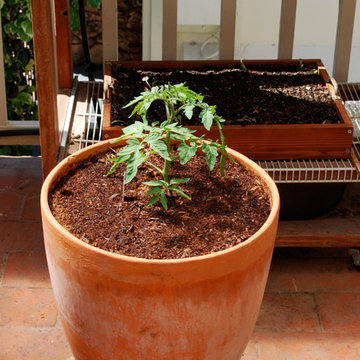
'Carmello' tomato growing in a 15-gallon terra-cotta pot, week 1. Photo by Steve Masley
Example of an eclectic home design design in San Francisco
Example of an eclectic home design design in San Francisco

 McCusker Landscaping
Natural Irregular PA Blue Natural Flagstone Thermal Square Cut Flags
Inspiration for a large traditional full sun backyard stone landscaping in Philadelphia with a fire pit for summer.
Inspiration for a large traditional full sun backyard stone landscaping in Philadelphia with a fire pit for summer.

 Donald Pell - Gardens
From all Lawn to a Garden!
Inspiration for a large traditional partial sun front yard formal garden in Philadelphia.
Inspiration for a large traditional partial sun front yard formal garden in Philadelphia.
60