
Search results for "Fertilizing vegetation" in Home Design Ideas
 Homefront Farmers
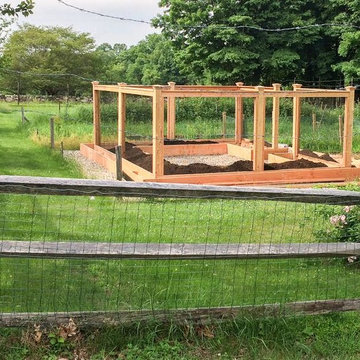
Nothing equals the transparency of having your fruits and vegetables grown in your own yard. While the term “organic” means many different things to many different growers, Homefront Farmers follows a model of practices that promote the health and ecological biodiversity of your garden. We never use chemical fertilizers, pesticides, fungicides, or other synthetic applications.
We think there’s comfort in knowing where and how your food is grown. Do you?
 Homefront Farmers
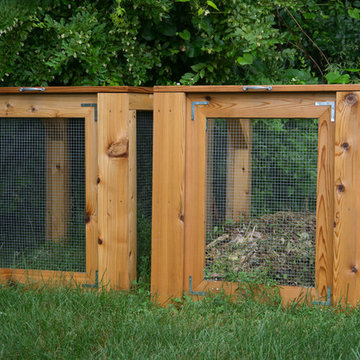
Compost is a natural, long-lasting way to feed your soil, and a wonderfully sustainable way to dispose of kitchen and garden waste. These spacious bins are big enough to fit plenty of vegetable scraps as well as lawn clippings and leaves. Systems are made entirely of rot-resistant cedar and enclosed on all sides with sturdy wire mesh that allows air to flow to and through the compost. Removable front panels and hinged lids make for easy access. Systems are available in triple, double, and single bin configurations. Comes with the classic book about composting Let it Rot!: The Gardener's Guide to Composting by Stu Campbell.
 Eden Condensed
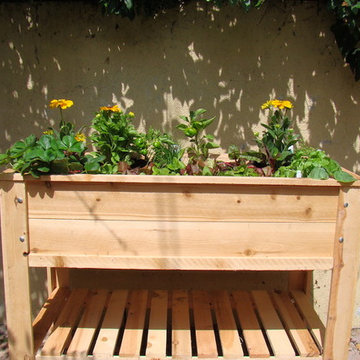
The City Salad Box is an all cedar table style planter. 4' x 2' with drainage holes and a storage shelf. It is perfect for growing vegetables and flowers on a balcony or small patio.
Find the right local pro for your project

 Jay Sifford
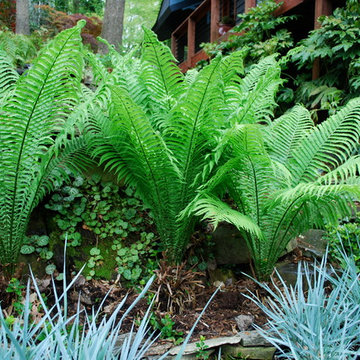
Ostrich fern with blue dune lyme grass. Photo by Jay Sifford.
Photo of an eclectic landscaping in Charlotte.
Photo of an eclectic landscaping in Charlotte.
 Steve Masley Consulting and Design
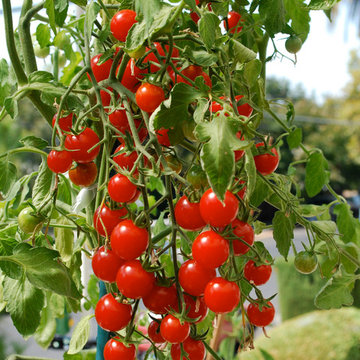
'Sweet 100' cherry tomatoes growing in a 15-gallon terra-cotta pot. Container-grown tomatoes are more susceptible to blossom end rot, but cherry tomatoes like 'Sweet 100', 'Sungold', and 'Black Cherry' rarely have this problem. Photo by Steve Masley
 Holmes Fine Gardens
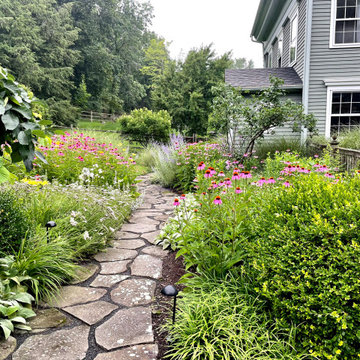
A classic New England antique home elevated by the gardens that surround it. A mix of native plants and easy-care perennials frame every nook and cranny of this stunning property.
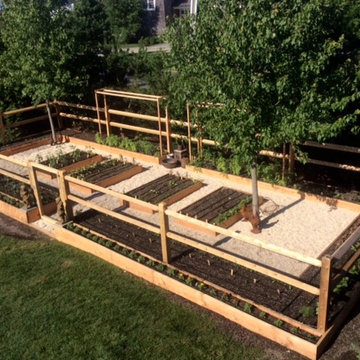 Homefront Farmers
Nothing equals the transparency of having your fruits and vegetables grown in your own yard. While the term “organic” means many different things to many different growers, Homefront Farmers follows a model of practices that promote the health and ecological biodiversity of your garden. We never use chemical fertilizers, pesticides, fungicides, or other synthetic applications.
We think there’s comfort in knowing where and how your food is grown. Do you?
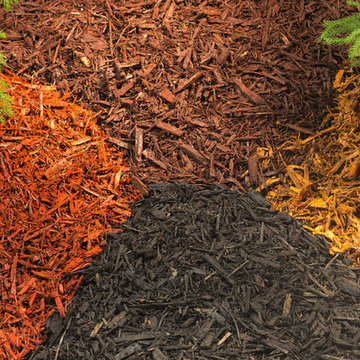
 Modern Landscape Care and Design
MULCH is an optional layer of material applied to the surface of an area of soil mostly around trees, flowers and plants. The purpose of mulch is the following:
- To conserve moisture
- To improve the fertility and health of the soil (for that reason we prefer to use mulch instead of retail fertilizer around flowers and vegetable plants.)
- To reduce weed growth (some weeds could still go through mulch if the weed control fabric has not been placed under the mulch.)
- To increase the visual appeal of the area
 Missouri Botanical Garden
Courtesy Missouri Botanical Garden
Photo credit: Lisa Francis
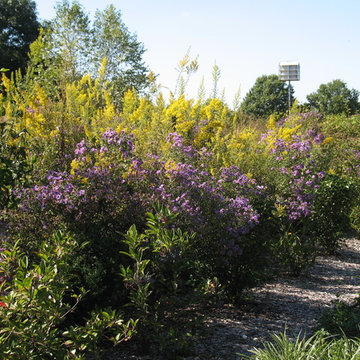
New England aster and Goldenrod
New England aster and Goldenrod
Aster novae-angliae and Solidago speciosa
Kemper - Lopata Prairie Garden
 ELM Garden Design
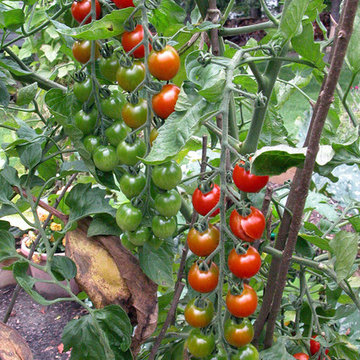
Cherry tomatoes ripe for the picking. photo: Eustacia Marsales
Inspiration for a farmhouse landscaping in New York.
Inspiration for a farmhouse landscaping in New York.
 Borealis Landscape & Design DBA Skipley Farm
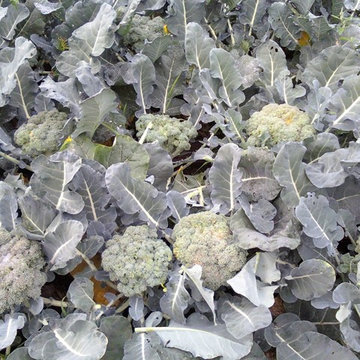
Broccoli. What? This is what it looks like when it grows and yes I would add it to the 'edible landscape'. Easy on fertile soil. the only challenge is it leaves a void when you harvest-thus rotations of other flowers and vegetables throughout the season. Photo by Gil Schieber, Skipley Farm
 Backyard Buildings
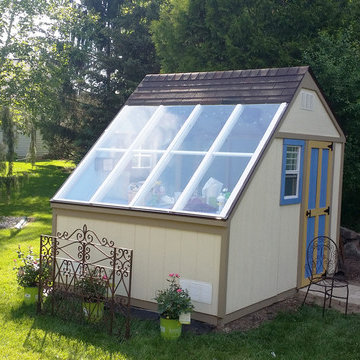
This is an picture of an completed Aurora Potting Shed. Customer painted the shed to suit their taste.
This potting shed is full of value and functionality... The Aurora allows you to store plants, fertilizer, garden tools and lawn mowers all season. Most importantly, the glass roof and optional upgrades make it the perfect environment to grow vegetables all season long. Just imagine the savings you would enjoy from growing your own vegetables all year long and eliminating frequent trips to the grocery store. It might even make it easier for you to follow a healthier lifestyle.
This potting/greenhouse shed features over 509 cubic feet of storage space too, so you store gardening tools & equipment and just about anytihng else.
 User
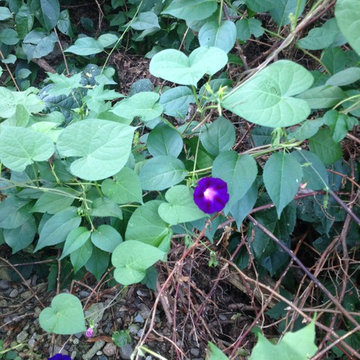
UserPermaculture Orchard, Natick MA 3-1/2 months old. Complete regenerating ecosystem of food production. Also known as a "food forest" meaning in the example of mother nature there is no tilling, weeding is minimal to none as plantings are intentionally condensed to provide nutrients and weed control to each other. Since the industrial revolution monoculture taught us to grow one massive crop for profit. Mother nature rules as there is minimal maintenance after 5-6 years of establishing the succession plantings. Things take time but with a good investment of your time and effort upfront will give you returns for the lifetime of the site as all perennial fruit,vegetable, and medicinal plants that require no fertilizers or pesticides.
 Dear Garden Associates, Inc.
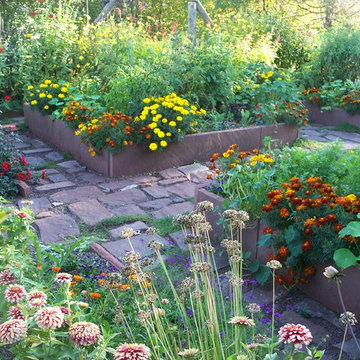
The flowers of some of the annuals are edible as well: the nasturtiums have a peppery flavor, the marigold petals taste citrusy and although best used as a garnish, the purple pansies are edible too.
Pink zinnias and the spent flowers of garlic chives are seen in the foreground…

 FormLA Landscaping
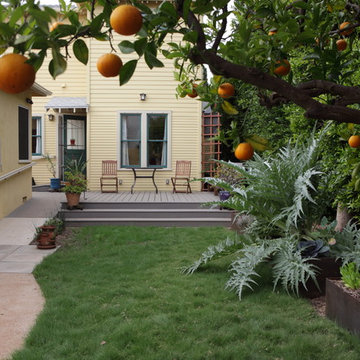
In 2014, visitors on the Santa Monica Conservancy Tour were wowed by the back garden's overflowing vegetable beds. The play-ready IdealMow lawn featured here needs less than 50 percent of the water a traditional lawn needs to thrive. Because it needs no fertilizers or pesticides, it is a smart companion to the edible gardens at its edge - and a great addition to any bee-utiful garden in need of play space.
Photo: Orly Olivier
 Aralia: Innovation in Landscape Design
Aralia Gardens Limited.
www.aralia.org.uk
This is an example of a small contemporary rooftop formal garden in Hertfordshire with decking.
This is an example of a small contemporary rooftop formal garden in Hertfordshire with decking.
 Turf Pro Landscaping to Turf Pro Outdoors
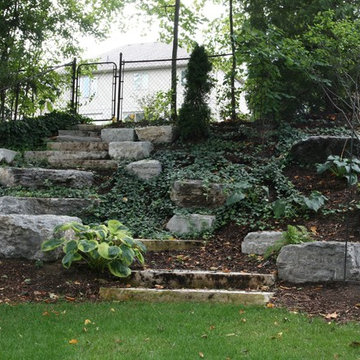
We will create a visually attractive perimeter in areas you thought were not workable. We use rocks, walkways and water features in areas traditionally covered with ground cover vegetation or mulch.
2