
Search results for "Financial management" in Home Design Ideas
 Innovative Wine Cellar Designs
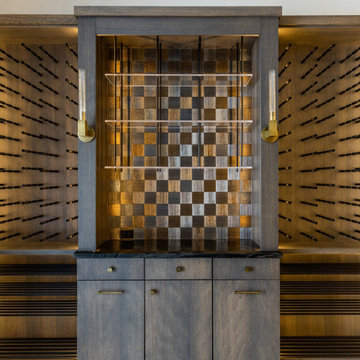
As a wine cellar design build company, we believe in the fundamental principles of architecture, design, and functionality while also recognizing the value of the visual impact and financial investment of a quality wine cellar. By combining our experience and skill with our attention to detail and complete project management, the end result will be a state of the art, custom masterpiece. Our design consultants and sales staff are well versed in every feature that your custom wine cellar will require.

 Blanco Interior Design
In the singular architectural landscape of Dubai, investing in a villa is a pursuit of the extraordinary. Navigating the financial architecture of such an investment is not merely a budgetary exercise, but a masterplan for excellence. At Blanco Interior Design we understand that designing in Dubai means commanding the finest resources of the world, ensuring that every square meter resonates with a level of opulence that seamlessly fuses timeless beauty with rigorous precision.
1. The Scope of Investment (Cost per Square Meter) :
In Dubai's market, professional design services and execution are generally categorized into three tiers. At Blanco, we specialize in the Luxury and Elite segments, ensuring that your investment reflects Design Mastery:
- Premium / Standard: AED 1,500 – AED 3,000 per sqm. This includes high-quality ready-made furniture and standard refined finishes.
- Luxury / High-End: AED 3,500 – AED 6,000 per sqm. This tier involves bespoke joinery, imported marbles, and sophisticated lighting systems—the hallmark of Blanco’s Executive Precision
- Ultra-Luxury (Elite): AED 7,000+ per sqm. This is the realm of limitless design, featuring rare materials, designer brands, and complex structural modifications managed through our Operational Accuracy.
2. Key Cost Drivers: The Blanco Perspective
To budget effectively, homeowners must consider the four pillars that influence the final invoice. At Blanco, we ensure we truly listen to your priorities to optimize these factors:
- Bespoke Joinery and Millwork.
- Material Selection.
- Smart Technology.
-Civil and Structural Works.
3. Professional Design and Management Fees:
Engaging a reputable firm like Blanco involves a structured approach to fees to ensure transparency:
1. Concept and Detailed Design Fee: A fixed fee for the creative vision, 2D layouts, and 3D renderings that bring your dream to life.
2. Supervision and Management Fee: To ensure the execution matches the approved blueprints perfectly, a management fee is applied, covering our rigorous quality control and Operational Accuracy.
Investing in a villa interior with Blanco offers unique advantage. Our position as a global hub provides access to the finest international materials with shorter lead times, managed through our Turnkey Solutions.
Investing in the interior of a Dubai villa is an investment in a lifestyle of distinction. While costs are influenced by the scale of ambition, the true value lies in creating a space that harmonizes unparalleled luxury with long-term functional excellence. With Blanco Interior Design, we turn your financial investment into an architectural legacy.
Blanco Interior Design: Your Vision, Perfectly Executed.
 Florida Green Construction Inc.
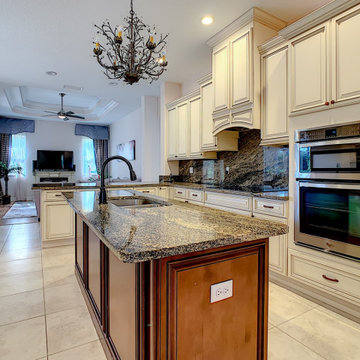
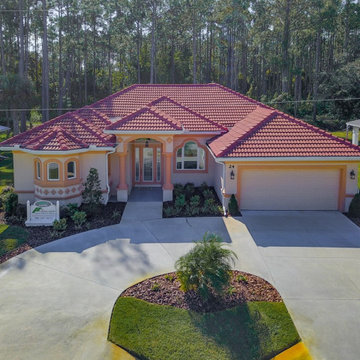
LUXURY BUILDER’S MODEL HOME FOR SALE
Save approx. $30,000 or more over 10 years in this Green home. Plus, continued savings over the lifetime of your home.
GRAND AWARD AND GRAND REALTORS CHOICE AWARD FROM THE PARADE OF HOMES 2017
ESTIMATED HOMEOWNERS’ MONTHLY EXPENSES TO LIVE IN THIS GREEN HOME.
Your monthly utility bills for electricity and water are about $ 150 per month. Homeowners’ insurance about $ 60 per month. Total of all your required payments are approximately $ 210 per month in this home.
You will live without financial problems in this elegant, economical and healthy to live in luxury home, in a certified Green City Palm Coast with a comfortable climate and a clean environment.
If you are not ready to move, we provide full-service property management for you.
Find the right local pro for your project
 Found Spaces Property Management Inc.
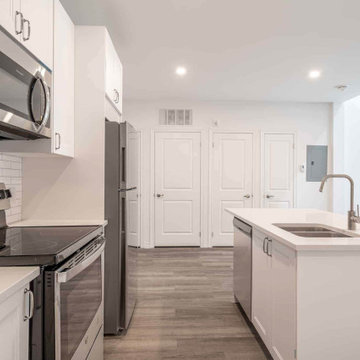
Found Spaces Property Management with headquarters in Hamilton, Ontario specializes in comprehensive full-scale property management solutions . With a focus on maximizing landlord returns while maintaining high standards of care for properties, we offer a range of services tailored to meet the needs of property owners with multiple residential units. Our expertise includes tenant screening, property maintenance, rent collection, and financial reporting, all aimed at enhancing property value and ensuring a smooth operational experience for landlords. Committed to professionalism and excellence, Found Spaces Property Management is your trusted partner in real estate management, striving to grow your investment and meet the evolving demands of the property management industry.
 Found Spaces Property Management Inc.
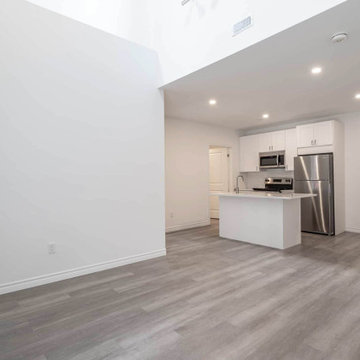
Found Spaces Property Management, based in Hamilton, Ontario, delivers full-scale comprehensive property management solutions. We focus on maximizing returns for landlords while upholding high property care standards. Our services include tenant screening, property maintenance, rent collection, and financial reporting. Dedicated to professionalism and excellence, Found Spaces is your trusted partner in enhancing property value and streamlining management processes for multiple residential units.
 Florida Green Construction Inc.
LUXURY BUILDER’S MODEL HOME FOR SALE
Save approx. $30,000 or more over 10 years in this Green home. Plus, continued savings over the lifetime of your home.
GRAND AWARD AND GRAND REALTORS CHOICE AWARD FROM THE PARADE OF HOMES 2017
ESTIMATED HOMEOWNERS’ MONTHLY EXPENSES TO LIVE IN THIS GREEN HOME.
Your monthly utility bills for electricity and water are about $ 150 per month. Homeowners’ insurance about $ 60 per month. Total of all your required payments are approximately $ 210 per month in this home.
You will live without financial problems in this elegant, economical and healthy to live in luxury home, in a certified Green City Palm Coast with a comfortable climate and a clean environment.
If you are not ready to move, we provide full-service property management for you.
 Homeowner Services of Michigan LLC
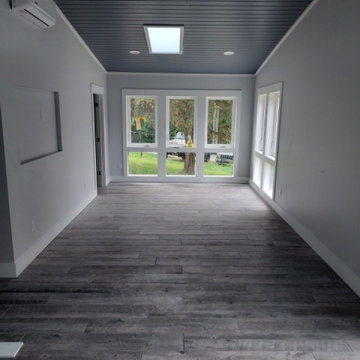
Our clients were expecting their first child and needed to make room. They decided to convert their existing master bedroom into a nursery and create a peaceful retreat for themselves by building an addition off the back of their home. Our journey together began with detailed planning, working closely with the architect to design a master bedroom suite that would offer comfort and functionality. Every aspect, from the room's layout to the bathroom's design, was carefully considered.
Budgeting was the next crucial step. We worked closely with our expectant clients to select high-quality materials while keeping costs within reach, ensuring the project stayed on track financially.
Construction started by preparing the site and laying a solid foundation. The team then moved on to framing the walls and installing plenty of windows to create a private wooded bedroom retreat. We added skylights to the beautiful vaulted ceiling so the couple could lie in bed and view the night sky. Attention to detail was paramount throughout the process.
Finally, the finishing touches brought the vision to life. An en suite, curbless shower, custom interior doors, paint, and luxury vinyl plank flooring were installed precisely as planned.
The new master bedroom suite provided the perfect sanctuary for the growing family.

 Innovative Wine Cellar Designs
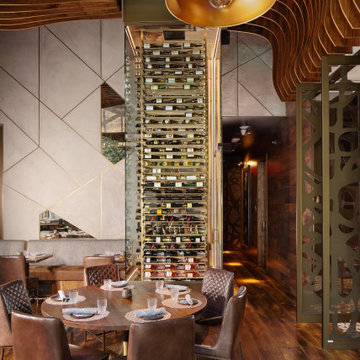
As a wine cellar design build company, we believe in the fundamental principles of architecture, design, and functionality while also recognizing the value of the visual impact and financial investment of a quality wine cellar. By combining our experience and skill with our attention to detail and complete project management, the end result will be a state of the art, custom masterpiece. Our design consultants and sales staff are well versed in every feature that your custom wine cellar will require.
 Betz Pools Limited
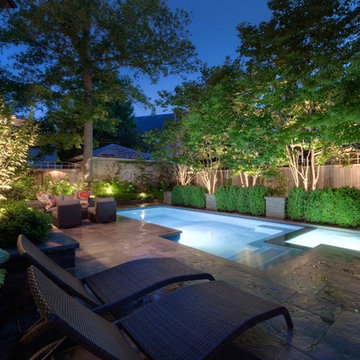
After dark this entire backyard comes to life bathed in the warm glow of the artfully placed array of LED garden lights. The view from the kitchen and family room beckons the family into the backyard to relax and enjoy refreshments in the comfort of the lounge area.
 Florida Green Construction Inc.
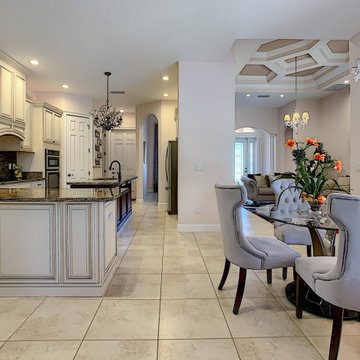
LUXURY BUILDER’S MODEL HOME FOR SALE
Save approx. $30,000 or more over 10 years in this Green home. Plus, continued savings over the lifetime of your home.
GRAND AWARD AND GRAND REALTORS CHOICE AWARD FROM THE PARADE OF HOMES 2017
ESTIMATED HOMEOWNERS’ MONTHLY EXPENSES TO LIVE IN THIS GREEN HOME.
Your monthly utility bills for electricity and water are about $ 150 per month. Homeowners’ insurance about $ 60 per month. Total of all your required payments are approximately $ 210 per month in this home.
You will live without financial problems in this elegant, economical and healthy to live in luxury home, in a certified Green City Palm Coast with a comfortable climate and a clean environment.
If you are not ready to move, we provide full-service property management for you.
 Mayflower Construction Group
How Planning Leads to Successful Construction
Construction projects, whether small residential jobs or large commercial builds, require more than just skilled labor and high-quality materials. The foundation of a successful project lies in effective planning. Proper planning ensures efficiency, minimizes risks, and keeps the project within budget and on schedule. Here’s how thorough planning leads to successful construction:
1. Clear Project Scope and Objectives
Defining the project scope early on helps prevent scope creep and miscommunication. Establishing clear goals, deliverables, and timelines ensures that everyone involved understands the expectations. This prevents delays and unnecessary changes during construction.
2. Accurate Budgeting and Cost Control
A well-planned project includes a detailed cost estimation. This accounts for labor, materials, permits, and unexpected contingencies. Without proper budgeting, costs can spiral out of control, leading to financial strain and potential project failure.
3. Efficient Resource Management
Proper planning helps allocate resources effectively, including manpower, equipment, and materials. Scheduling workers and ordering materials at the right time avoids delays caused by shortages or logistical issues.
4. Risk Identification and Mitigation
Every construction project comes with risks—weather delays, supply chain issues, safety hazards, or regulatory compliance concerns. Planning ahead allows for risk assessment and the implementation of strategies to mitigate potential problems before they occur.
5. Compliance with Regulations and Permits
Failing to secure the necessary permits or adhere to building codes can halt a project indefinitely. Planning ensures that all legal requirements are met in advance, avoiding costly fines and legal complications.
6. Seamless Communication and Coordination
A structured plan includes clear communication protocols between contractors, architects, engineers, and clients. When everyone is on the same page, mistakes are reduced, and the workflow remains smooth.
7. Improved Project Scheduling
A construction schedule outlines each phase of the project, from site preparation to finishing touches. A well-planned schedule helps keep tasks on track, prevents unnecessary delays, and ensures timely project completion.
8. Higher Quality Workmanship
Planning allows for a structured approach to quality control. By setting benchmarks, conducting inspections, and using the right materials, projects meet industry standards and client expectations.
9. Better Client Satisfaction
When a project is completed on time, within budget, and meets quality expectations, client satisfaction increases. A satisfied client is more likely to recommend your services and return for future projects.
Conclusion
In construction, planning isn’t just a step—it’s the backbone of success. From budgeting and resource management to compliance and scheduling, thorough planning prevents costly errors, improves efficiency, and ensures a high-quality outcome. Whether you're working on a small driveway installation or a large-scale commercial project, investing time in planning will always pay off in the long run.
Do you need expert concrete construction services that prioritize planning and quality? Contact us today!
 Florida Green Construction Inc.
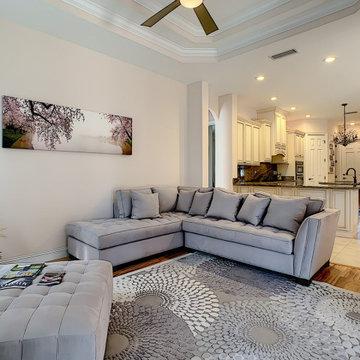
LUXURY BUILDER’S MODEL HOME FOR SALE
Save approx. $30,000 or more over 10 years in this Green home. Plus, continued savings over the lifetime of your home.
GRAND AWARD AND GRAND REALTORS CHOICE AWARD FROM THE PARADE OF HOMES 2017
ESTIMATED HOMEOWNERS’ MONTHLY EXPENSES TO LIVE IN THIS GREEN HOME.
Your monthly utility bills for electricity and water are about $ 150 per month. Homeowners’ insurance about $ 60 per month. Total of all your required payments are approximately $ 210 per month in this home.
You will live without financial problems in this elegant, economical and healthy to live in luxury home, in a certified Green City Palm Coast with a comfortable climate and a clean environment.
If you are not ready to move, we provide full-service property management for you.
 Distinctive Landscaping
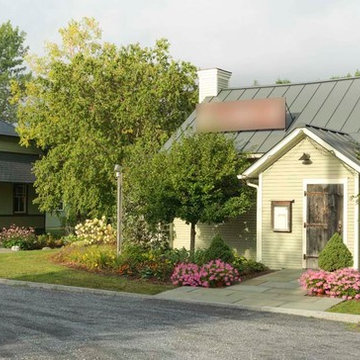
In this project, our clients purchased an existing restaurant fraught with stormwater management issues on the property. Runoff from an adjacent state highway and parking lot regularly flooded the kitchen. Additionally, a man-made pond on the property had become a problematic breeding ground for mosquitos that virtually prohibited outdoor dining during the summer. Both challenges restricted the restaurant from operating at its fullest potential. Our design/build team’s goals were to address the water runoff and mosquito issues using environmentally and financially sustainable practices. Lowering the grades around the building and parking, we were able to direct the runoff into a dry streambed enriched with water-worn cobbles and river stones and planted banks. We addressed the mosquito problem by increasing the pond’s depth, adding an aeration system, and planting the banks with wildflowers. By raising the outdoor dining, guests now overlook the pond and pleasing landscape. Natural breezes at this higher level help alleviate mosquitosl.
 Free Lancing
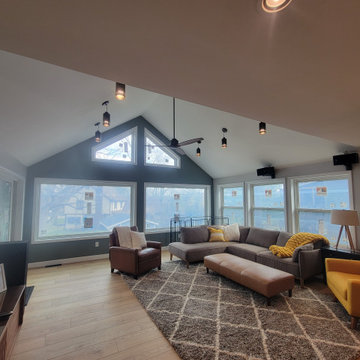
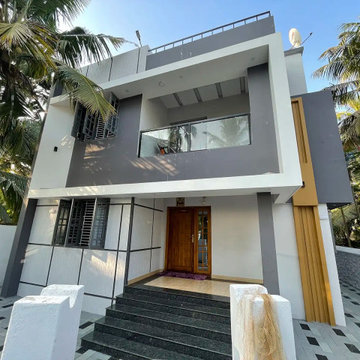
Effective residential construction project management is crucial in today’s fast-moving building industry. It means overseeing every step of building a home, from planning to finishing, to ensure projects are completed time, within budget, and with high quality. Unlike commercial projects, residential projects require special attention to meet homeowners' unique needs and wishes, requiring a customized approach from the beginning to the end.
In 2025, the construction sector will use advanced technologies like AI and integrated project delivery (IPD) to streamline processes and improve stakeholder collaboration. However, project managers face significant challenges, including managing risks, maintaining quality control, and ensuring effective communication among team members.
A WIP Report (Work-in-Progress Report) is a key tool that helps track a project's budget, progress, and resource use. It provides clear insights, making managing costs easier, avoiding delays, and making informed decisions.
By adopting best practices and using modern construction management tools, project managers can overcome these challenges and deliver successful residential construction projects that meet client expectations and contribute to a sustainable future.
This article provides a brief overview of residential construction project management, highlights its importance, and touches on the challenges faced by project managers while incorporating the latest trends and technologies in the field.
Types of Residential Construction Management
Here are the different types of Residential Construction Management:
Single-Family Homes: These are standalone houses built for individual families. Managing these projects involves overseeing construction from planning to completion, ensuring that the home meets the owner's preferences and budget.
Multi-Family Housing: This includes apartments, condominiums, and townhouses. Projects of this type require managing multiple units, often with shared facilities, and ensuring compliance with local building codes.
Custom Home Building: This involves constructing homes tailored to specific client needs. Close collaboration with architects and designers is required to ensure the house reflects the owner's personality and preferences.
Home Renovation and Remodeling: These projects focus on updating or expanding existing homes. They often involve working with subcontractors for specialized tasks like electrical or plumbing work.
Components of Residential Construction Project Management
Managing a residential construction project requires carefully coordinating people, materials, and timelines. A well-structured approach ensures efficiency, cost control, and high-quality results.
Roles and Responsibilities
A project manager plays a vital role in residential construction. They oversee every step from planning to completion and ensure the project stays on schedule, within budget, and meets quality standards.
Project Manager’s Role in Home Construction
The project manager is responsible for organizing tasks, managing resources, and solving problems that arise during construction. They coordinate between different teams, track progress, and ensure safety regulations are followed.
Collaboration with Contractors, Architects, and Stakeholders
Successful residential construction requires teamwork. Project managers work closely with architects to bring designs to new heights, coordinate with contractors to manage labor and materials, and keep stakeholders (such as homeowners and investors) informed about project updates.
Client Communication and Expectations Management
Clear communication with clients is essential. The project manager keeps homeowners updated on timelines, changes, and challenges. Setting realistic expectations and providing regular updates, they help avoid misunderstandings and keep the project running smoothly.
Project Scope & Planning
Practical project planning sets the foundation for a successful residential construction project. It ensures clear goals, minimizes risks, and keeps the project on track.
Defining Project Objectives and Deliverables:
Clearly outlining what needs to be done and what the final result should look like is essential. This involves setting specific, measurable goals that align with the homeowner's vision and budget.
Managing Homeowner Expectations and Scope Creep:
Homeowners often have changing needs or ideas. Effective project managers must manage these expectations to prevent "scope creep," which can delay projects and increase costs. This involves open communication and setting clear boundaries.
Ensuring Compliance with Zoning Laws and Permits:
Before construction begins, it's crucial to ensure that all necessary permits are obtained and that the project complies with local zoning laws. This step avoids costly fines and delays, ensuring the project moves forward smoothly.
Budgeting & Cost Control
Proper budgeting is essential for keeping residential construction projects financially viable. Effective cost management prevents overspending and ensures profitability.
Accurate Cost Estimation for Residential Projects
A precise cost estimate considers labor, materials, permits, and unexpected expenses. Using historical data and Sage 300 CRE for financial management improves accuracy and helps set realistic budgets.
Budget Allocation and Tracking
Allocating funds efficiently ensures that each phase of the project receives the necessary resources. Tracking expenses through Construction & Financial Dashboards allows for real-time monitoring and early detection of budget deviations.
Preventing Budget Overruns
Uncontrolled costs can derail a project. Regular financial reviews, automated alerts for overspending, and contingency planning help keep expenses in check and prevent financial strain.
Scheduling & Timeline Management
Timely project completion is crucial in residential construction. Effective scheduling minimizes delays and ensures a smooth workflow.
Creating Detailed Project Schedules
A structured schedule outlines all tasks, deadlines, and dependencies. Breaking down the project into phases, planning, execution, and finishing, helps maintain order and clarity.
Preventing Delays & Meeting Deadlines
Delays can result from labor shortages, weather conditions, or supply chain issues. To avoid problems, it’s good to check for risks ahead of time, add extra time to schedules, and keep everyone on the same page.
Using Gantt Charts and Critical Path Methods
CPM for Construction helps identify critical activities that directly impact project completion, while Gantt charts provide a visual timeline of tasks. Both tools optimize scheduling and improve efficiency.
Residential Construction Project Management Phases
Managing a residential construction project effectively requires a structured approach through various phases. Each phase plays a critical role in ensuring the project's success, from initial planning to completion.
Pre-Construction Phase
The pre-construction phase sets the foundation for a smooth and efficient building process. Proper planning at this stage helps prevent costly changes and delays later.
Site Analysis & Approvals: A thorough site analysis assesses soil conditions, topography, and environmental factors. Feasibility studies evaluate project viability, including costs and regulatory compliance. Obtaining zoning approvals, permits, and other legal clearances is crucial before breaking ground.
Selecting Materials and Procurement Strategies: Choosing the right materials impacts durability, sustainability, and cost efficiency. A well-planned procurement strategy, including bulk purchasing and reliable supplier partnerships, ensures timely delivery and cost savings. Using Sage 300 CRE for procurement management helps streamline material sourcing and financial planning.
Construction Phase
The construction phase transforms plans into reality. Effective coordination and strict quality control ensure a successful build.
Resource Allocation and Workflow Coordination: Efficiently managing labor, equipment, and materials is key to maintaining progress. Using CPM for Construction, project managers can allocate resources strategically, prevent bottlenecks, and optimize workflows for timely completion.
Project Closeout & Handover
The final phase of residential construction project management is crucial for ensuring a smooth transition from construction to occupancy. Proper closeout procedures guarantee quality, client satisfaction, and long-term project success.
Final Inspections and Quality Assurance: Before finishing the project, a final inspection checks that everything meets safety rules and quality standards. Any problems need to be fixed quickly. Using Procore helps make inspections and tracking issues easier, ensuring a high-quality final product.
Client Walkthrough and Support: A final check helps homeowners see the finished work, ask questions, and make sure it meets their expectations. This is also a chance to explain important home features and maintenance tips. Good communication here builds trust and strengthens relationships.
Warranty Management and Feedback: Efficient warranty management ensures clients get quick help for any issues after construction. A clear process for tracking requests and keeping in touch with homeowners boosts satisfaction. Collecting feedback helps improve future projects. Using S-Curve Forecasting tracks performance trends and refines management strategies.
Software for Residential Construction Project Management
The integration of technology in residential construction project management has revolutionized the way projects are planned, executed, and monitored. Digital tools streamline operations, reduce costs, and improve communication, making them essential for modern construction firms.
Importance of Digital Tools
Investing in digital tools is crucial for construction firms as it transforms the industry by enhancing efficiency, accuracy, and collaboration across the entire project lifecycle. They also improve project management by streamlining processes, automating tasks, and facilitating real-time stakeholder communication.
Top Construction Management Software for Residential Projects
Several software solutions are available for managing residential construction projects:
Procore: Known for its comprehensive project management features, including document management and collaboration tools.
Sage 300 CRE: Offers robust accounting and financial management capabilities, ideal for large-scale construction projects.
Buildertrend: Specializes in residential construction, providing tools for project scheduling, budgeting, and client communication.
CoConstruct: Focuses on custom home building and remodeling, offering features for estimating, scheduling, and project management.
WIP Reports: Useful for tracking work-in-progress and managing project finances effectively.
Features Comparison and Best Use Cases:
Procore: Best for large projects requiring extensive collaboration and document management.
Sage 300 CRE: Ideal for firms needing robust financial management.
Buildertrend: Suitable for residential builders focusing on client communication and project scheduling.
CoConstruct: Perfect for custom home builders who need detailed estimating and scheduling tools.
WIP Reports: Useful for firms needing to track project finances closely.
How Software Improves Project Efficiency
Construction management software significantly enhances project efficiency in several ways:
Automating Accounting and Job Costing: Software like Sage 300 CRE automates financial tasks, reducing manual errors and improving budget tracking.
Streamlining Document Management and Communication: Tools like Procore centralize documents and facilitate real-time communication among team members, reducing misunderstandings and delays.
Mobile-Friendly Solutions for Real-Time Tracking: Mobile apps from platforms like Buildertrend allow for on-site access to project data, enabling real-time tracking and decision-making.
These digital tools and software solutions are essential for modern residential construction project management, offering benefits such as improved efficiency, enhanced collaboration, and better financial control.
Challenges in Residential Construction Project Management
Residential construction projects face a variety of challenges that can impact their success. Here are some of the key issues project managers encounter:
Managing Subcontractors and Labor Shortages
One of the biggest challenges in residential construction is managing subcontractors and dealing with labor shortages. Subcontractors often have their own schedules and priorities, which can lead to delays if not coordinated properly. Additionally, labor shortages can slow down projects and increase costs due to the need for overtime or hiring temporary workers.
Budget Overruns and Unexpected Costs
Budget overruns are common in residential construction due to factors like material price fluctuations, unexpected site conditions, or changes in project scope. Effective budget management involves regularly monitoring expenses and having contingency plans for unexpected costs.
Changing Construction and Eco Rules
Construction and Eco Rules are always changing, so project managers need to keep up with the latest regulations. This involves following guidelines for saving energy, protecting the environment, and ensuring safety. Ignoring these rules can lead to fines, delays, or even stopping the project.
Best Practices
To ensure your residential construction projects run smoothly and successfully, follow these essential best practices:
Setting Clear Project Goals and Milestones
Clearly defining what you want to achieve is the first step to success. Set specific, measurable, achievable, relevant, and time-bound (SMART) goals. This helps everyone involved understand what needs to be done and by when. For example, instead of saying "build a house," say "build a house with three bedrooms and two bathrooms within the next nine months."
Stakeholder Collaboration
Good communication is key to keeping everyone on the same page. Regular meetings with contractors, suppliers, and homeowners help prevent misunderstandings and ensure that everyone knows what's happening and what's next. This open dialogue also helps resolve issues quickly, preventing small problems from becoming big delays.
Using Data-Driven Insights for Decision-Making
Making decisions based on facts rather than guesses is crucial. Use data and analytics to understand project progress, identify potential issues early, and make informed decisions. For instance, if data shows that a particular material is consistently causing delays, you can plan ahead to avoid those delays in the future.
Proactive Risk Management Strategies
Things don't always go as planned, so being prepared is essential. Identify potential risks early and have a plan to manage them. This might include having backup suppliers, planning for weather conditions, or setting aside extra funds for unexpected expenses. Being proactive can prevent small issues from turning into major problems.
Conclusion
Effective residential construction project management requires careful planning, clear communication, and the right digital tools. From single-family homes to multi-family housing and custom projects, managing timelines, budgets, and quality is essential for success.
By following best practices, using project management software, and staying ahead of industry trends, project managers can ensure smooth execution and client satisfaction despite challenges like labor shortages, budget overruns, and regulatory compliance; modern technology and strategic planning help mitigate risks.
Construction firms can improve efficiency, enhance collaboration, and maintain financial control by adopting advanced tools like Procore, Sage 300 CRE, and Buildertrend. A well-managed project delivers a quality home and builds trust and long-term success in the industry.
FAQs
What is residential construction project management?
It involves overseeing all aspects of building residential properties, from initial planning and design to construction and completion, ensuring projects are completed on time, within budget, and to the desired quality standards.
How can I prevent budget overruns in my construction project?
Accurate cost estimation, continuous budget tracking, and having contingency plans for unexpected expenses are key strategies to prevent budget overruns.
What are the main stages of a residential construction project?
The primary stages include design, pre-construction, procurement, and construction.
How does construction management software improve project efficiency?
It streamlines processes like scheduling, budgeting, and communication, providing real-time data access and collaboration among stakeholders, which enhances overall project efficiency.
How can I ensure my project complies with local building codes and regulations?
Engage professionals familiar with local laws, obtain all necessary permits before starting, and conduct regular inspections to ensure adherence to building codes and regulations.
 Innovative Wine Cellar Designs
As a wine cellar design build company, we believe in the fundamental principles of architecture, design, and functionality while also recognizing the value of the visual impact and financial investment of a quality wine cellar. By combining our experience and skill with our attention to detail and complete project management, the end result will be a state of the art, custom masterpiece. Our design consultants and sales staff are well versed in every feature that your custom wine cellar will require.
 Drury Design
THE SETUP
Originally an empty front living room, this space offered a blank canvas for transformation. Alicia’s client — a financial wealth management professional facing a career shift towards more home-based work — was excited to make it her new office. Capitalizing on the space’s abundant natural light, perfect for on-camera meetings, Alicia helped convert the area into a primary workspace.
Design Objectives:
- Create a functional and professional home office
Cultivate an aesthetic that is both comfortable and feminine
- Optimize the office for the space’s ideal lighting and provide an appealing background for virtual meetings
Design Challenges:
- Transforming a large, undefined space into a structured, functional office
- Selecting a color palette that enhances focus and professionalism, balanced with a feminine touch
- Strategically placing the desk to maximize functionality and aesthetics within the large area
Incorporating solutions for effective real-time stock trade tracking and analog task management
THE RENEWED SPACE
Design Solutions:
Workspace Configuration: Centered the desk to utilize indirect light, ideal for video calls, while providing a commanding view of the office, the outdoors and the entrance. A floor-installed power outlet under the desk ensures a clean, cord-free setup.
Aesthetic and Palette: Anchored by a striking wallpaper chosen by the client, Alicia developed a soft, neutral color scheme that complements the room’s black window frames and maintains a feminine touch.
Digital Integration: Included a screen dedicated to monitoring daily stock trends, positioned for easy viewing. The energy efficient monitor doubles as artwork when not in use, seamlessly blending functionality with style.
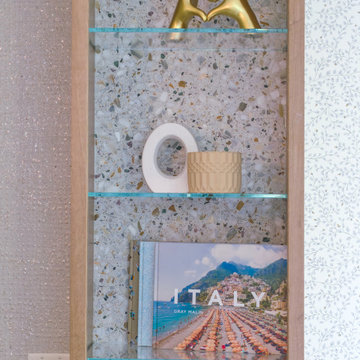
Organizational Features: Implemented dual large bulletin boards for task and project tracking, integrating them aesthetically with custom cabinetry and interesting, yet subdued, fabric backing.
Our client is thrilled with her new home office, which not only meets her professional needs but also adds comfort and style to her daily work routine. The space is highly functional for both solo work and client appointments, providing a perfect blend of business professionalism and personal comfort. It embodies the essence of a #girlboss, combining a professional atmosphere with feminine elegance, making every workday enjoyable and productive.
 Florida Green Construction Inc.
LUXURY BUILDER’S MODEL HOME FOR SALE
Save approx. $30,000 or more over 10 years in this Green home. Plus, continued savings over the lifetime of your home.
GRAND AWARD AND GRAND REALTORS CHOICE AWARD FROM THE PARADE OF HOMES 2017
ESTIMATED HOMEOWNERS’ MONTHLY EXPENSES TO LIVE IN THIS GREEN HOME.
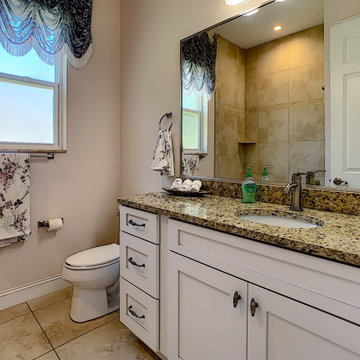
Your monthly utility bills for electricity and water are about $ 150 per month. Homeowners’ insurance about $ 60 per month. Total of all your required payments are approximately $ 210 per month in this home.
You will live without financial problems in this elegant, economical and healthy to live in luxury home, in a certified Green City Palm Coast with a comfortable climate and a clean environment.
If you are not ready to move, we provide full-service property management for you.

 Homeowner Services of Michigan LLC
Our clients were expecting their first child and needed to make room. They decided to convert their existing master bedroom into a nursery and create a peaceful retreat for themselves by building an addition off the back of their home. Our journey together began with detailed planning, working closely with the architect to design a master bedroom suite that would offer comfort and functionality. Every aspect, from the room's layout to the bathroom's design, was carefully considered.
Budgeting was the next crucial step. We worked closely with our expectant clients to select high-quality materials while keeping costs within reach, ensuring the project stayed on track financially.
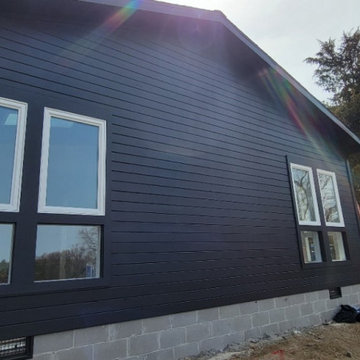
Construction started by preparing the site and laying a solid foundation. The team then moved on to framing the walls and installing plenty of windows to create a private wooded bedroom retreat. We added skylights to the beautiful vaulted ceiling so the couple could lie in bed and view the night sky. Attention to detail was paramount throughout the process.
Finally, the finishing touches brought the vision to life. An en suite, curbless shower, custom interior doors, paint, and luxury vinyl plank flooring were installed precisely as planned.
The new master bedroom suite provided the perfect sanctuary for the growing family.
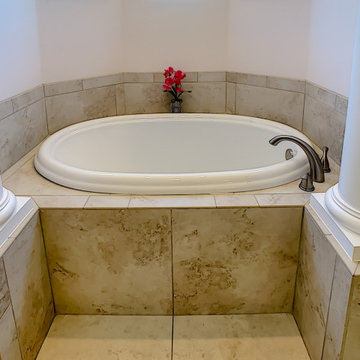 Florida Green Construction Inc.
LUXURY BUILDER’S MODEL HOME FOR SALE
Save approx. $30,000 or more over 10 years in this Green home. Plus, continued savings over the lifetime of your home.
GRAND AWARD AND GRAND REALTORS CHOICE AWARD FROM THE PARADE OF HOMES 2017
ESTIMATED HOMEOWNERS’ MONTHLY EXPENSES TO LIVE IN THIS GREEN HOME.
Your monthly utility bills for electricity and water are about $ 150 per month. Homeowners’ insurance about $ 60 per month. Total of all your required payments are approximately $ 210 per month in this home.
You will live without financial problems in this elegant, economical and healthy to live in luxury home, in a certified Green City Palm Coast with a comfortable climate and a clean environment.
If you are not ready to move, we provide full-service property management for you.
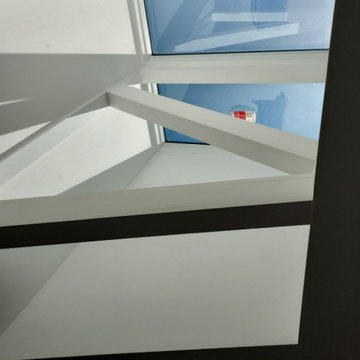 Homeowner Services of Michigan LLC
Our clients were expecting their first child and needed to make room. They decided to convert their existing master bedroom into a nursery and create a peaceful retreat for themselves by building an addition off the back of their home. Our journey together began with detailed planning, working closely with the architect to design a master bedroom suite that would offer comfort and functionality. Every aspect, from the room's layout to the bathroom's design, was carefully considered.
Budgeting was the next crucial step. We worked closely with our expectant clients to select high-quality materials while keeping costs within reach, ensuring the project stayed on track financially.
Construction started by preparing the site and laying a solid foundation. The team then moved on to framing the walls and installing plenty of windows to create a private wooded bedroom retreat. We added skylights to the beautiful vaulted ceiling so the couple could lie in bed and view the night sky. Attention to detail was paramount throughout the process.
Finally, the finishing touches brought the vision to life. An en suite, curbless shower, custom interior doors, paint, and luxury vinyl plank flooring were installed precisely as planned.
The new master bedroom suite provided the perfect sanctuary for the growing family.
9