
Search results for "Freezing" in Home Design Ideas



 EasyHeat
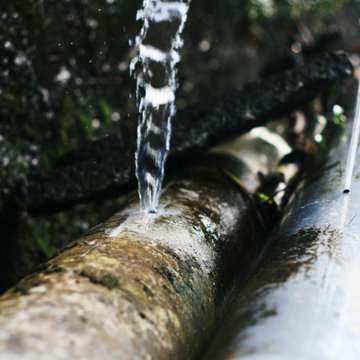
To maintain proper pipe temperatures and ensure quality freeze protection, rely on the proven performance of EasyHeat™ pipe tracing products. With a complete range of constant wattage and self-regulating heating cables that provide 3 to 20 Watts per foot of heat @ +50 °F (+10 °C) ambient temperature, we provide dependable pipe tracing solutions for any indoor or outdoor application.
 EasyHeat
To maintain proper pipe temperatures and ensure quality freeze protection, rely on the proven performance of EasyHeat™ pipe tracing products. With a complete range of constant wattage and self-regulating heating cables that provide 3 to 20 Watts per foot of heat @ +50 °F (+10 °C) ambient temperature, we provide dependable pipe tracing solutions for any indoor or outdoor application.
Find the right local pro for your project

 User
UserLaundry room - traditional single-wall laundry room idea in Toronto with an undermount sink, raised-panel cabinets, white cabinets, white walls, a side-by-side washer/dryer and gray countertops

 EasyHeat
To maintain proper pipe temperatures and ensure quality freeze protection, rely on the proven performance of EasyHeat™ pipe tracing products. With a complete range of constant wattage and self-regulating heating cables that provide 3 to 20 Watts per foot of heat @ +50 °F (+10 °C) ambient temperature, we provide dependable pipe tracing solutions for any indoor or outdoor application.
 EasyHeat
To maintain proper pipe temperatures and ensure quality freeze protection, rely on the proven performance of EasyHeat™ pipe tracing products. With a complete range of constant wattage and self-regulating heating cables that provide 3 to 20 Watts per foot of heat @ +50 °F (+10 °C) ambient temperature, we provide dependable pipe tracing solutions for any indoor or outdoor application.
 EasyHeat
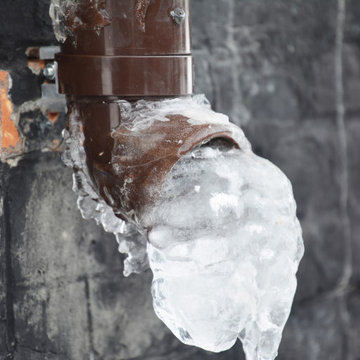
To maintain proper pipe temperatures and ensure quality freeze protection, rely on the proven performance of EasyHeat™ pipe tracing products. With a complete range of constant wattage and self-regulating heating cables that provide 3 to 20 Watts per foot of heat @ +50 °F (+10 °C) ambient temperature, we provide dependable pipe tracing solutions for any indoor or outdoor application.
 EasyHeat
To maintain proper pipe temperatures and ensure quality freeze protection, rely on the proven performance of EasyHeat™ pipe tracing products. With a complete range of constant wattage and self-regulating heating cables that provide 3 to 20 Watts per foot of heat @ +50 °F (+10 °C) ambient temperature, we provide dependable pipe tracing solutions for any indoor or outdoor application.
 EasyHeat
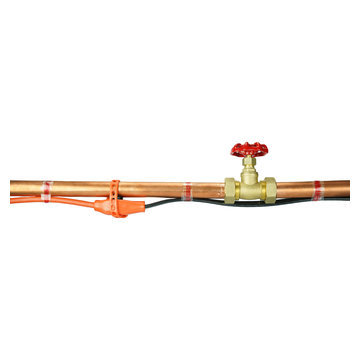
To maintain proper pipe temperatures and ensure quality freeze protection, rely on the proven performance of EasyHeat™ pipe tracing products. With a complete range of constant wattage and self-regulating heating cables that provide 3 to 20 Watts per foot of heat @ +50 °F (+10 °C) ambient temperature, we provide dependable pipe tracing solutions for any indoor or outdoor application.
 EasyHeat
To maintain proper pipe temperatures and ensure quality freeze protection, rely on the proven performance of EasyHeat™ pipe tracing products. With a complete range of constant wattage and self-regulating heating cables that provide 3 to 20 Watts per foot of heat @ +50 °F (+10 °C) ambient temperature, we provide dependable pipe tracing solutions for any indoor or outdoor application.

 Arbordale Landscaping Ltd
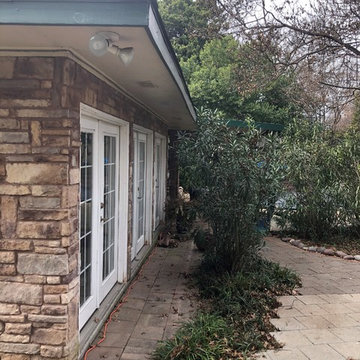
The frontyard features a natural stone walkway that leads to the solid natural stone front steps. The first stair landing connects with a custom Thermory and steel bench. A small lawn area and mixed plantings fill the rest of the space.
The backyard features a walkout basement that is covered with stadium stairs made up of solid natural stone. The stairs make ample space for herb filled pots. The final elevated step makes a bench for a small dining area. The upper terrace includes a decorative Cedar screen and raised planters for larger specimen trees. Beech hedging surrounds the yard with a specimen London Plane Tree and forest like under plantings.
 SUPERIOR CHIMNEY SERVICES CORPORATION
The impact of temperature drop on the chimney can impact the structure and functionality of the chimney. As we have been experiencing in Chicago winters, temperatures have gone from 50 degrees down to 21 degrees during the day, with temperatures falling even further at night. What can you do as a homeowner to watch for, and when to bring in a certified technician from Superior Chimney.
External: Impact of Temperature Drop on the Chimney
Anytime there is a rapid temperature change, it causes the bricks, stones and mortar to expand and contract. These durable materials are still susceptible to thermal shock, especially when it gets wet from ice, rain or melting snow. Because of the drastic change in temperatures, this can cause hairline cracks to begin, and if it goes unnoticed, larger cracks in the masonry will form.
External: Freeze-Thaw Damage
Mortar, bricks and stones are porous materials, meaning that air and water enter the materials. Sometimes, it leaves or dries out, and other times it stays longer. When the temperatures drop below 32 degrees, any of the trapped water freezes and then expands. This can cause small cracks to start, deterioration of the mortar or spalling which is the flaking of the bricks to occur.
External: Ice Build Up on the Chimney Cap or Chimney Crown
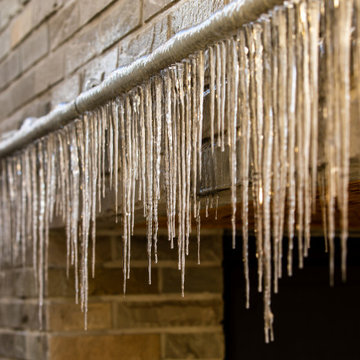
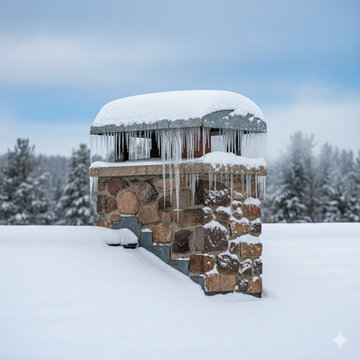
When temperatures are 50 degrees and it rains, water accumulates everywhere, including the highest point on your house, the chimney. The chimney cap and chimney crown are always exposed to the harshest elements. When it rains and temperatures drop during the day or night, freezing occurs and can create ice buildup. This can cause the chimney crown to crack or the chimney cap to loosen.
Internal: Chimney Flue Lining
The temperature swing also affects the chimney flue liner. Some chimney flue liners are made from clay. These are especially susceptible to crack forming from the swing in temperatures. But what also happens whether you have a gas or wood burning fireplace is the formation of condensation which can occur when there is fast cooling after the fire in the fireplace is put out or turned off.
Bring out the Sun!
Well, yes, the sunshine melts the ice and snow, but when temperatures go down at night, what remains wet, will refreeze again. The repeated process places stress on the masonry, bricks and stone.
Chimney Inspections Work
A chimney inspection can help with both safety and preserving the structure of the chimney. When a chimney technician conducts an inspection, they will search for cracks in the bricks and mortar, any spalling or deterioration from the thermal shock and freeze thaw cycle. These areas will be marked for repairs if it gets any worse and before it becomes too expensive to repair.
We can’t forget the biggest intruder in the home: water. The chimney technician will also be checking for water leaks from the chimney flashing, the chimney crown, chimney cap or the efflorescence which is the white material that shows up on the chimney or fireplace.
These are just a couple of key areas that a chimney inspection completes. There are numerous other areas, and this can be found on Superior Chimney’s 14-point inspection guide.
Contact us today, and we’ll set you up for a chimney inspection with photo evidence so you have peace of mind with the safety and security of your home.


 Houtje Touwtje
The simplicity of the white pots on a white background in our living room emphasises the beautiful dark green colours of our plants. We buil this vertical garden ourselves with upcycled wood. The pots are all different because we'd love to go thrift-shopping for pots for our collection of 100+ plants. Credits: instagram.com/houtje.touwtje
 Five Star Tree Care
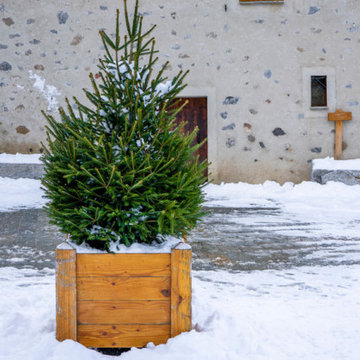
Winter has arrived and this means many months of snow and ice are ahead. When trees shed their leaves and go dormant for the winter, this is like how bears hibernate; they are both sleeping through the cold and waiting until the warm spring weather comes back. But unlike hibernating bears, who are safe and snuggled up in a warm cave somewhere, trees are left to withstand the harsh, cold elements throughout the entire winter. This means that they are more impacted than you might believe.
It is easier for mature trees to be able to handle the long winter months due to their extensive root system and thick bark. But saplings and other newly planted trees are not yet fully equipped with these natural defenses to handle the cold. No matter if you have new or older trees, following our tips will help them prosper during the cold Canadian winter ahead. Our team at Five Star Tree Services has come up with some winter maintenance essentials for your trees that will give them an extra hand over the winter.
One Last Water
Getting one last good watering in before the ground freezes is helpful to newly planted and young trees. Always make sure to water your tree slowly and gently. This allows the water to seep down into the root system as opposed to it running off the top and freezing.
Apply Mulch
When you use mulch, it acts like a barrier between the tree roots and the cold snow, it helps to insulate it. When you are applying mulch, make sure you spread it around the base of the tree so that it is no more than 3 inches deep. You also need to make sure to spread the mulch all the way to the drip line surrounding the tree. Make sure to not exceed 3 inches around your entire tree and keep the mulch away from the trunk of the tree.
Wrap Tree Trunks
There is a condition called sunscalding that can occur during the winter months. This happens when there is a temperature change that happens quickly. You might notice it when the sun warms the trees, which thaws the bark but during the night, when it gets cold again, it causes the melted water in the bark to rupture, causing cracks in the tree’s trunk. Young trees are especially susceptible to this happening. To help stop this from happening, it is best to wrap your trees with tree wraps or a plastic guard. It is advisable to wrap the trunk from the ground up and stop just below the first branch.
Shelter Your Trees
Young or newly planted trees are fairly defenseless for the first handful of years. Older and more mature trees have had time to develop a strong root system and hardy bark that help to protect them against things like animals and the freezing cold. If you want to help your little sapling along this winter, you can build a shelter that can handle having snow piled on it. You can also periodically use a broom to brush off the snow that accumulates on a tree’s branches. But try to avoid breaking off any ice that has formed on the branches, as this can actually end up hurting the tree if you accidentally break one of its branches instead.
Keep Road Salt Away
It’s no big secret that the use of road salt is detrimental to trees. When it gets on them, the end result come springtime is a dead tree, or at least, a severely damaged one. As much as you can, protect your trees and limit their exposure to salt over the winter.
Protect Your Trees
Winter is not only limiting for trees, but for a lot of other animals as well. This includes rabbits, mice, moles, squirrels, and other furry little creatures, who like to use trees as a food source during the summer months. During the winter, this food is now cut off when the trees go dormant. This only leaves the tree’s bark as an alternative food source for these critters. They seem to especially like young tree bark to chew on over the winter. In order to stop this from happening, you need to protect the bark with things like a fence surrounding your tree, wrapping the trunk with a plastic guard or hardware cloth.
Winter Pruning
The best time to prune any tree is during the winter months when the tree is dormant. Pruning allows you to rid the tree of any excess branches and control disease. Winter pruning is highly beneficial and lets your tree improve branch development in the spring.
Don’t Use
Always make sure to avoid products that are known to hurt trees, especially ones containing sodium chloride. Products like that cause negative reactions in trees or any plants, as it hinders their water intake. Instead, look for products that have potassium, calcium, and magnesium chloride.
How Five Star Tree Services Can Help
For newly planted and young trees, it is especially important to help them through the winter as best you can. We here at Five Star Tree Services are here to help you get your trees through the winter. If you require Toronto Tree Care, make sure to give us a call at (416) 990-3355.
 EasyHeat
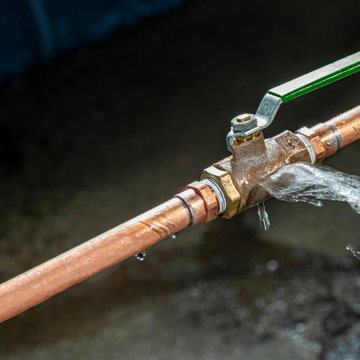
To maintain proper pipe temperatures and ensure quality freeze protection, rely on the proven performance of EasyHeat™ pipe tracing products. With a complete range of constant wattage and self-regulating heating cables that provide 3 to 20 Watts per foot of heat @ +50 °F (+10 °C) ambient temperature, we provide dependable pipe tracing solutions for any indoor or outdoor application.
 EasyHeat
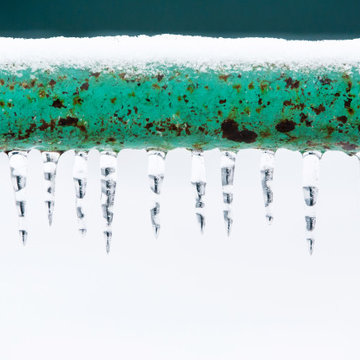
To maintain proper pipe temperatures and ensure quality freeze protection, rely on the proven performance of EasyHeat™ pipe tracing products. With a complete range of constant wattage and self-regulating heating cables that provide 3 to 20 Watts per foot of heat @ +50 °F (+10 °C) ambient temperature, we provide dependable pipe tracing solutions for any indoor or outdoor application.
 Five Star Tree Care
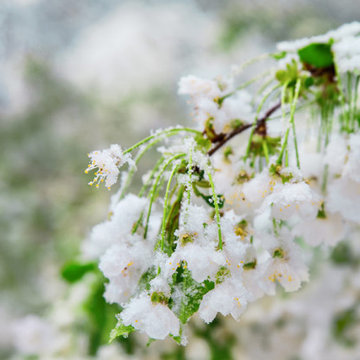
Spring brings the first rays of steady sunlight that encourage your trees to start sprouting fruit and flowers. However, sometimes at the start of spring, the cold weather makes a sudden and abrupt turn as winter tries to reassert its dominance. This can cause a late freeze, which is difficult for many trees to combat. Fruit trees are the most vulnerable during a late freeze, but Five Star Tree Services has some suggestions to help you protect your fruit and flowering trees from a late freeze.
Protecting Your Trees
Some fruit trees are better able to protect themselves from the cold, but all trees need to be protected from the frost. Depending on the type of tree you have, several methods of protection are effective.
Peach Trees: To protect peach trees, cover them with a blanket or a sheet during the day. This will allow heat to build up that will protect them at night during the freeze. Make sure to leave the cover in place until the freeze passes.
Citrus Trees: These are the most fragile of all trees. Small trees should be draped with burlap, a sheet, a tree frost blanket, or any other type of fabric at least a day before the freeze occurs. The cover has to surround the whole tree to trap the heat and prevent frost.
Apple Trees: These trees are pretty sturdy compared to other fruit-bearing trees. They can handle the cold, but it is still a good idea to cover them during sudden frost.
It is important to avoid placing ground covers, mulch, and weeds from around the base of a tree during cold weather and frost periods. The moist bare soil emits more heat than soil that is mulched. Watering trees ahead of a frost can also help to protect them as water also emits heat. When you expect a freeze, it is also best to furrow-irrigate at night or use a sprinkler on its low setting while ensuring there is proper drainage for your trees. Any time the outside temperature is forecast to drop below 32 degrees; you should cover your trees.
Which Trees Can Survive in the Cold?
No fruit-bearing trees are made for cold climates, but some are better equipped to handle the cold than others. The Plant Hardiness Zone can help you choose the right trees to plant for the area where you live. For example, lemon trees and other citrus trees need to be planted in zones 9-11 where the risk of cold weather is minimal. Pear trees, on the other hand, need cold weather to thrive and should be planted in zones 4-8.
Freezing Dangers
Some fruit or flowering trees that are caught unguarded during the late frost may lose their blossoms. In many cases, these trees will no longer sprout during the current growing season but will come back next spring as healthy as ever.
Younger trees are more prone to damage than mature trees. Trees that have closed buds are also able to handle the cold better than those that have already started to bloom. Of course, the longer a freeze is present, the more dangerous it is for your trees.
How We Can Help
The skilled arborists here at Five Star Tree Services are always on hand to help protect your trees from frost and with regular maintenance. Some of the other services we provide include tree removal, tree planting, and tree pruning in Richmond Hill and the Greater Toronto Area. If you require our assistance, give us a call at (416) 990-3355 today.
9