
Search results for "Frequently referred" in Home Design Ideas
 Square Deal Remodeling Co.
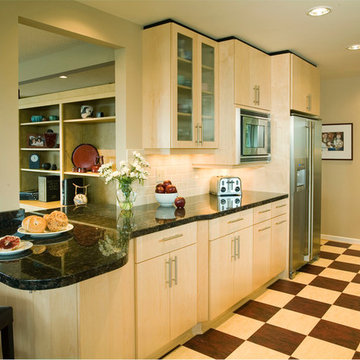
The new kitchen maximizes space while increasing usability, integrating limited countertop work space with a small eating bar. The granite countertop contours perfectly with the cabinetry, wrapping around our structural post at left. We refinished the existing shelving in the background to like-new condition, retaining an existing element used frequently by our client.
Photos By Nicks Photo Design

 Siobhan's Outdoor Transformations
We picked Florida native Coral Honeysuckle/ Lonicera sempervirens for the chain link fence surrounding the sports court. This beautiful, slender, climbing vine is frequently visited by hummingbirds. Not too aggressive and is a good climber or ground cover. The species name refers to its evergreen habit, especially in the South. Coral Honeysuckle was awarded wildflower of the Year in 2014. The bright red fruits are also attractive to birds; consumption by Quail, Purple Finches, Goldfinches, Hermit Thrushes, and American Robins has been documented. Further, the plant is larval host to Spring Azure butterflies and Snowberry clearwing moths.

 Smart-Solutiions
The Science of Light and Learning
To understand the relationship between lighting and learning, it’s critical to grasp the concept of correlated colour temperature (CCT). CCT refers to the warmth or coolness of light, measured in Kelvin (K). Lower CCTs (around 3000K) provide a warm, cosy atmosphere, while higher CCTs (5000K or above) emit a cool, daylight-like glow. Studies have shown that cool white light, which mimics natural daylight, can increase alertness and mood, contributing to improved cognitive performance. LED lighting, with its ability to produce this desired CCT, makes an ideal choice for educational settings.
LED Lighting: Brightening the Future of Education
Energy Efficiency and Cost Effectiveness
One of the main advantages of LED lighting is its energy efficiency. Traditional lighting solutions like fluorescent and incandescent bulbs consume much more energy to produce the same amount of light as LEDs, which is not only environmentally harmful but also financially costly. Switching to LED lights can result in substantial cost savings for schools, enabling them to redirect funds to other critical areas of education.
Durability and Longevity
LED lights are renowned for their durability and longevity. They have a significantly longer lifespan compared to conventional lights, which means less frequent replacement and reduced maintenance costs. This durability also minimises disruptions caused by light failure, providing a consistent, well-lit learning environment.
Improved Visibility and Reduced Eye Strain
With their superior colour rendering index (CRI), LED lights render colours more accurately, leading to improved visibility. This is particularly beneficial in educational settings, where activities often require distinguishing fine details and colours. LED lights also emit less glare than traditional lighting solutions, reducing eye strain and fatigue. This can lead to better concentration and increased comfort for both students and teachers.
Incorporating LED Lighting in Classrooms: Practical Considerations
When transitioning to LED lighting in classrooms, a few key factors need to be taken into account. Firstly, the lighting design should ensure an even distribution of light, preventing shadowy or overly bright spots that could distract or discomfort students. Secondly, the integration of dimming capabilities can provide flexibility, allowing educators to adjust the lighting level based on the task at hand. Finally, lighting controls can be used to take advantage of natural light, automatically dimming or turning off the LEDs when sufficient daylight is present.
Conclusion: The Bright Promise of LED Lighting in Education
As education systems continue to evolve, it’s imperative to keep sight of the physical factors that significantly impact learning, one of which is lighting. LED technology, with its myriad benefits, offers an innovative and effective way to enhance the quality of lighting in classrooms. By prioritising investments in such improvements, we can take a significant step towards creating an optimised learning environment that nurtures the educational success of future generations.
Find the right local pro for your project

 Sanctuary by Eva
This is my scale 3D layout and space/color planning for my new apartment at Woodside 11. The apartment is nice, but it felt cold with so much gray and modern styling. THe kitchen island is gray granite, and the cabinets in the kitchen are a darker gray. Appliances are all stainless and black. The walls are SW Grateful Gray. I was inspired to add warmth and energy with pinks and reds, offset by navy. This is a visual brainstorm to scale, mood board will be uploaded soon. I've planned room for a bed for my future dog and a jungle gym for my future cat. Most of my friends and I are in the practice of removing shoes upon entering someone's home, but my pet peeve is having nowhere to sit to easily do this, so I added a bench to the right of the door with a mat underneath. Shoes can be stored under the bench, and there will be hooks and a little shelf above for purses, jackets, keys, etc. The middle of the room is referred to as the dining area by the apartment complex, and many people will use it as such. I work from home and live alone, so between the counter stools, patio table and chairs, and a tray on the cocktail ottoman in front of the sofa, I think I have enough dining options. I put my desk in that space instead, facing the gorgeous view. My west-facing patio looks out over grass, trees, sky, and a pond frequented by geese, a blue heron, and an egret. Who wants to be facing a wall while you work?! Please follow this project to see what develops over the next few months.
 All Marble Tiles
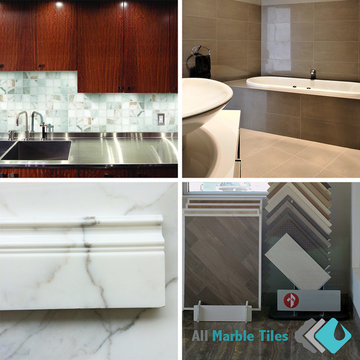
Planning to renovate your kitchen or bathroom? Need idea for Marble tiles vs. porcelain tiles:
Marble tiles vs. porcelain tiles
It is time to renovate your kitchen or bathroom. However, you need to choose tiles for your renovation. So, off you go to the tile merchandiser to look at your options. Your wife wants marble while you prefer porcelain tiles. Now, before you make any decision, go to the tile merchandiser to look at your options. Your wife wants marble tile while you prefer porcelain tiles. Now, before you make any decision, you need to answer the following questions?
• Do we want to tile inside or outside? ;
• What are the measurements of the area to be tiled? ;
• What is the budget? ;
• What type of quality tile do you want to use? ;
Now that you have answered these questions, the key question then is:
What are the essential differences between marble and porcelain tiles?
1) The most important difference is that porcelain tiles are clay baked in an oven while marble tile is a naturally mined stone from a marble quarry. Porcelain are baked rock hard at high degrees while marble does not go through a baking process;
2) Porcelain tiles are hard and non-porous while marble is softer and porous. Porous refers to the amount of tiny holes in the tile;
3) Porcelain tiles are often used in harsher conditions especially outside, whilst marble is better at internal use. Tiles are used on roofs and outside surfaces while marble is best as floor and wall tiling applications;
4) Porcelain tiles are more suited to high traffic areas while marble is more suited to moderate traffic areas;
5) Porcelain tiles are easier to maintain and marble has high maintenance. Porcelain doesn’t stain or scratch easily, while marble requires frequent cleaning and polishing to maintain the same appearance.
6) Porcelain tiles are cheaper than marble. Porcelain are made of cheaper materials and the process is cheaper as marble is mined, then cut and polished or honed;
7) Tiles are usually glazed or unglazed while marble is polished or honed;
8) Porcelain tiles are mass produced and the same color runs throughout the tiles; marble is naturally mined and the color differs;
9) The quality of porcelain tiles is far beneath that of marble;
10) Porcelain tiles are lighter than marble as marble’s density is higher;
Now that you have read about the essential differences between porcelain tiles and marble, you can make an educated decision on which type of tile to use. Good luck.
http://AllMarbleTiles.com

 Adobe Interiors
The feeling you get when you curl up with a good book, a mug of tea and a throw blanket should be something that you can access every day — and when you add the Sleepy Hollow Mocha Recliner to your living area, that coveted fantasy will become a reality. We refer to this quality leather recliner as “the perfect napping chair,” and it is easy to see why. In fact, we challenge you to sit in this Sleepy Hollow Mocha Leather Recliner for a few minutes and not feel like kicking your feet up and drifting off to dreamland. Enjoy hours of comfort and years of use with our Sleepy Hollow Mocha Recliner. This luxurious leather recliner is 100 percent American-made, and its quality exceeds even our own high standards. Light a few candles, grab a book or magazine and your beverage of choice, and settle in for a while.
Overall Dimensions: 40" H x 32" W x 43" D
Arm Height: 25"
Seat Dimensions: 19" H x 21" W x 21" D
Overall Layout: 70"
Leather Description: Artisan Leathers beautifully evoke this time worn quality, unique to every individual piece, like the originals. To pure aniline leather crusts, already fully and carefully upholstered to the piece, a base color is created with multiple applications of waxes and oils, hand-worked by the leather Artisan. After drying, this craftsman then carefully builds-up the finish with an expert's eye, and touch, to achieve an aged patina in just the right places to reflect the aged qualities only time, wear, and frequent care could have accomplished naturally.
Every individual piece upholstered with Artisan Leather finishing methods is first beautifully built to the highest standards of quality. The leather is then hand-colored and aged to bespeak the loving touch of time, providing a quality antique appearance to a beautiful new piece of quality leather furniture. Every chair, sofa, or bench has its very own unique identity only these hand-crafted methods can provide, reflecting the presence of a time honored past.
True 100% top/full grain cowhide leather is characterized by variations in shade, texture, color and grain. Healed marks and scars are to be expected and enhance the natural beauty of the hides. These variations are normal and unique features of true genuine 100% top grain cowhide leather.
Frame Construction: Using traditional hand craftsmanship with modern manufacturing methods to produce frames that are among the finest used in the upholstery business. Each frame is precisely cut and hand assembled using kilned dried lumber. Double dowels are utilized in all structural parts to form sturdy, long lasting joints. To complete construction and add stability to the frame, large precisely cut corner blocks are positioned at each corner where the greatest stress occurs using both glues and screws. Limited Lifetime Warranty

 Charmean Neithart Interiors
The homeowners of this California Cottage wanted a beach vibe in their 1700 sq. ft. home. They wanted to make the most of their spaces by widening doorways, adding wood floors throughout the house, and adding a skylight. The result is cozy, casual California living at its best with frequent family dinners and celebrations with friends.
Photos by Erika Bierman www.erikabiermanphotography.com
Sponsored
Columbus, OH

Hope Restoration & General Contracting
Columbus Design-Build, Kitchen & Bath Remodeling, Historic Renovations

 Hursthouse Landscape - Architect, Build, Maintain
The paver is known as Smoky Mountain Gray. While frequently referred to as slate it's actually a sandstone and a great selection here to blend with the limestone on the home.
 Damian Hannah Designer
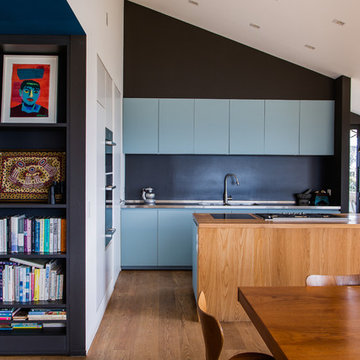
Inspiration for a contemporary galley dark wood floor open concept kitchen remodel in Wellington with flat-panel cabinets, blue cabinets, black backsplash and an island

 cobykane
Water Treatment and Wastewater Recycling Plant in Oil and Gas Production
WATERMAN ENGINEERS AUSTRALIA
Introduction
Water is a critical component in oil and gas processing, playing a crucial role in various stages of exploration, production, and refining. However, water handling in such processes poses serious challenges, mainly in connection with treating high TDS and salinity water. The situation is even more serious in oilfield sites, gas field sites, and exploratory sites where the need for water recycling and treatment is always necessary to minimize the impact on the environment and to keep operational costs at a minimum.
The oil and gas industry has seen a growing concern toward water treatment and recycling. These processes underline the sustainability of operations, license to operate, and low environmental footprint. This paper discusses the roles water treatment plants can play in mitigating the problems of high TDS and salinity during oil and gas production by recycling and reusing water to minimize waste and environmental harm.
The Water Challenges in Oil and Gas Production
Water finds its application on a large scale in the oil and gas industry for several purposes, such as in drilling, hydraulic fracturing, cooling, and hydrocarbon processing. The water used in these aforementioned processes frequently comes into contact with a wide array of contaminants, among which are hydrocarbons, heavy metals, several various chemicals, and high concentrations of dissolved salts. This contaminated water, often referred to as produced water, produces a great environmental risk if not properly treated.
Produced water typically contains high TDS concentrations, including salts, minerals, and other dissolved solids. Reservoir location and depth can make the salinity of this water vary widely. For many produced waters, these TDS values are very high and not suitable for direct discharge or reuse without treatment. The presence of salts and other dissolved solids can result in scaling, corrosion, and other operational problems of equipment, pipelines, and storage vessels.
For details visit: https://watermanaustralia.com/water-treatment-and-wastewater-recycling-plant-in-oil-and-gas-production/

 Southern Perfection Painting Inc.
This month we are answering some frequently asked questions!
So let's break it down.
What is a Paint Contractor?
Professional painting contractors are professional painters who work for a company to paint your commercial property or are hired directly by a homeowner.
How Do I Know They're Good?
Reviews, references, and past projects are a great place to start. Yelp and Google reviews are great sites to see this information.
What Makes Them Worth Hiring?
Most contractors are equipped to do any paint job, from a single room to a whole house. They have years of experience with all types of products, surfaces, and environments. They have access to any type of equipment or supplies they might need. They can complete a job quickly and with the highest quality.
If you'd like an established paint contractor then go to www.soperfectpaint.com today! (link in bio.) SPPI started business in January 1984 and has been in business for over 37 years. We will schedule a free consultation and estimate with you right away!
#paintcontractor #paint #painting #exteriorpainting #interiordesign #residentialpainting #commercialpainting #paintlife #interiorpainting #painter #paintingcontractor #paintersofinstagram #professionalpainter #contractors #homedecor #motivational #inspirational #successful #motivationalquotes #entrepreneurship #entrepreneurs #entrepreneurlife #businessman #businessowner #startuplife #success #businesswoman #quoteoftheday #successquotes #startup

 Piping Project
PipingProjects.eu is one of the leading Steel Pipe Manufacturers in Europe. Steel, a very resilient and versatile metal alloy mostly made of iron and carbon with varying amounts of manganese, nickel, chromium, and molybdenum added, is frequently used to make cylindrical tubes, usually referred to as Steel Pipe.
Steel Pipe Manufacturer are used widely in many different industries and applications because of its amazing strength, durability, and versatility. They are made to transfer fluids, gasses, and solids. In Europe, we are a reputable supplier of Steel Pipe Suppliers. Our state-of-the-art production facilities employ state-of-the-art technology to meet stringent industry standards, providing reliable performance under different situations.
Our Steel Pipe Suppliers in India are not only long-lasting but also smoothly attached, which facilitates installation and lowers the possibility of leaks. In fluid transport systems, the smooth inner surfaces of the pipes promote operational efficiency, minimize friction, and enhance fluid flow.
Other Product: Steel Plate Manufacturer in Europe
Other Product: Steel Plate Manufacturer in Europe
 safe ZOnea
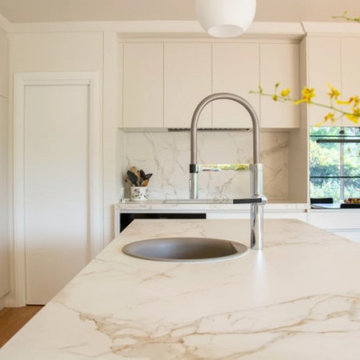
Ask a kitchen designer in Chicago which countertop question comes up most and you will hear the same answer: white or off-white quartz, and which shade. Homeowners walk into showrooms with a photo saved on their phone, usually a bright, veined slab from a magazine spread, and leave an hour later realizing there are a dozen versions of that same look. The confusion is not about taste. It is about the fact that "white quartz" covers a huge range of patterns, undertones, and price points, and nobody explains the differences before the sale.
Older bungalows and newer builds alike are getting stripped of their dated laminate and butcher block in favor of quartz, and the reasons are practical rather than trendy. Quartz does not need sealing, resists the kind of staining that granite can suffer over decades, and holds up to the freeze-thaw humidity swings that Chicago basements and kitchens go through every year. Once a homeowner commits to quartz, though, the real decision starts: which white, and does the pattern justify the difference in cost.
This piece walks through three specific slabs that keep showing up in Chicago renovation projects, why designers reach for them in different rooms, and what actually separates a flat white surface from one with real depth. None of this requires a design background to follow. It is mostly about paying attention to how a slab behaves under kitchen lighting, how busy the vending gets, and how it photographs versus how it looks in person.
Why White Quartz Took Over Chicago Kitchens
Ten years ago, granite dominated Chicago kitchen remodels almost by default. It was durable, it looked expensive, and every fabricator in the metro area carried a wide range of colors. Quartz has since taken over that position, and the shift happened faster than most contractors expected. Engineered stone gave homeowners a more predictable surface, since natural granite varies slab to slab while quartz is manufactured to a consistent pattern batch after batch.
The other driver is light. Chicago winters are long and gray, and a lot of kitchens, especially in older two-flats and courtyard buildings, do not get much direct sun. A dark granite countertop in a dim kitchen can make the whole room feel smaller. White and light-toned quartz reflects what little natural light comes through the windows, and it makes a galley kitchen or a north-facing space feel noticeably brighter without touching the cabinetry or the layout.
There is also a resale argument that local real estate agents bring up constantly. White quartz photographs well for listings, reads as updated and low-maintenance to buyers touring in person, and does not compete visually with whatever cabinet color the next owner might prefer. It is a safer bet than a bold veined marble look or a colored quartz that might feel dated in five years.
Arctic White and the Cost Question
Among the flatter, more uniform whites, arctic white quartz price comes up constantly in budget conversations because the slab sits at a more approachable point than the heavily veined Italian-marble-inspired patterns. It reads as clean and bright without the busy movement that some homeowners find overwhelming in a small kitchen. Fabricators in the Chicago area tend to keep it in stock precisely because demand stays steady across both new construction and remodel projects.
Part of what keeps this slab affordable relative to its heavily patterned cousins comes down to manufacturing complexity. A quartz surface with minimal veining and a consistent white base is simpler to produce at scale than one that mimics the irregular, high-contrast movement of natural Calacatta marble. That production difference shows up directly in what a homeowner pays per square foot, and it is worth asking a fabricator to walk through that pricing before assuming every white quartz costs the same.
Homeowners planning a full kitchen, including an island, backsplash, and perimeter counters, often use a flatter white like this specifically because it lets other elements carry the visual interest. A patterned tile backsplash or a bold cabinet color reads more clearly against a calm countertop than against one already fighting for attention with heavy veining. Designers frequently pair simpler whites with statement lighting fixtures for exactly this reason.
What Makes Calacatta Patterns Different
Calacatta refers to a family of marble originally quarried in Italy, known for a bright white background broken up by bold, often gold-toned veining that moves in thick, dramatic streaks rather than thin gray lines. Natural Calacatta marble is soft, porous, and expensive to maintain, which is exactly why quartz manufacturers spent years developing engineered versions that replicate the look without the upkeep headaches.
The challenge with any Calacatta-style quartz is getting the veining to look organic instead of printed. Early generations of engineered stone struggled with repetitive patterns that gave away the fact the slab was manufactured rather than cut from actual marble. Modern digital printing and layering techniques have closed that gap considerably, and the better Calacatta-inspired quartz lines now vary the veining across each slab batch so two counters in the same kitchen do not look identical.
Chicago designers gravitate toward Calacatta patterns for kitchens that function as the visual centerpiece of an open floor plan, which describes a large share of the gut renovations happening in neighborhoods like Lincoln Park, Roscoe Village, and the North Shore suburbs. When the kitchen island is visible from the living room and dining area, a dramatic veined surface becomes part of the home's overall design language rather than a purely functional work surface.
Calacatta Arno Under Kitchen Lighting
One of the more popular options in this category, calacatta arno quartz, balances a warm white base with soft gray and gold veining that avoids looking too stark under the cooler LED lighting common in newer Chicago builds. Homeowners touring showrooms sometimes make the mistake of judging a slab entirely under warm incandescent lighting, then get surprised when the same surface looks slightly different once installed under their kitchen's actual fixtures.
What separates this particular pattern from flatter competitors is how the veining clusters rather than spreading evenly across the slab. That clustering mimics the way real quarried marble forms, with denser mineral deposits in some sections and cleaner stretches in others. Fabricators cutting a large island slab from a single piece will often orient the pattern intentionally so the busiest veining lands somewhere visually interesting rather than getting cut off at an edge.
Because the background reads warmer than a stark white, this pattern tends to pair well with brass or matte gold hardware, a combination that has been showing up repeatedly in Chicago kitchen remodels over the past few renovation seasons. Cabinet painters report a similar trend, with more clients requesting warm white or greige cabinet colors specifically because they complement this kind of veined quartz better than a cooler, blue-toned white would.
Silestone's Version of the Calacatta Look
Manufacturers compete directly in this Calacatta-inspired category, and silestone eternal calacatta gold represents one brand's specific take on the pattern, distinguished by richer gold veining set against a brighter white base than some competing slabs in the same family. Silestone has built a reputation around anti-bacterial surface treatments in addition to the standard quartz durability, a detail some homeowners specifically ask about for kitchens used heavily by families with young children.
The veining in this particular slab tends to run in longer, more continuous lines compared to the clustered pattern found in some other Calacatta-style options, which gives large island surfaces a sense of visual flow from one end to the other. Fabricators working with bigger islands, the kind increasingly common in open-concept Chicago remodels, often favor patterns like this because there is less need to worry about seams interrupting a busy, disconnected pattern.
Price positioning for this slab tends to sit toward the upper end of the engineered quartz category, reflecting both the brand's manufacturing process and the complexity of replicating that continuous gold veining consistently across production batches. Homeowners weighing this option against other Calacatta-style quartz should ask their fabricator directly about batch availability, since premium patterns sometimes have longer lead times than standard stock colors.
Living With Quartz Day to Day
Beyond how a slab looks in a showroom or a listing photo, the daily experience of owning quartz countertops matters more once the renovation dust settles. Quartz resists scratching far better than laminate and holds up to the acidic spills, hot pans, and general abuse of an active kitchen without the sealing maintenance that natural stone requires every year or two. That low-maintenance reputation is a large part of why quartz overtook granite in the first place.
Heat resistance is a detail that gets less attention than it should. While quartz handles moderate heat well, manufacturers generally recommend using a trivet or pad for very hot pots straight off the stove, since sudden temperature shock can occasionally cause stress marks in the resin binder that holds the engineered stone together. This is a minor precaution rather than a major limitation, but it is worth mentioning to anyone assuming quartz is entirely indestructible.
Cleaning routines stay simple across almost every pattern in this category. A damp cloth and mild soap handle daily messes, and the nonporous surface means wine, coffee, and tomato-based sauces do not soak in the way they can with unsealed granite or marble. Homeowners moving from an older stone counter often mention how much less they worry about everyday spills once quartz is installed, which is a quality-of-life change that rarely makes it into the initial design conversation.
Choosing Between the Three
There is no single correct answer among these three slabs, and that is exactly why they keep coming up together in the same design conversations across Chicago renovation projects. A flatter white with minimal veining suits kitchens where other elements need to carry the visual interest, while a bolder Calacatta-inspired pattern makes sense when the countertop itself is meant to be the centerpiece of an open floor plan.
Budget matters too, and it is worth having a direct conversation with a fabricator about where each option lands before falling in love with a specific slab in a showroom. Lighting, cabinet color, and how the kitchen connects to the rest of the home all play into which pattern will actually look right once installation is finished rather than just in a photo.
Whatever direction a homeowner leans, seeing a full slab in person under actual kitchen lighting remains the single most useful step before signing off. Photos only go so far once the countertop is sitting in the room it will live in for years.
Sponsored
Columbus, OH
Hope Restoration & General Contracting
Columbus Design-Build, Kitchen & Bath Remodeling, Historic Renovations

 SabaRehman Abdulrehman
Phoenix's food scene is vibrant and thriving, but also one of the most closely watched in the country. Health inspectors in Maricopa County are strict, and customers expect spotless dining spaces.
To stay competitive, restaurant owners and food vendors must stay on top of evolving health codes, sanitation protocols, and food safety benchmarks. That starts with a firm grip on restaurant cleaning safety standards. Ignoring sanitation rules risks more than bad reviews. It invites citations, customer complaints, and operational shutdowns.
Whether you're operating a food truck or a restaurant, following these Phoenix cleaning standards helps you stay compliant, pass health inspections, and build customer trust.
Importance of a Clean Phoenix Restaurant that Follows Food Health and Safety Standards
The restaurant industry in Phoenix operates under strict oversight. The Maricopa County Environmental Services Department conducts regular inspections, and violations can result in fines or closures. In this climate, restaurant cleaning is not just a hygiene standard. It is a business-critical measure.
Proper food handling and establishment cleaning protocols reduce the risk of foodborne illnesses, control pests, protect equipment, and keep your staff safe. Inconsistent practices, on the other hand, can quickly become liabilities.
Start With the Food Code
Phoenix food vendors must comply with the 2017 FDA Food Code as adopted by Maricopa County. This includes rules on:
- Sanitizing food-contact surfaces after each use
- Maintaining proper water temperatures for dishwashing
- Cleaning restrooms frequently and keeping them stocked
- Storing cleaning chemicals away from prep areas
- Daily: Wipe prep tables, mop floors, clean grills, sanitize cutting boards
- Weekly: Deep clean kitchen hoods, polish cooking equipment, disinfect drains
- Monthly: Check pest control measures, clean freezer coils, and inspect HVAC filters
- Using the right sanitizers and PPE
- Logging cleaning times and who performed the task
- Identifying signs of mold, grease buildup, or rodent activity
- Conducting thorough surface cleaning to ensure all food-contact surfaces are sanitized regularly
- Food-safe and non-corrosive
- Effective against norovirus, salmonella, and E. coli
- Clearly labeled and stored in original containers
- Seal gaps around doors and pipes
- Store dry goods in sealed, elevated containers
- Keep outdoor waste bins locked and distanced from entry points
- Record cleaning completion in real time
- Alert managers when tasks are missed
- Keep a historical record for inspections
- Is certified and understands the Arizona food codes
- Provides documented service reports
- Offers customized cleaning plans
- Offers flexible scheduling around your operating hours
- Cross-contamination prevention: Regularly clean food prep surfaces and tools, and use separate equipment for raw meats, vegetables, and ready-to-eat foods. Proper cleaning prevents any contact with food that could lead to cross-contamination and affects food quality.
- Temperature monitoring: While not directly related to cleaning, maintaining proper food temperature is essential. Hot foods should be stored above 140°F, and cold foods below 40°F. Regularly monitor temperatures and clean temperature gauges to ensure accuracy.
- Proper storage: Use clean storage containers and shelving for food storage, keeping items off the floor. Ensure all food is sealed and labeled to avoid contamination risks and comply with food safety standards.
 Kungsäter Kök Göteborg
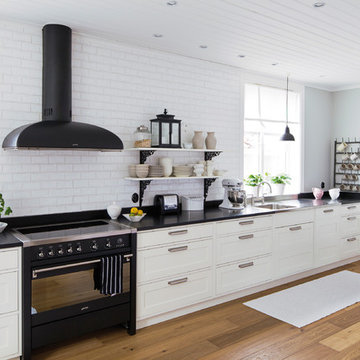
Kitchen - large scandinavian medium tone wood floor kitchen idea in Gothenburg with a single-bowl sink, shaker cabinets, black appliances and an island
3