
Search results for "Fundamental element" in Home Design Ideas
 Century Stair Company
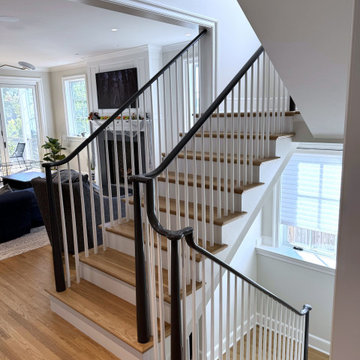
A staircase lives two lives. One as an architectural feature, and another as a functional piece of the home. This transitional design handles both with ease. Natural white oak treads flow from the hardwood floors below, making the staircase feel fundamental to the home rather than inserted into it. White painted risers and pin balusters keep the composition light and open, letting natural light move freely through the space.
The glossy black handrail and newels add an edge to the design, creating definition against the white paint and warm oak elements. Tying it together, the over-the-post balustrade creates a flowing line that draws the eye up. A staircase that doesn't demand attention, but rewards those who pause to notice it.
1976-2026 © Century Stair Company
 Ernesto Garcia Interior Design, LLC
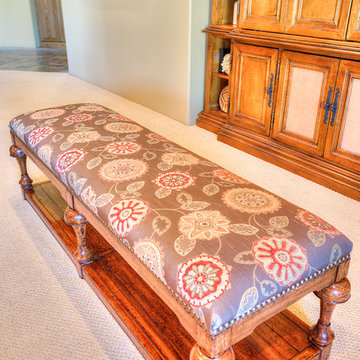
Though bench seating is a simple idea, the elegant details like embroidered medallions, the gold threading, and the stately carved legs, make this small bench a fundamental element to this great room.
 Century Stair Company
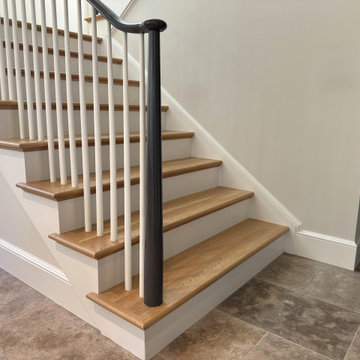
A staircase lives two lives. One as an architectural feature, and another as a functional piece of the home. This transitional design handles both with ease. Natural white oak treads flow from the hardwood floors below, making the staircase feel fundamental to the home rather than inserted into it. White painted risers and pin balusters keep the composition light and open, letting natural light move freely through the space.
The glossy black handrail and newels add an edge to the design, creating definition against the white paint and warm oak elements. Tying it together, the over-the-post balustrade creates a flowing line that draws the eye up. A staircase that doesn't demand attention, but rewards those who pause to notice it.
1976-2026 © Century Stair Company
Find the right local pro for your project
 Century Stair Company
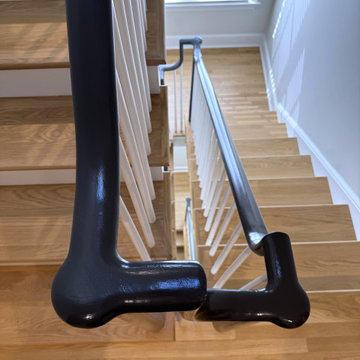
A staircase lives two lives. One as an architectural feature, and another as a functional piece of the home. This transitional design handles both with ease. Natural white oak treads flow from the hardwood floors below, making the staircase feel fundamental to the home rather than inserted into it. White painted risers and pin balusters keep the composition light and open, letting natural light move freely through the space.
The glossy black handrail and newels add an edge to the design, creating definition against the white paint and warm oak elements. Tying it together, the over-the-post balustrade creates a flowing line that draws the eye up. A staircase that doesn't demand attention, but rewards those who pause to notice it.
1976-2026 © Century Stair Company
 Century Stair Company
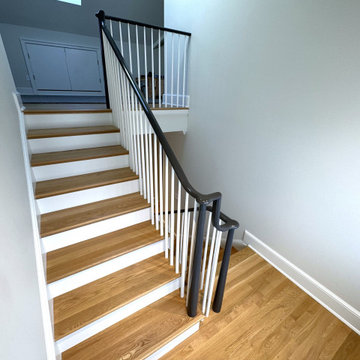
A staircase lives two lives. One as an architectural feature, and another as a functional piece of the home. This transitional design handles both with ease. Natural white oak treads flow from the hardwood floors below, making the staircase feel fundamental to the home rather than inserted into it. White painted risers and pin balusters keep the composition light and open, letting natural light move freely through the space.
The glossy black handrail and newels add an edge to the design, creating definition against the white paint and warm oak elements. Tying it together, the over-the-post balustrade creates a flowing line that draws the eye up. A staircase that doesn't demand attention, but rewards those who pause to notice it.
1976-2026 © Century Stair Company
 Century Stair Company
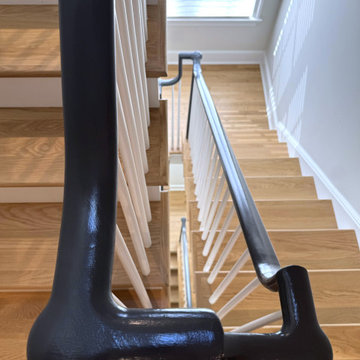
A staircase lives two lives. One as an architectural feature, and another as a functional piece of the home. This transitional design handles both with ease. Natural white oak treads flow from the hardwood floors below, making the staircase feel fundamental to the home rather than inserted into it. White painted risers and pin balusters keep the composition light and open, letting natural light move freely through the space.
The glossy black handrail and newels add an edge to the design, creating definition against the white paint and warm oak elements. Tying it together, the over-the-post balustrade creates a flowing line that draws the eye up. A staircase that doesn't demand attention, but rewards those who pause to notice it.
1976-2026 © Century Stair Company
 Caroline Bouffard Design
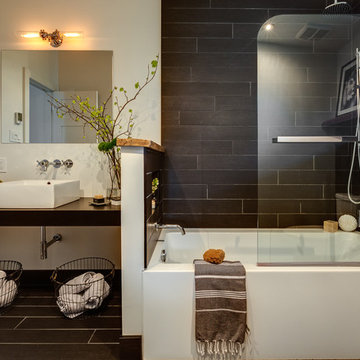
Design de la salle de bain par : Caroline Bouffard Design
Comptoirs par: Les Artistes du Bois inc.
Bathroom Design by: Caroline Bouffard Design
Countertops: Les Artistes du Bois inc.
Immophoto - Frederic Blanchet
Sponsored
Columbus, OH

Wannemacher Interiors
Customized Award-Winning Interior Design Solutions in Franklin Cnty OH
 Century Stair Company
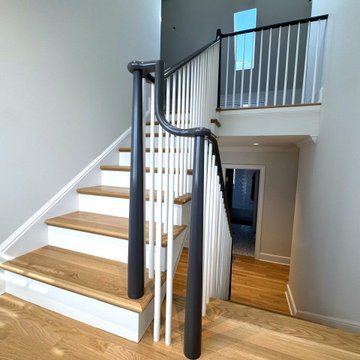
A staircase lives two lives. One as an architectural feature, and another as a functional piece of the home. This transitional design handles both with ease. Natural white oak treads flow from the hardwood floors below, making the staircase feel fundamental to the home rather than inserted into it. White painted risers and pin balusters keep the composition light and open, letting natural light move freely through the space.
The glossy black handrail and newels add an edge to the design, creating definition against the white paint and warm oak elements. Tying it together, the over-the-post balustrade creates a flowing line that draws the eye up. A staircase that doesn't demand attention, but rewards those who pause to notice it.
1976-2026 © Century Stair Company
 Century Stair Company
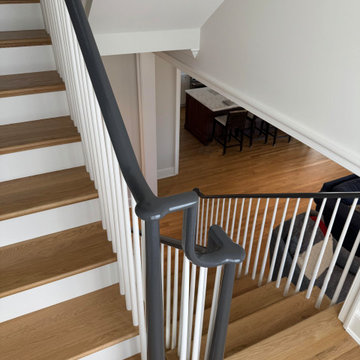
A staircase lives two lives. One as an architectural feature, and another as a functional piece of the home. This transitional design handles both with ease. Natural white oak treads flow from the hardwood floors below, making the staircase feel fundamental to the home rather than inserted into it. White painted risers and pin balusters keep the composition light and open, letting natural light move freely through the space.
The glossy black handrail and newels add an edge to the design, creating definition against the white paint and warm oak elements. Tying it together, the over-the-post balustrade creates a flowing line that draws the eye up. A staircase that doesn't demand attention, but rewards those who pause to notice it.
1976-2026 © Century Stair Company
 Century Stair Company
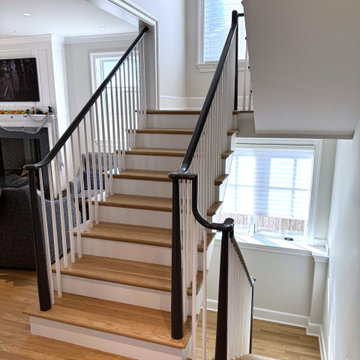
A staircase lives two lives. One as an architectural feature, and another as a functional piece of the home. This transitional design handles both with ease. Natural white oak treads flow from the hardwood floors below, making the staircase feel fundamental to the home rather than inserted into it. White painted risers and pin balusters keep the composition light and open, letting natural light move freely through the space.
The glossy black handrail and newels add an edge to the design, creating definition against the white paint and warm oak elements. Tying it together, the over-the-post balustrade creates a flowing line that draws the eye up. A staircase that doesn't demand attention, but rewards those who pause to notice it.
1976-2026 © Century Stair Company
 Archimple LLC
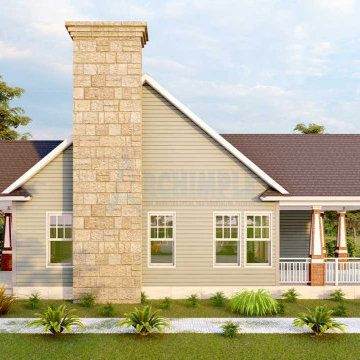
The Cottage House plan casually summons the appeal of a beautiful storybook. A Cottage is typically a little plan that helps you to remember the appeal of a beautiful storybook. This is ideally suited for a vacation home or an ocean-side home arrangement for a lake or a mountain setting. The unpredictable impressions of a Cottage house plan guarantee visual shimmer through the surprising perspective on the house and the encompassing scene, making these homes particularly reasonable for pleasant nation parcels or laid out environmental elements. The definite development of stone, block and would give the house a natural look. Following the entry, you'll track down a wonderful spot to engage loved ones in practically any program with a one-of-a-kind chimney thought. The conventional lounge area is associated with the kitchen, a cutting edge cooking island, eating bar, head servant's storeroom, and different basics. This beguiling property offers an extraordinary principle room with an advanced primary washroom with a different bath and shower, vanity sink, and fundamental level restroom. This level incorporates a powder room, library, utility room, seating region, and an enclosed carport. Three contemporary and efficient rooms are situated on the highest level of this very much ventilated house.
 Century Stair Company
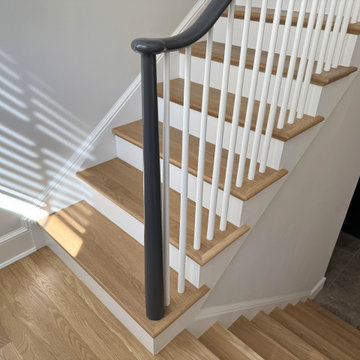
A staircase lives two lives. One as an architectural feature, and another as a functional piece of the home. This transitional design handles both with ease. Natural white oak treads flow from the hardwood floors below, making the staircase feel fundamental to the home rather than inserted into it. White painted risers and pin balusters keep the composition light and open, letting natural light move freely through the space.
The glossy black handrail and newels add an edge to the design, creating definition against the white paint and warm oak elements. Tying it together, the over-the-post balustrade creates a flowing line that draws the eye up. A staircase that doesn't demand attention, but rewards those who pause to notice it.
1976-2026 © Century Stair Company
 Century Stair Company
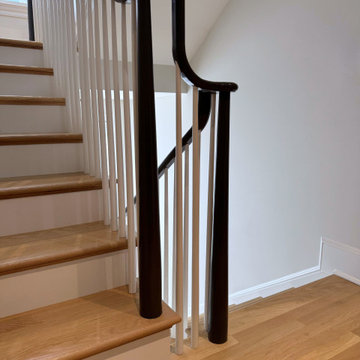
A staircase lives two lives. One as an architectural feature, and another as a functional piece of the home. This transitional design handles both with ease. Natural white oak treads flow from the hardwood floors below, making the staircase feel fundamental to the home rather than inserted into it. White painted risers and pin balusters keep the composition light and open, letting natural light move freely through the space.
The glossy black handrail and newels add an edge to the design, creating definition against the white paint and warm oak elements. Tying it together, the over-the-post balustrade creates a flowing line that draws the eye up. A staircase that doesn't demand attention, but rewards those who pause to notice it.
1976-2026 © Century Stair Company
Sponsored
Columbus, OH

Trish Takacs Design
Award Winning & Highly Skilled Kitchen & Bath Designer in Columbus
 Century Stair Company
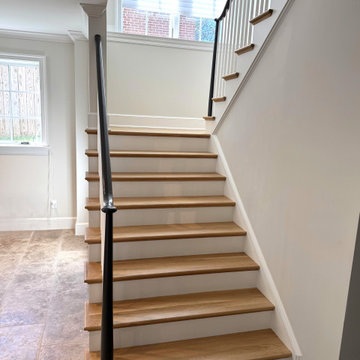
A staircase lives two lives. One as an architectural feature, and another as a functional piece of the home. This transitional design handles both with ease. Natural white oak treads flow from the hardwood floors below, making the staircase feel fundamental to the home rather than inserted into it. White painted risers and pin balusters keep the composition light and open, letting natural light move freely through the space.
The glossy black handrail and newels add an edge to the design, creating definition against the white paint and warm oak elements. Tying it together, the over-the-post balustrade creates a flowing line that draws the eye up. A staircase that doesn't demand attention, but rewards those who pause to notice it.
1976-2026 © Century Stair Company
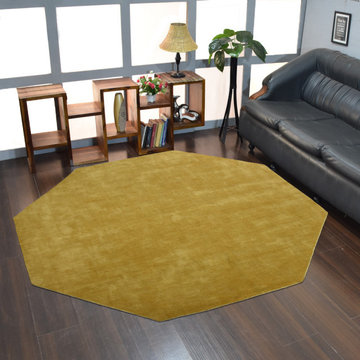
 Get My Rugs LLC
Decorate your living space with an exceptional area rug that brings both elegance and comfort to your home. Rugs are fundamental in interior design, providing not only visual appeal but also warmth and texture to any room. Whether you're enhancing a cozy living room or adding a sophisticated touch to your bedroom, selecting the right rug can profoundly impact your home’s ambiance.
When considering living room rugs, you have a multitude of options to choose from. For expansive spaces, oversized rugs or large carpets are perfect for creating a cohesive and inviting atmosphere. These substantial pieces can anchor a room, offering both style and function. Opting for a huge carpet for the living room adds a layer of luxury and comfort, making your space feel more grand and sumptuous.
For a more customized touch, explore large living room carpet rugs. These generously sized rugs provide extensive coverage and are ideal for adding a plush, cushioned feel to your floor. The scale of these rugs makes them perfect for enhancing the comfort and visual interest of larger rooms, creating a welcoming environment for relaxation and social gatherings.
In addition to traditional living room options, consider floor carpets and mats for the kitchen. These practical yet stylish additions can infuse your kitchen with warmth and coziness. Kitchen mats, in particular, are designed to handle spills and stains, ensuring they remain both functional and aesthetically pleasing.
When selecting rugs, pay attention to the material and maintenance needs. For high-traffic areas like the living room, durability and ease of cleaning are key. Look for rugs with stain-resistant properties or those that are machine washable to ensure they stay looking fresh. Non-slip or adhesive backings are also important, particularly for hardwood or tile floors, to prevent slips and ensure stability.
Additionally, consider the comfort factor. Cushioned rugs can enhance the overall feel of your space, making it more inviting and enjoyable. Personalized or custom rugs allow you to select specific designs, colors, and sizes that perfectly match your decor and preferences. An 8x10 rug, for example, offers ample coverage for larger rooms and adds versatility to your decorating options.
A well-chosen rug is not just a decorative element but also a practical investment in your home’s comfort and style. Whether you’re choosing a large rug for a spacious living room, a floor carpet for the kitchen, or a big carpet to make a bold statement, the right rug can transform your living environment into a stylish and comfortable retreat. Discover a variety of styles, materials, and sizes to find the ideal rug that complements your decor and enhances the functionality of your space.
 Century Stair Company
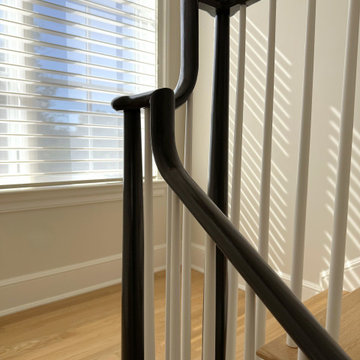
A staircase lives two lives. One as an architectural feature, and another as a functional piece of the home. This transitional design handles both with ease. Natural white oak treads flow from the hardwood floors below, making the staircase feel fundamental to the home rather than inserted into it. White painted risers and pin balusters keep the composition light and open, letting natural light move freely through the space.
The glossy black handrail and newels add an edge to the design, creating definition against the white paint and warm oak elements. Tying it together, the over-the-post balustrade creates a flowing line that draws the eye up. A staircase that doesn't demand attention, but rewards those who pause to notice it.
1976-2026 © Century Stair Company
 Century Stair Company
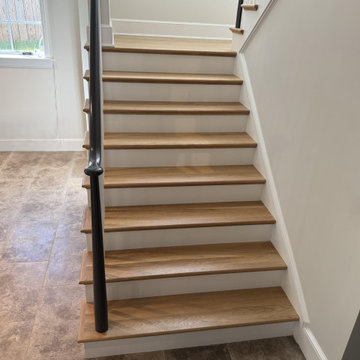
A staircase lives two lives. One as an architectural feature, and another as a functional piece of the home. This transitional design handles both with ease. Natural white oak treads flow from the hardwood floors below, making the staircase feel fundamental to the home rather than inserted into it. White painted risers and pin balusters keep the composition light and open, letting natural light move freely through the space.
The glossy black handrail and newels add an edge to the design, creating definition against the white paint and warm oak elements. Tying it together, the over-the-post balustrade creates a flowing line that draws the eye up. A staircase that doesn't demand attention, but rewards those who pause to notice it.
1976-2026 © Century Stair Company
 Century Stair Company
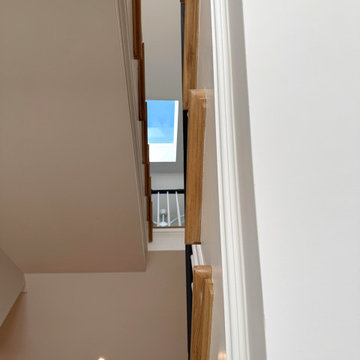
A staircase lives two lives. One as an architectural feature, and another as a functional piece of the home. This transitional design handles both with ease. Natural white oak treads flow from the hardwood floors below, making the staircase feel fundamental to the home rather than inserted into it. White painted risers and pin balusters keep the composition light and open, letting natural light move freely through the space.
The glossy black handrail and newels add an edge to the design, creating definition against the white paint and warm oak elements. Tying it together, the over-the-post balustrade creates a flowing line that draws the eye up. A staircase that doesn't demand attention, but rewards those who pause to notice it.
1976-2026 © Century Stair Company
 Mayflower Construction Group
How to Tell When a Design Trend is Timeless
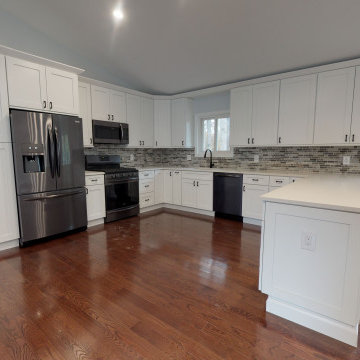
Design trends come and go, but some styles withstand the test of time. Whether in architecture, interior design, or branding, timeless design is one that remains relevant and appealing for decades. But how can you tell if a trend is truly timeless or just a fleeting fad? Here are key indicators to help you identify designs that will never go out of style.
1. Simplicity Over Complexity
Timeless designs are often clean, simple, and functional. They avoid excessive ornamentation or gimmicky elements that might feel outdated in a few years. Classic materials, neutral color palettes, and well-balanced proportions contribute to a look that remains fresh over time.
2. Rooted in Functionality
If a design prioritizes function as much as form, it is more likely to endure. Practicality and usability should be at the core, ensuring that the design continues to serve its purpose efficiently. In construction, for example, well-planned layouts and durable materials contribute to long-lasting appeal.
3. Inspired by Nature
Natural elements, such as stone, wood, and earth tones, have always been a staple of timeless design. Since nature itself is everlasting, incorporating organic textures and colors helps create a look that never feels outdated.
4. Influenced by History, Not Hype
Timeless designs often take cues from historical influences that have proven their longevity. Architectural styles like mid-century modern, classical, and industrial remain relevant because they have strong foundations in design principles rather than passing fads.
5. Balanced and Harmonious Composition
Good design follows fundamental principles such as symmetry, proportion, and scale. If a trend maintains a sense of balance and harmony, it’s more likely to stand the test of time. Designs that feel chaotic or unbalanced tend to fade quickly as they become overwhelming or impractical.
6. Adaptability Across Different Eras
A timeless design is versatile enough to blend with evolving styles and trends. Whether paired with modern elements or classic details, it should integrate seamlessly without looking out of place.
7. Enduring Materials and Craftsmanship
Materials and craftsmanship play a major role in a design’s longevity. High-quality materials like marble, hardwood, and concrete age beautifully, while cheap, synthetic alternatives often deteriorate and lose appeal. Investing in quality ensures a long-lasting impact.
8. Avoiding Overly Trendy Details
Fads are often characterized by extreme variations in color, form, or material. If a design heavily relies on a specific moment’s aesthetic (like neon colors in the '80s or millennial pink in the 2010s), it will likely feel outdated once the hype fades.
9. Emotional Connection and Comfort
Timeless design tends to evoke a sense of comfort, nostalgia, or familiarity. Whether in architecture, web design, or fashion, people gravitate toward designs that make them feel at ease and connected to something meaningful.
Conclusion
The key to identifying a timeless design trend is recognizing qualities that prioritize longevity, function, and balance over fleeting hype. Whether designing a website, a home, or a brand identity, choosing elements that are simple, high-quality, and adaptable will ensure lasting appeal.
Do you want a design that stands the test of time? Let’s create something that never goes out of style!
 Century Stair Company
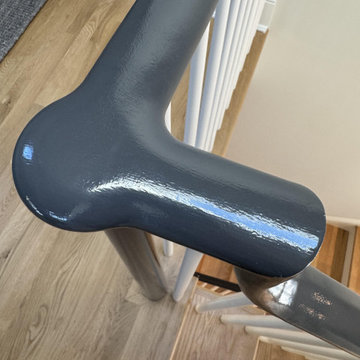
A staircase lives two lives. One as an architectural feature, and another as a functional piece of the home. This transitional design handles both with ease. Natural white oak treads flow from the hardwood floors below, making the staircase feel fundamental to the home rather than inserted into it. White painted risers and pin balusters keep the composition light and open, letting natural light move freely through the space.
The glossy black handrail and newels add an edge to the design, creating definition against the white paint and warm oak elements. Tying it together, the over-the-post balustrade creates a flowing line that draws the eye up. A staircase that doesn't demand attention, but rewards those who pause to notice it.
1976-2026 © Century Stair Company
8