
Search results for "Hydrate" in Home Design Ideas


 Sadie & Co
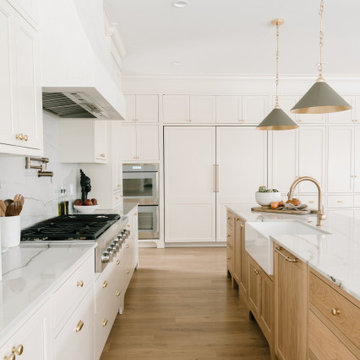
Large transitional galley light wood floor and brown floor eat-in kitchen photo in Salt Lake City with a farmhouse sink, beaded inset cabinets, light wood cabinets, marble countertops, white backsplash, marble backsplash, paneled appliances, two islands and white countertops

 Cathie Hong Interiors
This builder-grade townhome got a cosmetic makeover from head to toe, complete with new fixtures, millwork, flooring & furniture.
Bedroom - large scandinavian master light wood floor, brown floor and vaulted ceiling bedroom idea in San Francisco with white walls
Bedroom - large scandinavian master light wood floor, brown floor and vaulted ceiling bedroom idea in San Francisco with white walls
Find the right local pro for your project

 Bethesda Garden Design llc
Annabelle hydrangeas bloom all summer long by the secret garden.
Inspiration for a large farmhouse partial sun backyard stone formal garden in DC Metro.
Inspiration for a large farmhouse partial sun backyard stone formal garden in DC Metro.



 Suzanne Nichols Design Group, Inc.
This fun kids nautical themed bedroom includes 6 custom designed bunk beds that each have their own USB, light and power source.
Example of a bedroom beach style gender-neutral light wood floor kids' bedroom design in Orlando with white walls
Example of a bedroom beach style gender-neutral light wood floor kids' bedroom design in Orlando with white walls

 FormLA Landscaping
If one plant can save LA on its own, it might be our native oak trees. Dense leathery leaves retain moisture in drought and hold hydration longer in high heat. They provide deep shade to cool a property and are a key tool for creating a fire wise landscape. They are also the sole or preferred habitat for many native birds and other fauna. While this species doesn't bloom, it's leaf growth is every bit as charming as a flower. Photo: Lesly Hall Photography

 Margot Hartford Photography
Photo: Margot Hartford © 2018 Houzz
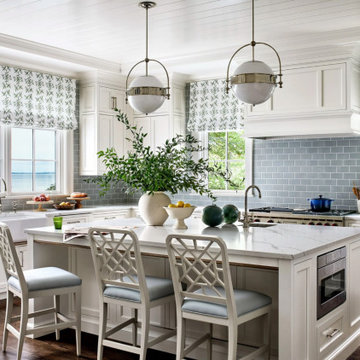
Inspiration for a coastal kitchen remodel in San Francisco
Inspiration for a coastal kitchen remodel in San Francisco
 Interior Enhancement Group
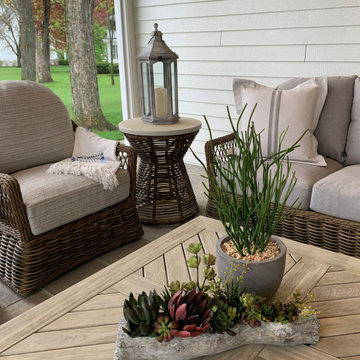
We’re crazy about succulent arrangements! You might remember these thick-stemmed plants from the 70s, but we Americans have had an on-and-off love affair with succulents dating back to the 18th century. Today, the Millennials have spurred a big comeback for these plants, for many reasons. Succulents are hardy and they don’t need a lot of care. They can tolerate small amounts of water, in case you occasionally forget to hydrate them. Most of them don’t grow quickly, so they don’t require much space and you won’t have to transplant them often. Succulents don’t need much pruning, if any, and of course, they are so pretty and unusual looking! Planting them in a piece of dried wood only amplifies the organic vibe.

 D&G Construction
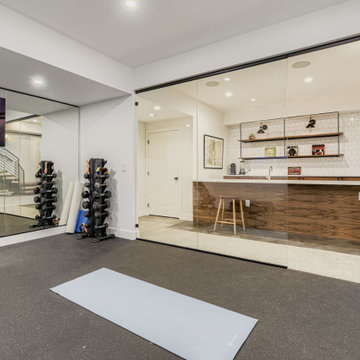
This thoughtfully designed lower-level home gym combines functionality with a sleek, modern aesthetic. Glass walls create a seamless flow between the workout area and the adjacent entertainment space, allowing natural light to brighten the room while maintaining sound separation.
The space is fully outfitted with rubber gym flooring, a wall-mounted mirror for form-checking, and essential fitness equipment including a TRUE elliptical, adjustable bench, free weights, TRX straps, and a yoga mat zone for stretching or core work. A large wall-mounted TV adds both entertainment and the option for guided virtual workouts.
Just steps from the gym, a cozy lounge with a gas fireplace and plush sectional provides the perfect post-workout recovery zone. A stylish built-in bar with floating shelves and woodgrain cabinetry adds a touch of luxury and practicality, ideal for hydration or hosting guests.
This project is a perfect example of how a basement can be transformed into a multi-functional wellness and entertainment hub that feels just as polished as the main living areas.

 GEORGIA DIRECT CARPET INC
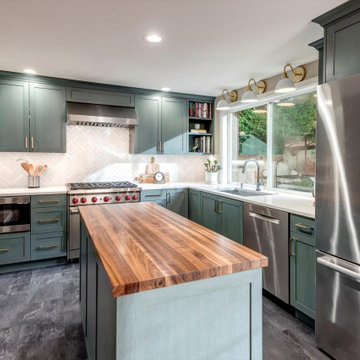
Mid-sized beach style l-shaped gray floor eat-in kitchen photo with a drop-in sink, recessed-panel cabinets, gray cabinets, green backsplash, glass tile backsplash, stainless steel appliances, a peninsula and quartz countertops
 FormLA Landscaping
Several steps were taken to minimize the risk of the deck igniting. Embers like to collect under decks where they can use collected leaf litter as fuel to gain enough heat to burn wood. We prevent that by sealing off the under-side of the deck with concrete hardy board. Next, two layers of irrigated and compost-mulched native, hydration-holding foliage defends the deck from embers. The beautiful, dense oak tree canopy on the right of this photo is the deck's greatest defense, protecting both the top and under deck from flying embers. Photo: Lesly Hall Photography
 John
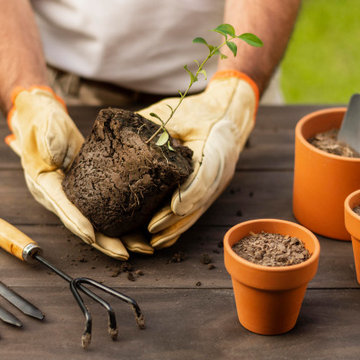
Coco coir is a versatile and sustainable growing medium that is gaining popularity among gardeners. Made from the fibrous husk of coconuts, it’s an eco-friendly alternative to peat moss and can greatly enhance the quality of your soil. In gardening, it is often utilized in systems like Coco Coir Hydroponic, where it helps create an efficient water and nutrient delivery system.
What is Coco Coir?
Coco coir is a natural fiber extracted from coconut husks. It has a neutral pH, excellent water retention, and is reusable, making it a favorite among gardeners who prefer organic and sustainable practices. It is available in different forms such as blocks, bricks, or loose coir, each requiring some preparation before use in gardening.
Benefits of Using Coco Coir in Gardening
Coco coir offers several advantages for gardening. Here are the benefits of using coco coir in gardening:
Holds up to 10 times its weight in water, ensuring plants have consistent moisture.
Promotes oxygen flow to plant roots, leading to healthier root systems.
Coco coir is a renewable and eco-friendly alternative to peat moss.
It can be washed, rehydrated, and reused, reducing waste.
Naturally pH neutral, making it suitable for various plants without major adjustments.
Enhances the texture and moisture retention of garden soil.
How to Prepare Coco Coir for Planting
Preparing coco coir for planting involves a few essential steps. First, you need to hydrate the coir block, as it typically comes in a compressed form. Place the block in a large container and add warm water, allowing the block to expand and absorb the water. Once fully expanded, the coir should be fluffed up by breaking it apart with your hands or a tool to ensure it becomes loose and airy. After the coir has been fluffed, it is important to drain any excess water, as overly wet coir can lead to root suffocation. Finally, since coco coir is inert and does not contain nutrients, it’s a good idea to add organic compost or liquid fertilizer to enrich the coir before planting.
Do You Need to Soak Coco Coir Before Planting?
Yes, soaking coco coir before planting is necessary. Since it comes in a compressed form, it needs to be broken down and hydrated for proper use. The soaking process allows the coir to expand and release the fibers, making it usable as a growing medium. After soaking, the coir should be fluffed to ensure the water is evenly distributed. Draining any excess water is crucial because overly wet coir may impede plant root health.
How to Prepare Coco Peat for Planting
Coco peat, a fine, powdery form of coco coir, is highly beneficial for seed starting and improving water retention in soil. To prepare coco peat, it first needs to be hydrated, similar to how you prepare coir blocks. Slowly add water to the peat in a container and allow it to absorb and fluff up. Once hydrated, coco peat can be used on its own or mixed with other growing media such as perlite or vermiculite for added aeration and drainage. It is advisable to check the pH level of your final mix, as coco peat generally has a neutral pH, but adjustments may be necessary depending on the plants being grown.
Can You Use Just Coco Coir for Plants?
Yes, coco coir can be used by itself to grow plants, especially in hydroponic systems or as a seed-starting medium. However, because coco coir does not naturally contain nutrients, you will need to provide regular fertilizer to support plant growth. This makes it particularly suitable for plants grown in controlled environments, such as hydroponics, where nutrient solutions can be carefully managed. In traditional soil-based gardening, mixing coco coir with other organic materials like compost is recommended to provide essential nutrients and improve the overall soil structure.
How to Use Coco Coir in Hydroponics
Coco coir is widely used in hydroponic systems due to its water retention and aeration properties. To use coco coir in hydroponics, it first needs to be soaked and hydrated, as discussed earlier. Once the coir is fully prepared, it can be placed in the hydroponic system. Since coco coir does not contain natural nutrients, you will need to supply a balanced nutrient solution tailored for hydroponic plants. Regular monitoring of water and nutrient levels is essential to prevent nutrient imbalances or root rot. One of the benefits of coco coir in hydroponics is its reusability. After completing a growing cycle, the coir can be washed, rehydrated, and used again in future plantings.
Using Coco Coir as a Soil Amendment
Coco coir is also an excellent soil amendment, as it improves the texture and moisture retention of garden soil. To use coco coir in this way, mix loose coir with your existing garden soil at a ratio of one part coco coir to two parts soil. This will help retain moisture without compacting the soil, improving both water drainage and root growth. For optimal results, you can also add organic compost to the mix, ensuring that the nutrient levels are sufficient for plant growth. Coco coir works particularly well in raised beds, where it helps maintain proper soil structure over time.
Advantages of Using Coco Coir Over Peat Moss
While peat moss has been traditionally used as a growing medium, coco coir offers several advantages over it. Coco coir is a renewable resource, as it is a byproduct of coconut processing, while peat moss is harvested from peat bogs that take centuries to regenerate. Coco coir is also more durable, as it can be reused multiple times without breaking down, while peat moss disintegrates after a single use. Another key benefit is its neutral pH, whereas peat moss is more acidic and may require balancing to meet the needs of specific plants.
Conclusion
Coco coir is a highly versatile and sustainable growing medium that benefits both novice and experienced gardeners alike. Whether you are using it for hydroponics, as a soil amendment, or as a standalone medium for growing plants, knowing how to properly prepare and use it is key to maximizing its benefits. By following the steps detailed above, you can improve water retention, aeration, and overall plant health in your garden, all while contributing to eco-friendly gardening practices.
 D&G Construction
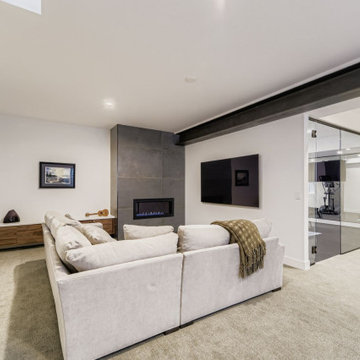
This thoughtfully designed lower-level home gym combines functionality with a sleek, modern aesthetic. Glass walls create a seamless flow between the workout area and the adjacent entertainment space, allowing natural light to brighten the room while maintaining sound separation.
The space is fully outfitted with rubber gym flooring, a wall-mounted mirror for form-checking, and essential fitness equipment including a TRUE elliptical, adjustable bench, free weights, TRX straps, and a yoga mat zone for stretching or core work. A large wall-mounted TV adds both entertainment and the option for guided virtual workouts.
Just steps from the gym, a cozy lounge with a gas fireplace and plush sectional provides the perfect post-workout recovery zone. A stylish built-in bar with floating shelves and woodgrain cabinetry adds a touch of luxury and practicality, ideal for hydration or hosting guests.
This project is a perfect example of how a basement can be transformed into a multi-functional wellness and entertainment hub that feels just as polished as the main living areas.

 Davis Home Pros
Inspiration for a mid-sized 1960s 3/4 blue tile and subway tile home design remodel in San Francisco with shaker cabinets, medium tone wood cabinets, a two-piece toilet, white walls, an undermount sink and quartz countertops
 D&G Construction
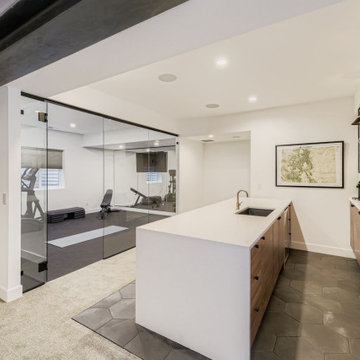
This thoughtfully designed lower-level home gym combines functionality with a sleek, modern aesthetic. Glass walls create a seamless flow between the workout area and the adjacent entertainment space, allowing natural light to brighten the room while maintaining sound separation.
The space is fully outfitted with rubber gym flooring, a wall-mounted mirror for form-checking, and essential fitness equipment including a TRUE elliptical, adjustable bench, free weights, TRX straps, and a yoga mat zone for stretching or core work. A large wall-mounted TV adds both entertainment and the option for guided virtual workouts.
Just steps from the gym, a cozy lounge with a gas fireplace and plush sectional provides the perfect post-workout recovery zone. A stylish built-in bar with floating shelves and woodgrain cabinetry adds a touch of luxury and practicality, ideal for hydration or hosting guests.
This project is a perfect example of how a basement can be transformed into a multi-functional wellness and entertainment hub that feels just as polished as the main living areas.
 D&G Construction
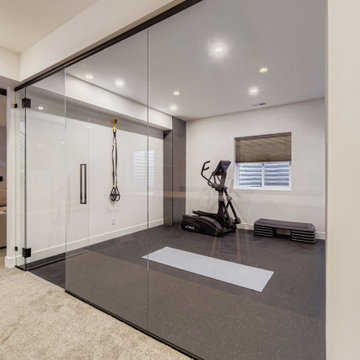
This thoughtfully designed lower-level home gym combines functionality with a sleek, modern aesthetic. Glass walls create a seamless flow between the workout area and the adjacent entertainment space, allowing natural light to brighten the room while maintaining sound separation.
The space is fully outfitted with rubber gym flooring, a wall-mounted mirror for form-checking, and essential fitness equipment including a TRUE elliptical, adjustable bench, free weights, TRX straps, and a yoga mat zone for stretching or core work. A large wall-mounted TV adds both entertainment and the option for guided virtual workouts.
Just steps from the gym, a cozy lounge with a gas fireplace and plush sectional provides the perfect post-workout recovery zone. A stylish built-in bar with floating shelves and woodgrain cabinetry adds a touch of luxury and practicality, ideal for hydration or hosting guests.
This project is a perfect example of how a basement can be transformed into a multi-functional wellness and entertainment hub that feels just as polished as the main living areas.
 D&G Construction
This thoughtfully designed lower-level home gym combines functionality with a sleek, modern aesthetic. Glass walls create a seamless flow between the workout area and the adjacent entertainment space, allowing natural light to brighten the room while maintaining sound separation.
The space is fully outfitted with rubber gym flooring, a wall-mounted mirror for form-checking, and essential fitness equipment including a TRUE elliptical, adjustable bench, free weights, TRX straps, and a yoga mat zone for stretching or core work. A large wall-mounted TV adds both entertainment and the option for guided virtual workouts.
Just steps from the gym, a cozy lounge with a gas fireplace and plush sectional provides the perfect post-workout recovery zone. A stylish built-in bar with floating shelves and woodgrain cabinetry adds a touch of luxury and practicality, ideal for hydration or hosting guests.
This project is a perfect example of how a basement can be transformed into a multi-functional wellness and entertainment hub that feels just as polished as the main living areas.
13