
Search results for "Lilac nursery" in Home Design Ideas
 User
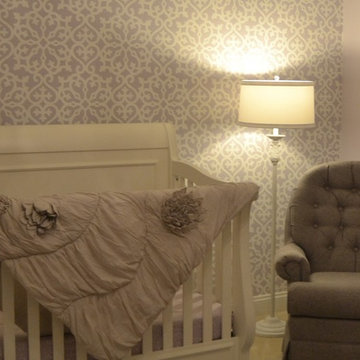
UserMid-sized transitional girl carpeted and beige floor nursery photo in Philadelphia with gray walls

 Artrageous-ART.com
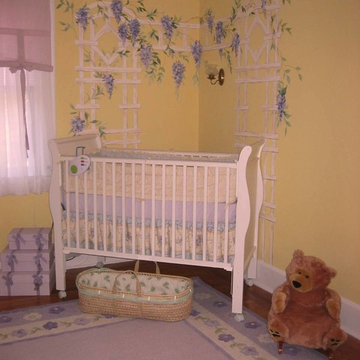
Nursery Mural painted in little girl's room. Wisteria vines painted on a trellis above baby crib area.
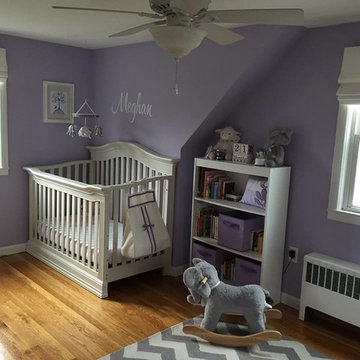
Kids' room - traditional kids' room idea in Raleigh
Kids' room - traditional kids' room idea in Raleigh
Find the right local pro for your project
 J & J Design Group, LLC.
John Woodcock Photography
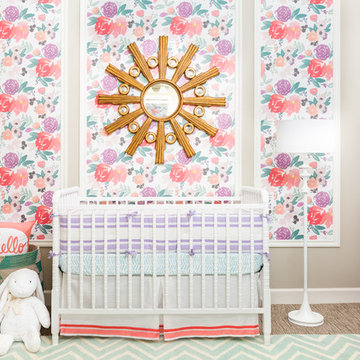
Mid-sized transitional girl carpeted kids' room photo in Phoenix with beige walls
Mid-sized transitional girl carpeted kids' room photo in Phoenix with beige walls
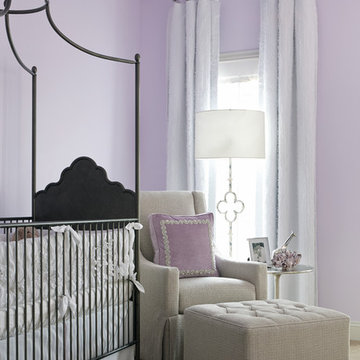
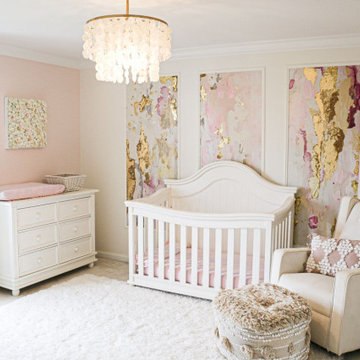
 Vivian Ferne
"Mimosa" is a sophisticated combination of blushes, coral, lilac, beige, white, and gold. Perfect for bedrooms, powder room wallpaper or a hallway, this print will certainly make a dramatic accent wall. Stark shapes and soft colors make our wall mural the perfect eye opening decal or traditional wallpaper for your space. Create real gold tones with the complimentary kit to transfer gold leaf onto the abstract, digital printed design. The "Mimosa" mural is an original Blueberry Glitter painting converted into a large format wall mural.
 Cording Landscape Design
Alan & Linda Detrick Photography
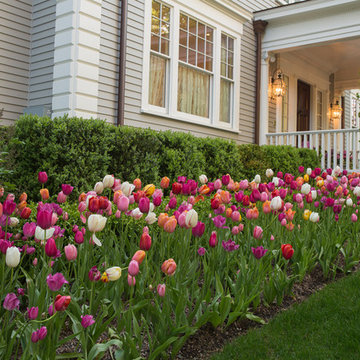
This is an example of a traditional front yard flower bed in New York for spring.
This is an example of a traditional front yard flower bed in New York for spring.
Sponsored
Westerville, OH

Inspired Closets Columbus
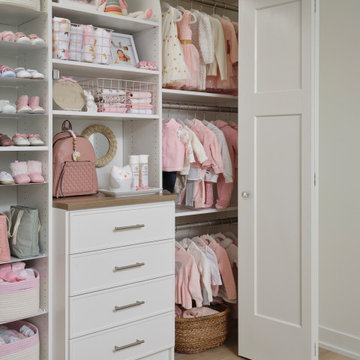
Innovative & Creative Custom Closet Designer Servicing Franklin County
 Red Leaf Interiors, LLC
Reid Rolls Photography
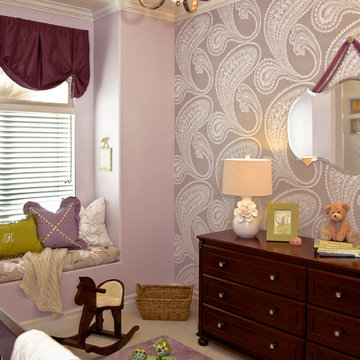
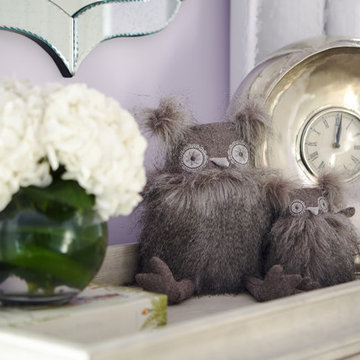
Inspiration for a transitional kids' room remodel in Nashville
Inspiration for a transitional kids' room remodel in Nashville
 Hillside Nurseries
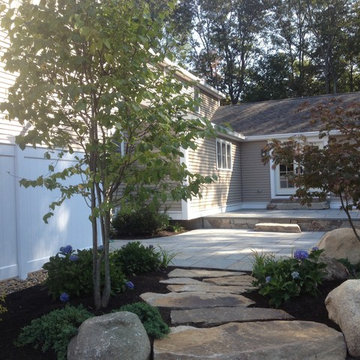
A private retreat created with traditional and asian influences........with a dash of the Cape too boot!
Inspiration for a timeless patio remodel in Boston
Inspiration for a timeless patio remodel in Boston
 User
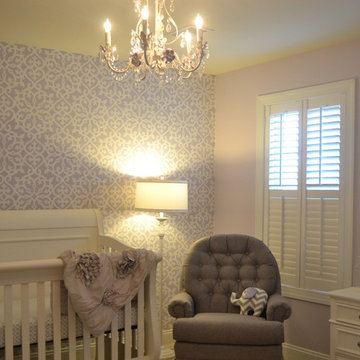
UserInspiration for a mid-sized transitional girl carpeted and beige floor nursery remodel in Philadelphia with gray walls
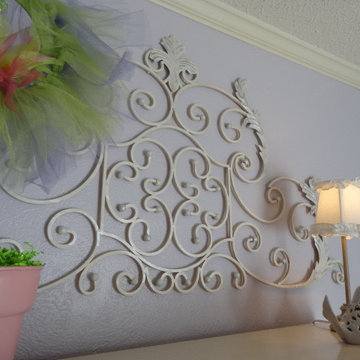

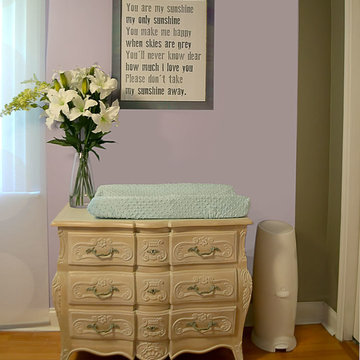
 A Jolie Design, Inc.
Inspiration for a mid-sized modern girl light wood floor nursery remodel in Miami with purple walls

Sponsored
Westerville, OH
Inspired Closets Columbus
Innovative & Creative Custom Closet Designer Servicing Franklin County

 Integrity Tree Care & Grounds Maintenance
Facts About ButterfliesDifferent Types Of Butterflies And Butterfly Facts
Natural butterfly habitats have been destroyed or affected by construction of housing and shopping developments, as well as by the use of pesticides and other chemicals. You can provide a suitable butterfly habitat that will help fortify the butterfly population, and as an added bonus, the habitat will bring you enjoyment in watching beautiful butterflies in your yard.
The butterfly habitat should be relatively sunny (5-6 hours per day) and out of the wind. Butterflies can get their required nutrients and minerals from a mud puddle in a sunny area. A successful butterfly habitat will contain the plants favored by both caterpillars and butterflies. This means that you should include plants like Queen Anne’s Lace, violets, marigolds, and maybe even milkweed for the caterpillars to eat, since they are able to chew their food. In particular, monarch caterpillars eat milkweed because it makes them an unpleasant-tasting meal to predators. For the butterflies, which are able to suck and are unable to chew, you should include nectar plants with different colors of flowers, such as zinnias, lilacs, and the butterfly bush.
Butterfly habitats should last all summer, meaning that you should select plants that bloom at different times so that something is always blooming. You might be able to take inspiration in your planting selections from a butterfly garden or inside a butterfly house if you are lucky to live close enough to one of these carefully planned attractions. Often, landscapers and nursery employees will be able to advise you as to what possible additions to your butterfly habitat will grow well in your area.
Copyright © Facts About Butterflies | All Rights Reserved.
Content provided and copywritten by http://factsaboutbutterflies.net
 Monika Ross
Photography: Monika Ross
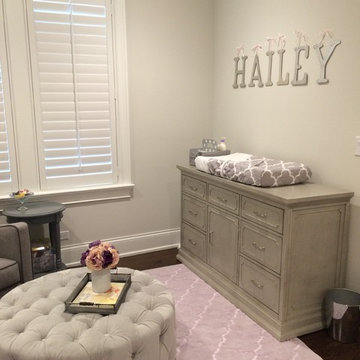
Mid-sized cottage chic girl dark wood floor nursery photo in Chicago with gray walls
Mid-sized cottage chic girl dark wood floor nursery photo in Chicago with gray walls
 Integrity Tree Care & Grounds Maintenance
Facts About ButterfliesDifferent Types Of Butterflies And Butterfly Facts
Natural butterfly habitats have been destroyed or affected by construction of housing and shopping developments, as well as by the use of pesticides and other chemicals. You can provide a suitable butterfly habitat that will help fortify the butterfly population, and as an added bonus, the habitat will bring you enjoyment in watching beautiful butterflies in your yard.
The butterfly habitat should be relatively sunny (5-6 hours per day) and out of the wind. Butterflies can get their required nutrients and minerals from a mud puddle in a sunny area. A successful butterfly habitat will contain the plants favored by both caterpillars and butterflies. This means that you should include plants like Queen Anne’s Lace, violets, marigolds, and maybe even milkweed for the caterpillars to eat, since they are able to chew their food. In particular, monarch caterpillars eat milkweed because it makes them an unpleasant-tasting meal to predators. For the butterflies, which are able to suck and are unable to chew, you should include nectar plants with different colors of flowers, such as zinnias, lilacs, and the butterfly bush.
Butterfly habitats should last all summer, meaning that you should select plants that bloom at different times so that something is always blooming. You might be able to take inspiration in your planting selections from a butterfly garden or inside a butterfly house if you are lucky to live close enough to one of these carefully planned attractions. Often, landscapers and nursery employees will be able to advise you as to what possible additions to your butterfly habitat will grow well in your area.
Copyright © Facts About Butterflies | All Rights Reserved.
Content provided and copywritten by http://factsaboutbutterflies.net
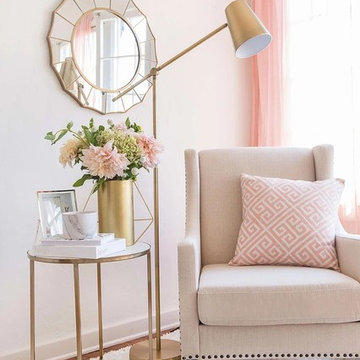
 SULAIMAN DESIGN STUDIO
Pink setting - the idea of harmonious combination
Professional designers with full responsibility approach to registration of space, and not a rarity, to see the real masterpiece. Often, pink paints are used to decorate a children's room, kitchen space, living room, bathroom and bedroom. Bright colors charge positive.
Tip: Pink and its shades should be in the dining room without fail, especially for families with small children, as it stimulates appetite well. Crimson hue causes positive emotions and a sense of harmony. Smoky pink and pastel lilac will give an atmosphere of calm.
Bathroom in rich pink colors is ideal for romantic people. All the rest will suit less saturated shades. The comfort and attractiveness of the room will give a light pink tone.
Tip: before developing and thinking through the interior project, think about the preferences of other family members (if you do not live alone). Remember, everything should be comfortable.
The combination of bright colors
Using a combination of pink and other colors, you can create a wide variety of atmospheres:
● combination with yellow - an atmosphere of fun, lightness and celebration, recommended for the kitchen, living room and nursery;
● with green - freshness, the feeling of spring, suitable for extraordinary and active personalities;
● with white - peace and harmony, the perfect combination for relaxing after a hard day’s work;
● with turquoise - the atmosphere of great mood.
 Integrity Tree Care & Grounds Maintenance
Facts About ButterfliesDifferent Types Of Butterflies And Butterfly Facts
Natural butterfly habitats have been destroyed or affected by construction of housing and shopping developments, as well as by the use of pesticides and other chemicals. You can provide a suitable butterfly habitat that will help fortify the butterfly population, and as an added bonus, the habitat will bring you enjoyment in watching beautiful butterflies in your yard.
The butterfly habitat should be relatively sunny (5-6 hours per day) and out of the wind. Butterflies can get their required nutrients and minerals from a mud puddle in a sunny area. A successful butterfly habitat will contain the plants favored by both caterpillars and butterflies. This means that you should include plants like Queen Anne’s Lace, violets, marigolds, and maybe even milkweed for the caterpillars to eat, since they are able to chew their food. In particular, monarch caterpillars eat milkweed because it makes them an unpleasant-tasting meal to predators. For the butterflies, which are able to suck and are unable to chew, you should include nectar plants with different colors of flowers, such as zinnias, lilacs, and the butterfly bush.
Butterfly habitats should last all summer, meaning that you should select plants that bloom at different times so that something is always blooming. You might be able to take inspiration in your planting selections from a butterfly garden or inside a butterfly house if you are lucky to live close enough to one of these carefully planned attractions. Often, landscapers and nursery employees will be able to advise you as to what possible additions to your butterfly habitat will grow well in your area.
Copyright © Facts About Butterflies | All Rights Reserved.
Content provided and copywritten by http://factsaboutbutterflies.net
 A Jolie Design, Inc.
Nursery - mid-sized modern girl light wood floor nursery idea in Miami with purple walls
 Lewis and Rose Interiors
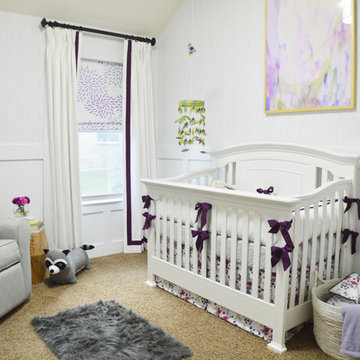
Inspiration for a transitional girl nursery remodel in Dallas with white walls
4