
Search results for "Lilac nursery" in Home Design Ideas

 A Jolie Design, Inc.
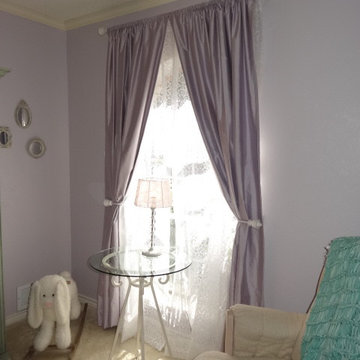
Nursery - mid-sized modern girl light wood floor nursery idea in Miami with purple walls

 Elza B. Design, Inc.
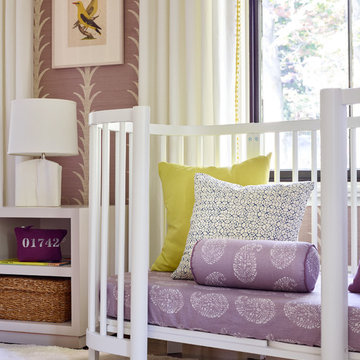
I designed a sophisticated, soothing room for a little girl. The goal was to make it whimsical enough but not so cute she could not grow into it. Notice the use of plants, animals and landscapes as a tool to create a peaceful environment. Large oil paintings evoke dreamy landscapes, the acanthus plant stripe of the grass cloth wallpaper makes one feel surrounded and safe. Birds, elephants and butterflies are part of the magical decor. Lots of texture and patterns create interest. Finally, old is blended with new (antique bird illustrations, old pine chest, modern crib, etc) to create an eclectic and inviting interior.
Photos by Jared Kuzia
Find the right local pro for your project


 Monika Ross
Photography: Monika Ross
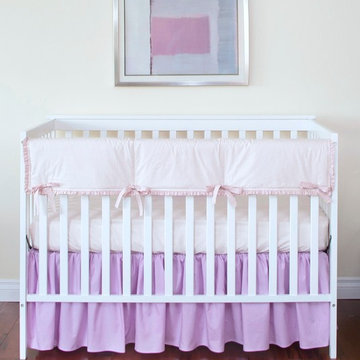
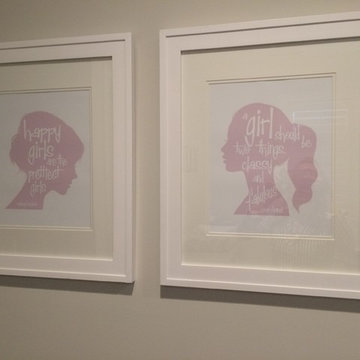
Mid-sized cottage chic girl dark wood floor nursery photo in Chicago with gray walls
Mid-sized cottage chic girl dark wood floor nursery photo in Chicago with gray walls
 Monika Ross
Photography: Monika Ross
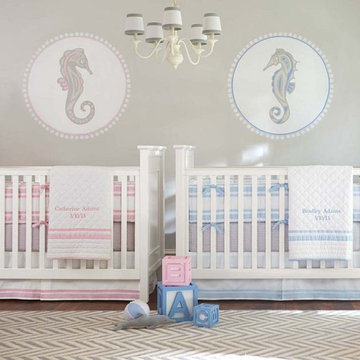
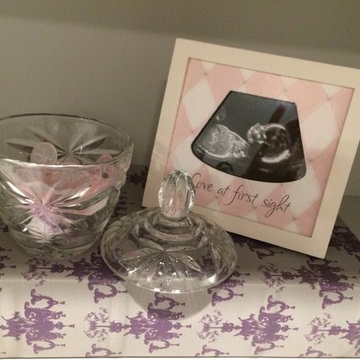
Example of a mid-sized cottage chic girl dark wood floor nursery design in Chicago with gray walls
Example of a mid-sized cottage chic girl dark wood floor nursery design in Chicago with gray walls
Sponsored
Westerville, OH

Inspired Closets Columbus
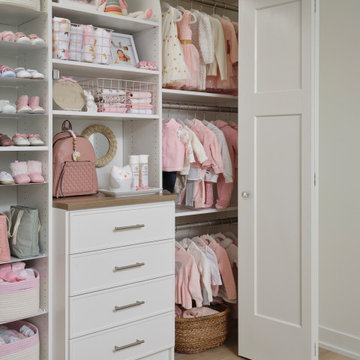
Innovative & Creative Custom Closet Designer Servicing Franklin County
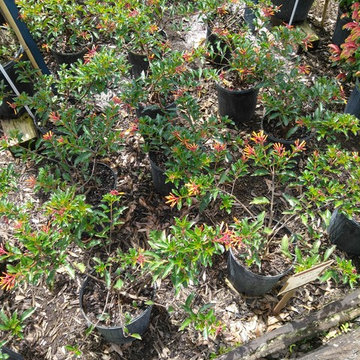
 Integrity Tree Care & Grounds Maintenance
Facts About ButterfliesDifferent Types Of Butterflies And Butterfly Facts
Natural butterfly habitats have been destroyed or affected by construction of housing and shopping developments, as well as by the use of pesticides and other chemicals. You can provide a suitable butterfly habitat that will help fortify the butterfly population, and as an added bonus, the habitat will bring you enjoyment in watching beautiful butterflies in your yard.
The butterfly habitat should be relatively sunny (5-6 hours per day) and out of the wind. Butterflies can get their required nutrients and minerals from a mud puddle in a sunny area. A successful butterfly habitat will contain the plants favored by both caterpillars and butterflies. This means that you should include plants like Queen Anne’s Lace, violets, marigolds, and maybe even milkweed for the caterpillars to eat, since they are able to chew their food. In particular, monarch caterpillars eat milkweed because it makes them an unpleasant-tasting meal to predators. For the butterflies, which are able to suck and are unable to chew, you should include nectar plants with different colors of flowers, such as zinnias, lilacs, and the butterfly bush.
Butterfly habitats should last all summer, meaning that you should select plants that bloom at different times so that something is always blooming. You might be able to take inspiration in your planting selections from a butterfly garden or inside a butterfly house if you are lucky to live close enough to one of these carefully planned attractions. Often, landscapers and nursery employees will be able to advise you as to what possible additions to your butterfly habitat will grow well in your area.
Copyright © Facts About Butterflies | All Rights Reserved.
Content provided and copywritten by http://factsaboutbutterflies.net
 Monika Ross
Photography: Monika Ross
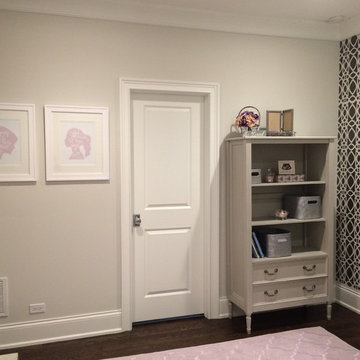
Example of a cottage chic girl dark wood floor toddler room design in Chicago with gray walls
Example of a cottage chic girl dark wood floor toddler room design in Chicago with gray walls
 Monika Ross
Photography: Monika Ross
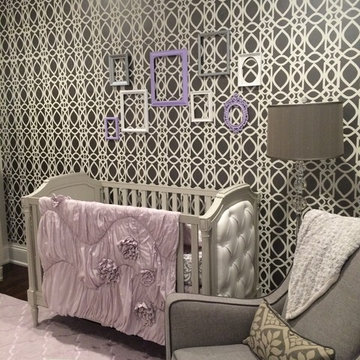
Inspiration for a mid-sized shabby-chic style girl dark wood floor nursery remodel in Chicago with gray walls
Inspiration for a mid-sized shabby-chic style girl dark wood floor nursery remodel in Chicago with gray walls
 Monika Ross
Photography: Monika Ross
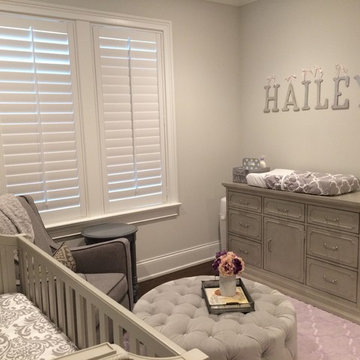
Nursery - mid-sized shabby-chic style girl dark wood floor nursery idea in Chicago with gray walls
Nursery - mid-sized shabby-chic style girl dark wood floor nursery idea in Chicago with gray walls
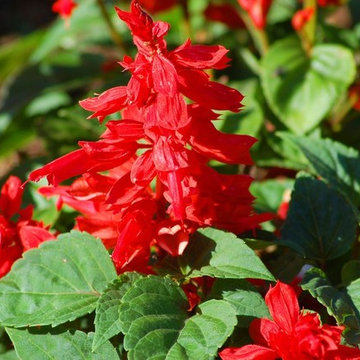 Integrity Tree Care & Grounds Maintenance
Facts About ButterfliesDifferent Types Of Butterflies And Butterfly Facts
Natural butterfly habitats have been destroyed or affected by construction of housing and shopping developments, as well as by the use of pesticides and other chemicals. You can provide a suitable butterfly habitat that will help fortify the butterfly population, and as an added bonus, the habitat will bring you enjoyment in watching beautiful butterflies in your yard.
The butterfly habitat should be relatively sunny (5-6 hours per day) and out of the wind. Butterflies can get their required nutrients and minerals from a mud puddle in a sunny area. A successful butterfly habitat will contain the plants favored by both caterpillars and butterflies. This means that you should include plants like Queen Anne’s Lace, violets, marigolds, and maybe even milkweed for the caterpillars to eat, since they are able to chew their food. In particular, monarch caterpillars eat milkweed because it makes them an unpleasant-tasting meal to predators. For the butterflies, which are able to suck and are unable to chew, you should include nectar plants with different colors of flowers, such as zinnias, lilacs, and the butterfly bush.
Butterfly habitats should last all summer, meaning that you should select plants that bloom at different times so that something is always blooming. You might be able to take inspiration in your planting selections from a butterfly garden or inside a butterfly house if you are lucky to live close enough to one of these carefully planned attractions. Often, landscapers and nursery employees will be able to advise you as to what possible additions to your butterfly habitat will grow well in your area.
Copyright © Facts About Butterflies | All Rights Reserved.
Content provided and copywritten by http://factsaboutbutterflies.net
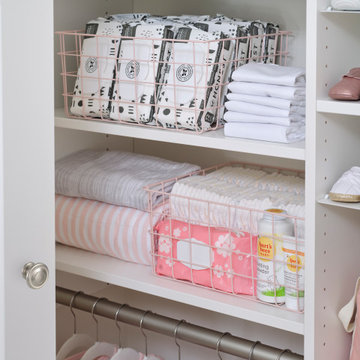
Sponsored
Westerville, OH
Inspired Closets Columbus
Innovative & Creative Custom Closet Designer Servicing Franklin County
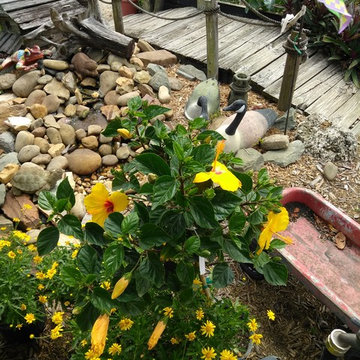 Integrity Tree Care & Grounds Maintenance
Facts About ButterfliesDifferent Types Of Butterflies And Butterfly Facts
Natural butterfly habitats have been destroyed or affected by construction of housing and shopping developments, as well as by the use of pesticides and other chemicals. You can provide a suitable butterfly habitat that will help fortify the butterfly population, and as an added bonus, the habitat will bring you enjoyment in watching beautiful butterflies in your yard.
The butterfly habitat should be relatively sunny (5-6 hours per day) and out of the wind. Butterflies can get their required nutrients and minerals from a mud puddle in a sunny area. A successful butterfly habitat will contain the plants favored by both caterpillars and butterflies. This means that you should include plants like Queen Anne’s Lace, violets, marigolds, and maybe even milkweed for the caterpillars to eat, since they are able to chew their food. In particular, monarch caterpillars eat milkweed because it makes them an unpleasant-tasting meal to predators. For the butterflies, which are able to suck and are unable to chew, you should include nectar plants with different colors of flowers, such as zinnias, lilacs, and the butterfly bush.
Butterfly habitats should last all summer, meaning that you should select plants that bloom at different times so that something is always blooming. You might be able to take inspiration in your planting selections from a butterfly garden or inside a butterfly house if you are lucky to live close enough to one of these carefully planned attractions. Often, landscapers and nursery employees will be able to advise you as to what possible additions to your butterfly habitat will grow well in your area.
Copyright © Facts About Butterflies | All Rights Reserved.
Content provided and copywritten by http://factsaboutbutterflies.net
 Monika Ross
Photography: Monika Ross
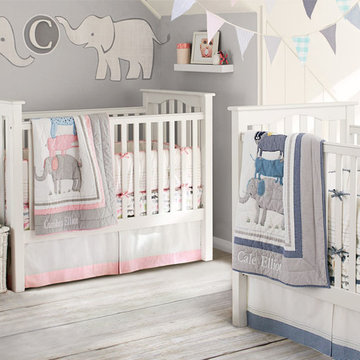
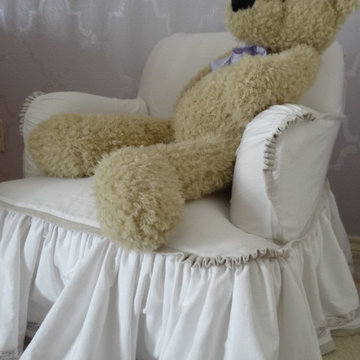
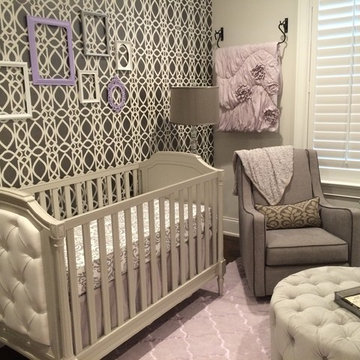
Nursery - mid-sized shabby-chic style girl dark wood floor nursery idea in Chicago with gray walls
Nursery - mid-sized shabby-chic style girl dark wood floor nursery idea in Chicago with gray walls
 Elza B. Design, Inc.
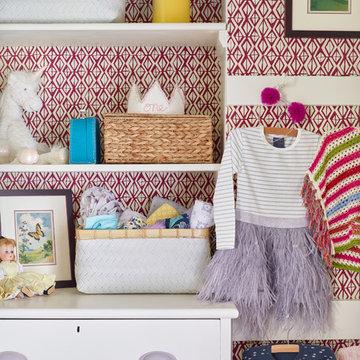
I designed a sophisticated, soothing room for a little girl. The goal was to make it whimsical enough but not so cute she could not grow into it. Notice the use of plants, animals and landscapes as a tool to create a peaceful environment. Large oil paintings evoke dreamy landscapes, the acanthus plant stripe of the grass cloth wallpaper makes one feel surrounded and safe. Birds, elephants and butterflies are part of the magical decor. Lots of texture and patterns create interest. Finally, old is blended with new (antique bird illustrations, old pine chest, modern crib, etc) to create an eclectic and inviting interior.
Photos by Jared Kuzia
 A Jolie Design, Inc.
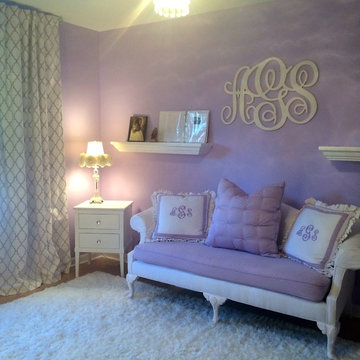
Example of a mid-sized minimalist girl light wood floor nursery design in Miami with purple walls

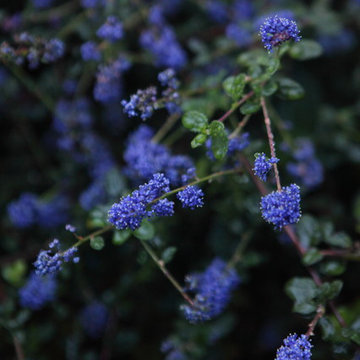
 FormLA Landscaping
Ceanothus, a California native lilac, brings a deep, fresh fragrance and eye-catching blue blooms. Find it at the Theodore Payne Foundation and Las Pilitas Nurseries.
Photos: Orly Olivier
5