
Search results for "Producing considerable" in Home Design Ideas
 Hogue Landscape Services
The concept of the garden was based on, “Brazilian Hummingbirds II”, a painting the MFAH has in its collection by the artist, Martin Johnson Heade. Heade travelled to the rainforest in Brazil between 1863 and 1864 and painted a
series of small paintings depicting hummingbirds in the lush foliage of the Brazilian rainforests. His painting, Brazilian
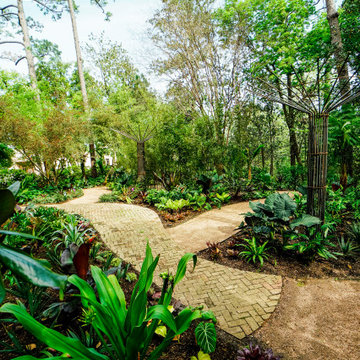
Hummingbirds, II, evokes the sultry atmosphere of the Brazilian rainforest with its misty quality and subtle lighting. His interest in ornithology can be seen in his detailed depictions of the hummingbirds. The garden location is adjacent to one of Buffalo Bayou’s steep, wooded ravines. The ravine, with its native plant communities and topography, is a perfect back-
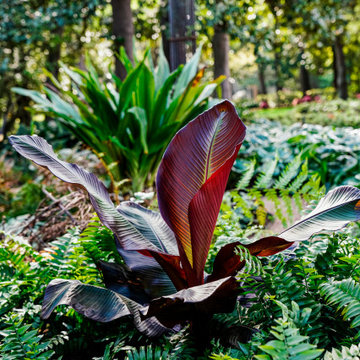
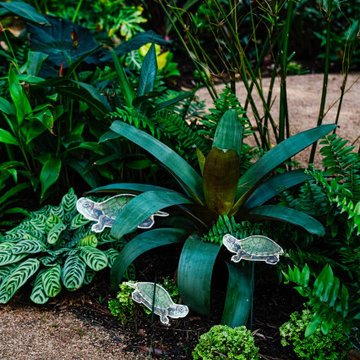
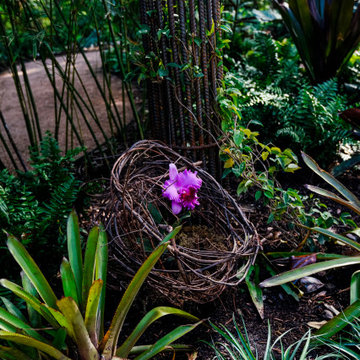
drop for a garden with a rainforest theme. Because the date for the garden opening coincides with the spring migration of hummingbirds into our region, the hummingbird theme seemed appropriate for this garden competition. The garden will include a variety of tropical plants native to the rainforests such as bromeliads, orchids, heliconia, and passion fruit flowers. In addition, native plants to our region such as the Sabal Minor and Southern Wood Fern will be included to integrate
plants that are found nearby in the ravine. The Heliconia flowers produce considerable amounts of nectar, a high energy food essential for hummingbirds who are known to consume three times their bodyweight in a single day. In addition to nectar producing plants, there will be hummingbird nest materials dispersed throughout the garden. A misty quality to the garden will be provided by a misting system, and tropical colored lights will be lit at night for special events. Visitors to the garden will have a unique sensory experience reminiscent to that of Heade’s travels to Brazil’s rainforests.
 Hogue Landscape Services
The concept of the garden was based on, “Brazilian Hummingbirds II”, a painting the MFAH has in its collection by the artist, Martin Johnson Heade. Heade travelled to the rainforest in Brazil between 1863 and 1864 and painted a
series of small paintings depicting hummingbirds in the lush foliage of the Brazilian rainforests. His painting, Brazilian
Hummingbirds, II, evokes the sultry atmosphere of the Brazilian rainforest with its misty quality and subtle lighting. His interest in ornithology can be seen in his detailed depictions of the hummingbirds. The garden location is adjacent to one of Buffalo Bayou’s steep, wooded ravines. The ravine, with its native plant communities and topography, is a perfect back-
drop for a garden with a rainforest theme. Because the date for the garden opening coincides with the spring migration of hummingbirds into our region, the hummingbird theme seemed appropriate for this garden competition. The garden will include a variety of tropical plants native to the rainforests such as bromeliads, orchids, heliconia, and passion fruit flowers. In addition, native plants to our region such as the Sabal Minor and Southern Wood Fern will be included to integrate
plants that are found nearby in the ravine. The Heliconia flowers produce considerable amounts of nectar, a high energy food essential for hummingbirds who are known to consume three times their bodyweight in a single day. In addition to nectar producing plants, there will be hummingbird nest materials dispersed throughout the garden. A misty quality to the garden will be provided by a misting system, and tropical colored lights will be lit at night for special events. Visitors to the garden will have a unique sensory experience reminiscent to that of Heade’s travels to Brazil’s rainforests.
 Hogue Landscape Services
The concept of the garden was based on, “Brazilian Hummingbirds II”, a painting the MFAH has in its collection by the artist, Martin Johnson Heade. Heade travelled to the rainforest in Brazil between 1863 and 1864 and painted a
series of small paintings depicting hummingbirds in the lush foliage of the Brazilian rainforests. His painting, Brazilian
Hummingbirds, II, evokes the sultry atmosphere of the Brazilian rainforest with its misty quality and subtle lighting. His interest in ornithology can be seen in his detailed depictions of the hummingbirds. The garden location is adjacent to one of Buffalo Bayou’s steep, wooded ravines. The ravine, with its native plant communities and topography, is a perfect back-
drop for a garden with a rainforest theme. Because the date for the garden opening coincides with the spring migration of hummingbirds into our region, the hummingbird theme seemed appropriate for this garden competition. The garden will include a variety of tropical plants native to the rainforests such as bromeliads, orchids, heliconia, and passion fruit flowers. In addition, native plants to our region such as the Sabal Minor and Southern Wood Fern will be included to integrate
plants that are found nearby in the ravine. The Heliconia flowers produce considerable amounts of nectar, a high energy food essential for hummingbirds who are known to consume three times their bodyweight in a single day. In addition to nectar producing plants, there will be hummingbird nest materials dispersed throughout the garden. A misty quality to the garden will be provided by a misting system, and tropical colored lights will be lit at night for special events. Visitors to the garden will have a unique sensory experience reminiscent to that of Heade’s travels to Brazil’s rainforests.
Find the right local pro for your project
 Hogue Landscape Services
The concept of the garden was based on, “Brazilian Hummingbirds II”, a painting the MFAH has in its collection by the artist, Martin Johnson Heade. Heade travelled to the rainforest in Brazil between 1863 and 1864 and painted a
series of small paintings depicting hummingbirds in the lush foliage of the Brazilian rainforests. His painting, Brazilian
Hummingbirds, II, evokes the sultry atmosphere of the Brazilian rainforest with its misty quality and subtle lighting. His interest in ornithology can be seen in his detailed depictions of the hummingbirds. The garden location is adjacent to one of Buffalo Bayou’s steep, wooded ravines. The ravine, with its native plant communities and topography, is a perfect back-
drop for a garden with a rainforest theme. Because the date for the garden opening coincides with the spring migration of hummingbirds into our region, the hummingbird theme seemed appropriate for this garden competition. The garden will include a variety of tropical plants native to the rainforests such as bromeliads, orchids, heliconia, and passion fruit flowers. In addition, native plants to our region such as the Sabal Minor and Southern Wood Fern will be included to integrate
plants that are found nearby in the ravine. The Heliconia flowers produce considerable amounts of nectar, a high energy food essential for hummingbirds who are known to consume three times their bodyweight in a single day. In addition to nectar producing plants, there will be hummingbird nest materials dispersed throughout the garden. A misty quality to the garden will be provided by a misting system, and tropical colored lights will be lit at night for special events. Visitors to the garden will have a unique sensory experience reminiscent to that of Heade’s travels to Brazil’s rainforests.
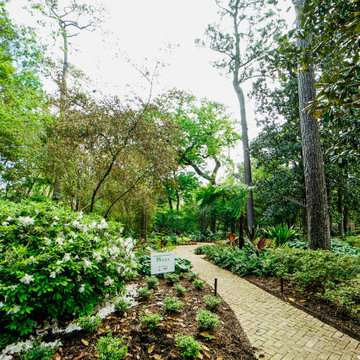 Hogue Landscape Services
The concept of the garden was based on, “Brazilian Hummingbirds II”, a painting the MFAH has in its collection by the artist, Martin Johnson Heade. Heade travelled to the rainforest in Brazil between 1863 and 1864 and painted a
series of small paintings depicting hummingbirds in the lush foliage of the Brazilian rainforests. His painting, Brazilian
Hummingbirds, II, evokes the sultry atmosphere of the Brazilian rainforest with its misty quality and subtle lighting. His interest in ornithology can be seen in his detailed depictions of the hummingbirds. The garden location is adjacent to one of Buffalo Bayou’s steep, wooded ravines. The ravine, with its native plant communities and topography, is a perfect back-
drop for a garden with a rainforest theme. Because the date for the garden opening coincides with the spring migration of hummingbirds into our region, the hummingbird theme seemed appropriate for this garden competition. The garden will include a variety of tropical plants native to the rainforests such as bromeliads, orchids, heliconia, and passion fruit flowers. In addition, native plants to our region such as the Sabal Minor and Southern Wood Fern will be included to integrate
plants that are found nearby in the ravine. The Heliconia flowers produce considerable amounts of nectar, a high energy food essential for hummingbirds who are known to consume three times their bodyweight in a single day. In addition to nectar producing plants, there will be hummingbird nest materials dispersed throughout the garden. A misty quality to the garden will be provided by a misting system, and tropical colored lights will be lit at night for special events. Visitors to the garden will have a unique sensory experience reminiscent to that of Heade’s travels to Brazil’s rainforests.
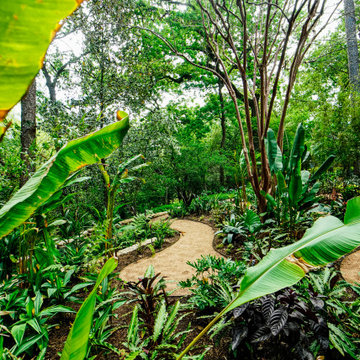 Hogue Landscape Services
The concept of the garden was based on, “Brazilian Hummingbirds II”, a painting the MFAH has in its collection by the artist, Martin Johnson Heade. Heade travelled to the rainforest in Brazil between 1863 and 1864 and painted a
series of small paintings depicting hummingbirds in the lush foliage of the Brazilian rainforests. His painting, Brazilian
Hummingbirds, II, evokes the sultry atmosphere of the Brazilian rainforest with its misty quality and subtle lighting. His interest in ornithology can be seen in his detailed depictions of the hummingbirds. The garden location is adjacent to one of Buffalo Bayou’s steep, wooded ravines. The ravine, with its native plant communities and topography, is a perfect back-
drop for a garden with a rainforest theme. Because the date for the garden opening coincides with the spring migration of hummingbirds into our region, the hummingbird theme seemed appropriate for this garden competition. The garden will include a variety of tropical plants native to the rainforests such as bromeliads, orchids, heliconia, and passion fruit flowers. In addition, native plants to our region such as the Sabal Minor and Southern Wood Fern will be included to integrate
plants that are found nearby in the ravine. The Heliconia flowers produce considerable amounts of nectar, a high energy food essential for hummingbirds who are known to consume three times their bodyweight in a single day. In addition to nectar producing plants, there will be hummingbird nest materials dispersed throughout the garden. A misty quality to the garden will be provided by a misting system, and tropical colored lights will be lit at night for special events. Visitors to the garden will have a unique sensory experience reminiscent to that of Heade’s travels to Brazil’s rainforests.

 Amanda Martocchio Architecture
Time had stood still at this 1970s ranch in Armonk when the owners invited us to collaborate with them to transform it into a modern, light-filled home for their young family. The budget was lean, so economy was a primary consideration for every design decision. The challenge was to identify the modest home’s virtues – vaulted ceilings and a lovely backyard – and accentuate them by strategically optimizing available funds.
We were tasked with rectifying a dysfunctional interior stair, connecting to the outdoors with new large windows, and updating the exterior. We focused our attention on a finite set of architectural moves which would have the biggest impact and improve our clients’ daily experience of the home. Detailing was kept simple, using common grade materials and standard components. All exterior walls were revamped with new windows and siding. Although these materials were not particularly costly, thoughtful layout of boards, battens, and openings produced a cohesive, rigorous composition at each facade.
Since the budget would not cover the homeowners’ complete wish list, some items were bracketed for subsequent phases. The challenge was to establish a framework that would allow future work – including a new roof and kitchen renovation – to proceed smoothly.
The homeowners, both scientists, were enthusiastic collaborators, contributing their outstanding design sensibilities to selection of fixtures and finishes. Construction ended just in time for the arrival of their baby – and with that, the transformation of their family home was complete.
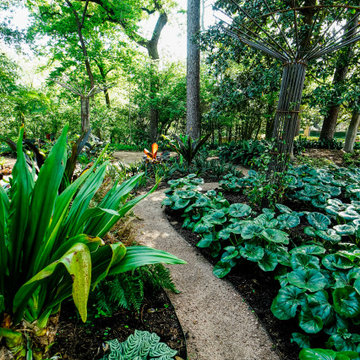 Hogue Landscape Services
The concept of the garden was based on, “Brazilian Hummingbirds II”, a painting the MFAH has in its collection by the artist, Martin Johnson Heade. Heade travelled to the rainforest in Brazil between 1863 and 1864 and painted a
series of small paintings depicting hummingbirds in the lush foliage of the Brazilian rainforests. His painting, Brazilian
Hummingbirds, II, evokes the sultry atmosphere of the Brazilian rainforest with its misty quality and subtle lighting. His interest in ornithology can be seen in his detailed depictions of the hummingbirds. The garden location is adjacent to one of Buffalo Bayou’s steep, wooded ravines. The ravine, with its native plant communities and topography, is a perfect back-
drop for a garden with a rainforest theme. Because the date for the garden opening coincides with the spring migration of hummingbirds into our region, the hummingbird theme seemed appropriate for this garden competition. The garden will include a variety of tropical plants native to the rainforests such as bromeliads, orchids, heliconia, and passion fruit flowers. In addition, native plants to our region such as the Sabal Minor and Southern Wood Fern will be included to integrate
plants that are found nearby in the ravine. The Heliconia flowers produce considerable amounts of nectar, a high energy food essential for hummingbirds who are known to consume three times their bodyweight in a single day. In addition to nectar producing plants, there will be hummingbird nest materials dispersed throughout the garden. A misty quality to the garden will be provided by a misting system, and tropical colored lights will be lit at night for special events. Visitors to the garden will have a unique sensory experience reminiscent to that of Heade’s travels to Brazil’s rainforests.
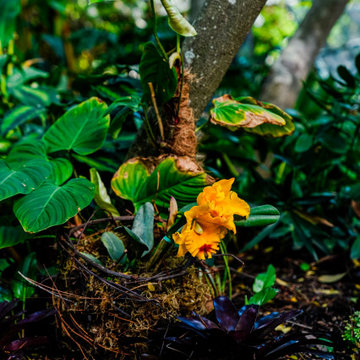 Hogue Landscape Services
The concept of the garden was based on, “Brazilian Hummingbirds II”, a painting the MFAH has in its collection by the artist, Martin Johnson Heade. Heade travelled to the rainforest in Brazil between 1863 and 1864 and painted a
series of small paintings depicting hummingbirds in the lush foliage of the Brazilian rainforests. His painting, Brazilian
Hummingbirds, II, evokes the sultry atmosphere of the Brazilian rainforest with its misty quality and subtle lighting. His interest in ornithology can be seen in his detailed depictions of the hummingbirds. The garden location is adjacent to one of Buffalo Bayou’s steep, wooded ravines. The ravine, with its native plant communities and topography, is a perfect back-
drop for a garden with a rainforest theme. Because the date for the garden opening coincides with the spring migration of hummingbirds into our region, the hummingbird theme seemed appropriate for this garden competition. The garden will include a variety of tropical plants native to the rainforests such as bromeliads, orchids, heliconia, and passion fruit flowers. In addition, native plants to our region such as the Sabal Minor and Southern Wood Fern will be included to integrate
plants that are found nearby in the ravine. The Heliconia flowers produce considerable amounts of nectar, a high energy food essential for hummingbirds who are known to consume three times their bodyweight in a single day. In addition to nectar producing plants, there will be hummingbird nest materials dispersed throughout the garden. A misty quality to the garden will be provided by a misting system, and tropical colored lights will be lit at night for special events. Visitors to the garden will have a unique sensory experience reminiscent to that of Heade’s travels to Brazil’s rainforests.
 Hogue Landscape Services
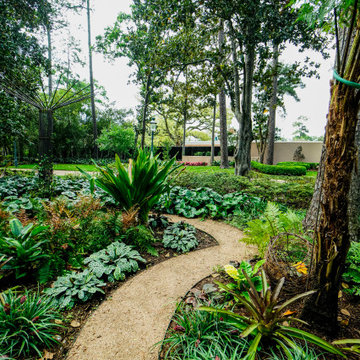
The concept of the garden was based on, “Brazilian Hummingbirds II”, a painting the MFAH has in its collection by the artist, Martin Johnson Heade. Heade travelled to the rainforest in Brazil between 1863 and 1864 and painted a
series of small paintings depicting hummingbirds in the lush foliage of the Brazilian rainforests. His painting, Brazilian
Hummingbirds, II, evokes the sultry atmosphere of the Brazilian rainforest with its misty quality and subtle lighting. His interest in ornithology can be seen in his detailed depictions of the hummingbirds. The garden location is adjacent to one of Buffalo Bayou’s steep, wooded ravines. The ravine, with its native plant communities and topography, is a perfect back-
drop for a garden with a rainforest theme. Because the date for the garden opening coincides with the spring migration of hummingbirds into our region, the hummingbird theme seemed appropriate for this garden competition. The garden will include a variety of tropical plants native to the rainforests such as bromeliads, orchids, heliconia, and passion fruit flowers. In addition, native plants to our region such as the Sabal Minor and Southern Wood Fern will be included to integrate
plants that are found nearby in the ravine. The Heliconia flowers produce considerable amounts of nectar, a high energy food essential for hummingbirds who are known to consume three times their bodyweight in a single day. In addition to nectar producing plants, there will be hummingbird nest materials dispersed throughout the garden. A misty quality to the garden will be provided by a misting system, and tropical colored lights will be lit at night for special events. Visitors to the garden will have a unique sensory experience reminiscent to that of Heade’s travels to Brazil’s rainforests.
 Hogue Landscape Services
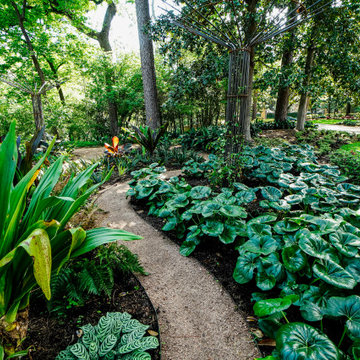
The concept of the garden was based on, “Brazilian Hummingbirds II”, a painting the MFAH has in its collection by the artist, Martin Johnson Heade. Heade travelled to the rainforest in Brazil between 1863 and 1864 and painted a
series of small paintings depicting hummingbirds in the lush foliage of the Brazilian rainforests. His painting, Brazilian
Hummingbirds, II, evokes the sultry atmosphere of the Brazilian rainforest with its misty quality and subtle lighting. His interest in ornithology can be seen in his detailed depictions of the hummingbirds. The garden location is adjacent to one of Buffalo Bayou’s steep, wooded ravines. The ravine, with its native plant communities and topography, is a perfect back-
drop for a garden with a rainforest theme. Because the date for the garden opening coincides with the spring migration of hummingbirds into our region, the hummingbird theme seemed appropriate for this garden competition. The garden will include a variety of tropical plants native to the rainforests such as bromeliads, orchids, heliconia, and passion fruit flowers. In addition, native plants to our region such as the Sabal Minor and Southern Wood Fern will be included to integrate
plants that are found nearby in the ravine. The Heliconia flowers produce considerable amounts of nectar, a high energy food essential for hummingbirds who are known to consume three times their bodyweight in a single day. In addition to nectar producing plants, there will be hummingbird nest materials dispersed throughout the garden. A misty quality to the garden will be provided by a misting system, and tropical colored lights will be lit at night for special events. Visitors to the garden will have a unique sensory experience reminiscent to that of Heade’s travels to Brazil’s rainforests.
 Hogue Landscape Services
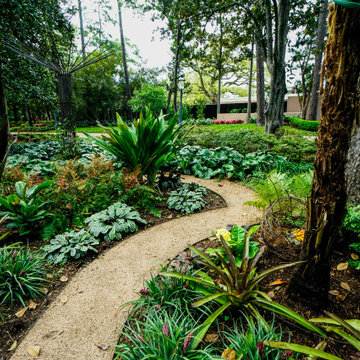
The concept of the garden was based on, “Brazilian Hummingbirds II”, a painting the MFAH has in its collection by the artist, Martin Johnson Heade. Heade travelled to the rainforest in Brazil between 1863 and 1864 and painted a
series of small paintings depicting hummingbirds in the lush foliage of the Brazilian rainforests. His painting, Brazilian
Hummingbirds, II, evokes the sultry atmosphere of the Brazilian rainforest with its misty quality and subtle lighting. His interest in ornithology can be seen in his detailed depictions of the hummingbirds. The garden location is adjacent to one of Buffalo Bayou’s steep, wooded ravines. The ravine, with its native plant communities and topography, is a perfect back-
drop for a garden with a rainforest theme. Because the date for the garden opening coincides with the spring migration of hummingbirds into our region, the hummingbird theme seemed appropriate for this garden competition. The garden will include a variety of tropical plants native to the rainforests such as bromeliads, orchids, heliconia, and passion fruit flowers. In addition, native plants to our region such as the Sabal Minor and Southern Wood Fern will be included to integrate
plants that are found nearby in the ravine. The Heliconia flowers produce considerable amounts of nectar, a high energy food essential for hummingbirds who are known to consume three times their bodyweight in a single day. In addition to nectar producing plants, there will be hummingbird nest materials dispersed throughout the garden. A misty quality to the garden will be provided by a misting system, and tropical colored lights will be lit at night for special events. Visitors to the garden will have a unique sensory experience reminiscent to that of Heade’s travels to Brazil’s rainforests.
 Hogue Landscape Services
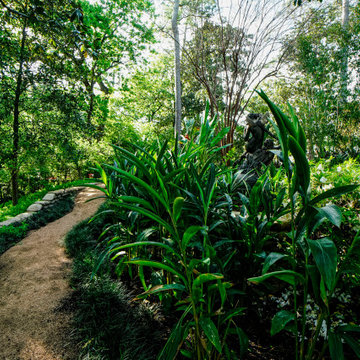
The concept of the garden was based on, “Brazilian Hummingbirds II”, a painting the MFAH has in its collection by the artist, Martin Johnson Heade. Heade travelled to the rainforest in Brazil between 1863 and 1864 and painted a
series of small paintings depicting hummingbirds in the lush foliage of the Brazilian rainforests. His painting, Brazilian
Hummingbirds, II, evokes the sultry atmosphere of the Brazilian rainforest with its misty quality and subtle lighting. His interest in ornithology can be seen in his detailed depictions of the hummingbirds. The garden location is adjacent to one of Buffalo Bayou’s steep, wooded ravines. The ravine, with its native plant communities and topography, is a perfect back-
drop for a garden with a rainforest theme. Because the date for the garden opening coincides with the spring migration of hummingbirds into our region, the hummingbird theme seemed appropriate for this garden competition. The garden will include a variety of tropical plants native to the rainforests such as bromeliads, orchids, heliconia, and passion fruit flowers. In addition, native plants to our region such as the Sabal Minor and Southern Wood Fern will be included to integrate
plants that are found nearby in the ravine. The Heliconia flowers produce considerable amounts of nectar, a high energy food essential for hummingbirds who are known to consume three times their bodyweight in a single day. In addition to nectar producing plants, there will be hummingbird nest materials dispersed throughout the garden. A misty quality to the garden will be provided by a misting system, and tropical colored lights will be lit at night for special events. Visitors to the garden will have a unique sensory experience reminiscent to that of Heade’s travels to Brazil’s rainforests.
 Hogue Landscape Services
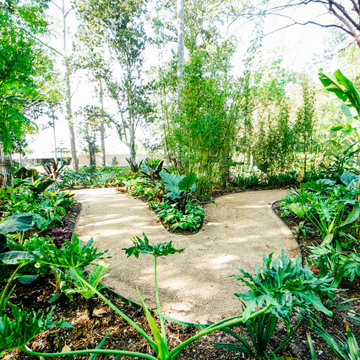
The concept of the garden was based on, “Brazilian Hummingbirds II”, a painting the MFAH has in its collection by the artist, Martin Johnson Heade. Heade travelled to the rainforest in Brazil between 1863 and 1864 and painted a
series of small paintings depicting hummingbirds in the lush foliage of the Brazilian rainforests. His painting, Brazilian
Hummingbirds, II, evokes the sultry atmosphere of the Brazilian rainforest with its misty quality and subtle lighting. His interest in ornithology can be seen in his detailed depictions of the hummingbirds. The garden location is adjacent to one of Buffalo Bayou’s steep, wooded ravines. The ravine, with its native plant communities and topography, is a perfect back-
drop for a garden with a rainforest theme. Because the date for the garden opening coincides with the spring migration of hummingbirds into our region, the hummingbird theme seemed appropriate for this garden competition. The garden will include a variety of tropical plants native to the rainforests such as bromeliads, orchids, heliconia, and passion fruit flowers. In addition, native plants to our region such as the Sabal Minor and Southern Wood Fern will be included to integrate
plants that are found nearby in the ravine. The Heliconia flowers produce considerable amounts of nectar, a high energy food essential for hummingbirds who are known to consume three times their bodyweight in a single day. In addition to nectar producing plants, there will be hummingbird nest materials dispersed throughout the garden. A misty quality to the garden will be provided by a misting system, and tropical colored lights will be lit at night for special events. Visitors to the garden will have a unique sensory experience reminiscent to that of Heade’s travels to Brazil’s rainforests.
 Hogue Landscape Services
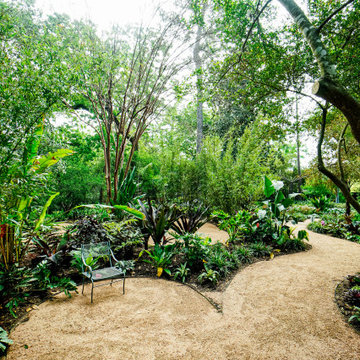
The concept of the garden was based on, “Brazilian Hummingbirds II”, a painting the MFAH has in its collection by the artist, Martin Johnson Heade. Heade travelled to the rainforest in Brazil between 1863 and 1864 and painted a
series of small paintings depicting hummingbirds in the lush foliage of the Brazilian rainforests. His painting, Brazilian
Hummingbirds, II, evokes the sultry atmosphere of the Brazilian rainforest with its misty quality and subtle lighting. His interest in ornithology can be seen in his detailed depictions of the hummingbirds. The garden location is adjacent to one of Buffalo Bayou’s steep, wooded ravines. The ravine, with its native plant communities and topography, is a perfect back-
drop for a garden with a rainforest theme. Because the date for the garden opening coincides with the spring migration of hummingbirds into our region, the hummingbird theme seemed appropriate for this garden competition. The garden will include a variety of tropical plants native to the rainforests such as bromeliads, orchids, heliconia, and passion fruit flowers. In addition, native plants to our region such as the Sabal Minor and Southern Wood Fern will be included to integrate
plants that are found nearby in the ravine. The Heliconia flowers produce considerable amounts of nectar, a high energy food essential for hummingbirds who are known to consume three times their bodyweight in a single day. In addition to nectar producing plants, there will be hummingbird nest materials dispersed throughout the garden. A misty quality to the garden will be provided by a misting system, and tropical colored lights will be lit at night for special events. Visitors to the garden will have a unique sensory experience reminiscent to that of Heade’s travels to Brazil’s rainforests.
 Timex Metals
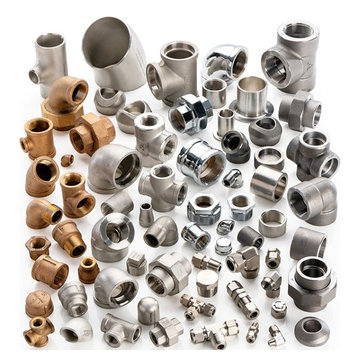
Timex Metal is a renowned Stainless Steel Pipe Fittings Manufacturer in India. The Stainless Steel Pipe Fittings have been designed as per national and international industry standards with the help of superior quality raw material and modern technology. We are primarily focused on the industry. We manufacture and supply UNS S31254 Fittings with enhanced benefits to cater to the industrial demand and needs. Our UNS S31254 Pipe Fitting is known all over the world for its quality and robustness.
Selecting the appropriate Pipe Fittings is crucial for designing reliable and effective piping systems for various applications. Modern Pipe Fittings Manufacturers aim to produce high-quality and meticulously engineered products to international standards. A trusted Pipe Fittings Supplier in India is vital in catering to varied industry needs, supplying fittings made from different materials including stainless steel, carbon steel and alloy steel.
Quality certification, and expertise are key considerations when choosing Pipe Fittings. Working with trusted manufacturers and suppliers guarantees you receive certified products that comply with domestic and international standards, enhancing system performance and lowering downtime costs. Top Pipe Fittings Suppliers have a wide stock and offer tailored options to meet the needs of the oil & gas, construction, power generation, and chemical sectors, with on-time delivery and reliable performance. Other Product: Fin Tube Manufacturer in India
 Garner Homes
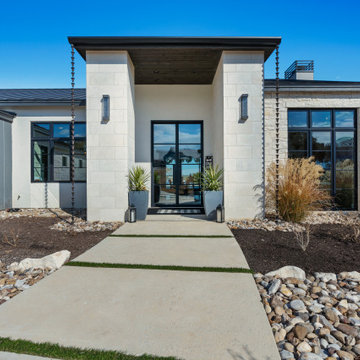
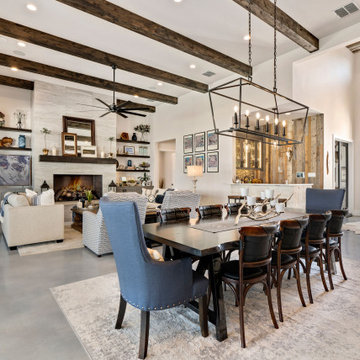
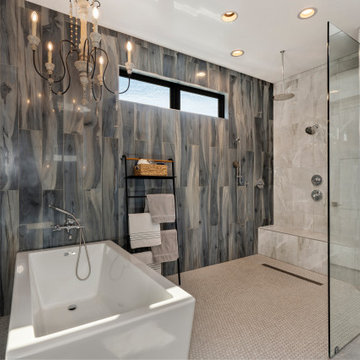
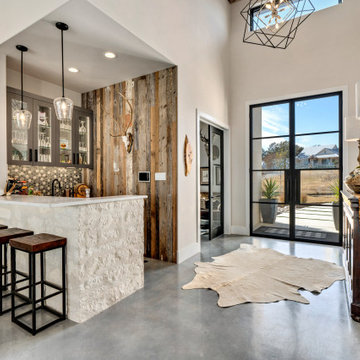
Ideal for extensive entertaining and comfortable everyday living, we designed an open floor plan that offered easy flow between the living room, bar, dining space and kitchen. Multiple horizontal and vertical offsets created visual interest on all four elevations while custom-built light fixtures produced sleek task lighting in work areas without sacrificing style. To create additional texture and character, we utilized transitional architecture by uses massing, materials, and lines found in the Hill Country in new ways with architectural limestone blocks, rough chopped Texas limestone, and stucco with metal reveals. Particular consideration was given to the views visible from bedrooms as well as always achieving cross-lighting to capture as much natural light as possible, as seen in the master bath where both windows in the wet room light the space throughout the day. We also featured aluminum clad wood window package, an anodized aluminum window wall in the living room, and a custom design steel and glass entry door.
 Garner Homes
Ideal for extensive entertaining and comfortable everyday living, we designed an open floor plan that offered easy flow between the living room, bar, dining space and kitchen. Multiple horizontal and vertical offsets created visual interest on all four elevations while custom-built light fixtures produced sleek task lighting in work areas without sacrificing style. To create additional texture and character, we utilized transitional architecture by uses massing, materials, and lines found in the Hill Country in new ways with architectural limestone blocks, rough chopped Texas limestone, and stucco with metal reveals. Particular consideration was given to the views visible from bedrooms as well as always achieving cross-lighting to capture as much natural light as possible, as seen in the master bath where both windows in the wet room light the space throughout the day. We also featured aluminum clad wood window package, an anodized aluminum window wall in the living room, and a custom design steel and glass entry door.
 Garner Homes
Ideal for extensive entertaining and comfortable everyday living, we designed an open floor plan that offered easy flow between the living room, bar, dining space and kitchen. Multiple horizontal and vertical offsets created visual interest on all four elevations while custom-built light fixtures produced sleek task lighting in work areas without sacrificing style. To create additional texture and character, we utilized transitional architecture by uses massing, materials, and lines found in the Hill Country in new ways with architectural limestone blocks, rough chopped Texas limestone, and stucco with metal reveals. Particular consideration was given to the views visible from bedrooms as well as always achieving cross-lighting to capture as much natural light as possible, as seen in the master bath where both windows in the wet room light the space throughout the day. We also featured aluminum clad wood window package, an anodized aluminum window wall in the living room, and a custom design steel and glass entry door.
 Garner Homes
Ideal for extensive entertaining and comfortable everyday living, we designed an open floor plan that offered easy flow between the living room, bar, dining space and kitchen. Multiple horizontal and vertical offsets created visual interest on all four elevations while custom-built light fixtures produced sleek task lighting in work areas without sacrificing style. To create additional texture and character, we utilized transitional architecture by uses massing, materials, and lines found in the Hill Country in new ways with architectural limestone blocks, rough chopped Texas limestone, and stucco with metal reveals. Particular consideration was given to the views visible from bedrooms as well as always achieving cross-lighting to capture as much natural light as possible, as seen in the master bath where both windows in the wet room light the space throughout the day. We also featured aluminum clad wood window package, an anodized aluminum window wall in the living room, and a custom design steel and glass entry door.
5