
Search results for "Resistance typically" in Home Design Ideas

 Connecticut Roofcrafters Llc
We installed a high-temperature self-adhering membrane under this roof to protect the decking from heat absorption. These membranes are typically vapor impermeable and since they are fully-adhered to the substrate and to adjacent sheets at side and end laps, they resist air pressure differentials and serve as an effective air barrier material. While all metal roofs have higher reflective qualities than other roofing materials, darker metals really shine in the winter months for their heat absorption qualities.
 Velero Deck Designs
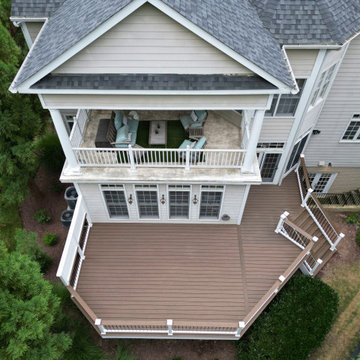
This project was all about resurfacing an existing deck, which provides a significant amount of benefits, including:
- Enhanced Aesthetics: A deck resurfacing project can transform the appearance of the deck, giving it a fresh and modern look that can significantly improve the curb appeal of the entire home.
- Cost Savings: Resurfacing is often more cost-effective than completely rebuilding a deck. It allows homeowners to achieve a like-new appearance without the expense of a full replacement.
- Increased Durability: New materials used in resurfacing are designed to be more resistant to wear, fading, and the elements, resulting in a longer lifespan for the deck.
- Improved Safety: Addressing structural issues during the resurfacing process ensures the deck's safety and stability, reducing the risk of accidents.
- Less Disruption: Compared to a full deck replacement, resurfacing typically involves less disruption to the homeowner's daily routine, as it's a faster and less invasive process.
- Customization: Homeowners can choose from a wide range of materials, colors, and finishes to match their design preferences and complement their home's style.
- Environmentally Friendly: Resurfacing reduces the amount of old material that needs to be disposed of, making it a more environmentally conscious option.
By undertaking a deck resurfacing project, homeowners can rejuvenate their outdoor space, enjoy a beautiful and functional deck for years to come and increase the overall value of their property.
 Proto Homes, LLC
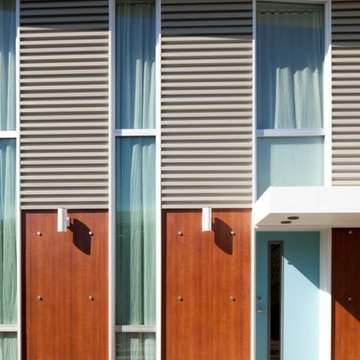
On average, a Proto Home™ can be constructed within four months, thanks to our new building methods that save time and money, while increasing accuracy. Proto Homes™ are built through a hybrid construction system: factory produced + site built elements. By prefabricating the shell and core features of the home off-site, construction can essentially begin before permitting has, thus saving you time and money.
Foundation/Slab Detailing: The foundation is detailed to serve two primary purposes. The foundation curb is formed in such a way that it acts as a measuring "rubric" for the house, first in providing a horizontal registration point for finish floors inside the house, and grading and landscape for outside. Secondly, it serves as a vertical indexing margin for all exterior finishes including panel systems and metal cladding. In addition, the delineation provided by the curb provides a clean aesthetic for the foundation itself and waterproofs the home.
Roofing construction is made more efficient in a Proto Home™. By doing away with the traditional attic, we've utilized every last square inch – which in this case provides higher ceilings. Every Proto Home™ features a "zero-penetration" roof that is uninterrupted by plumbing vents or ducts thanks to the Proto Core™ design, which moves traditional roof vents to the side wall of the core. The all-steel roof assembly provides structural stability and resists damage from weather and pests, giving it longevity not typical in today's roofs.
With Proto Home's™, it's all about the details. From the garage to the bathrooms, the amenities we use everyday have been slightly adjusted to make our lives easier.
The Proto Home™ garage is carefully designed to function as efficiently as the rest of the home. The floor is perfectly level, and outfitted with the same concrete as the rest of the first floor, which makes fitting the space with shelves and furniture much easier.
Bathtubs are reworked into "Soak In Showers," which are easy to enter and exit, yet deep enough to bathe in.
In keeping with sleek lines and uninterrupted design, we have developed "Zero Jam," a patented interior door jam made of solid aluminum. When closed, the door blends with the adjoining wall to create the appearance of one continuous unit.
Proto Home's™ also work with the seasons to compensate for changes in weather. The climate control can be adjusted so that during the summer air-conditioned cold air flows in from the top and descends to cool the space below. During the winter, the hot air is forced in from the ground level and ascends heating the entire house.
Photo Credit: Lisa Romerein, Proto Homes, LLC
Find the right local pro for your project
 TIMBERWORX CUSTOM HOMES
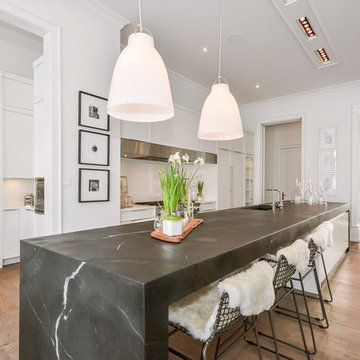
Example of a transitional galley medium tone wood floor kitchen design in Toronto with white cabinets, soapstone countertops, white backsplash, glass sheet backsplash, paneled appliances and an island
 Moda Furnishings
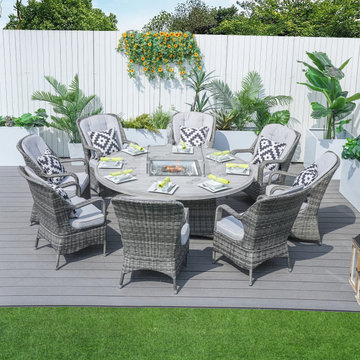
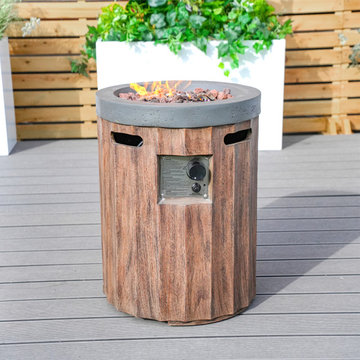
The outdoor patio fire pit table set category features stylish and functional furniture designed to enhance outdoor living spaces. These sets typically include a fire pit table and accompanying seating, creating a cozy gathering area perfect for entertaining or relaxing under the stars. Made from durable, weather-resistant materials, they provide a reliable heat source while adding a touch of modern elegance to patios, decks, or backyards. With adjustable flame settings and easy assembly options, these fire pit tables are ideal for anyone looking to enjoy evenings outdoors in comfort and style.
 Moda Furnishings
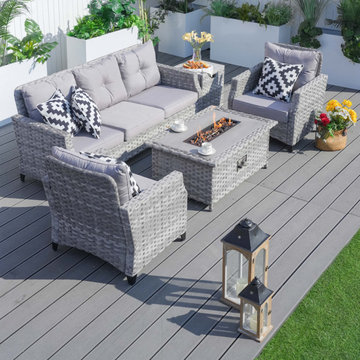
The outdoor patio fire pit table set category features stylish and functional furniture designed to enhance outdoor living spaces. These sets typically include a fire pit table and accompanying seating, creating a cozy gathering area perfect for entertaining or relaxing under the stars. Made from durable, weather-resistant materials, they provide a reliable heat source while adding a touch of modern elegance to patios, decks, or backyards. With adjustable flame settings and easy assembly options, these fire pit tables are ideal for anyone looking to enjoy evenings outdoors in comfort and style.
 RST Brands
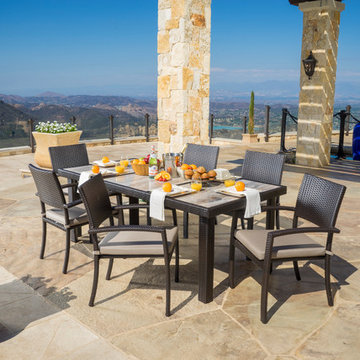
Bring the inside out! The modern, mid-century style that typically steals the attention of interior décor is perfect as an outdoor furniture set. This 7pc dining set offers comfortable seating and durable materials, making it a great set for you and your family to share memorable meals in.
Features:
Set includes six dining chairs and a 78x38-inch dining table.
Table includes a hole in the center for dining umbrellas up to 2-inches in diameter, and can be covered up when not in use.
Modern, mid-century tapered legs add style and flair.
Mixed material frames are paired with designer coordinated base cushions.
Plush, tailored cushions are fully-sewn, quick to dry, and three inches thick.
Materials are engineered to withstand any type of outdoor environment.
Durable, lightweight powder-coated aluminum frame is rust-resistant and long-lasting.
Furniture is easy to clean, keeping your furniture looking just as new as it did the day it arrived.
 Moda Furnishings
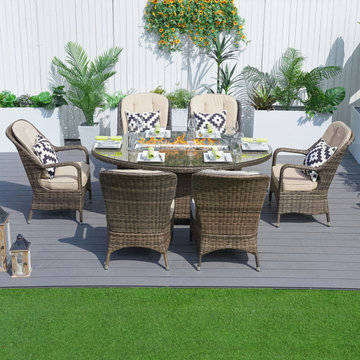
The outdoor patio fire pit table set category features stylish and functional furniture designed to enhance outdoor living spaces. These sets typically include a fire pit table and accompanying seating, creating a cozy gathering area perfect for entertaining or relaxing under the stars. Made from durable, weather-resistant materials, they provide a reliable heat source while adding a touch of modern elegance to patios, decks, or backyards. With adjustable flame settings and easy assembly options, these fire pit tables are ideal for anyone looking to enjoy evenings outdoors in comfort and style.
 Moda Furnishings
The outdoor patio fire pit table set category features stylish and functional furniture designed to enhance outdoor living spaces. These sets typically include a fire pit table and accompanying seating, creating a cozy gathering area perfect for entertaining or relaxing under the stars. Made from durable, weather-resistant materials, they provide a reliable heat source while adding a touch of modern elegance to patios, decks, or backyards. With adjustable flame settings and easy assembly options, these fire pit tables are ideal for anyone looking to enjoy evenings outdoors in comfort and style.
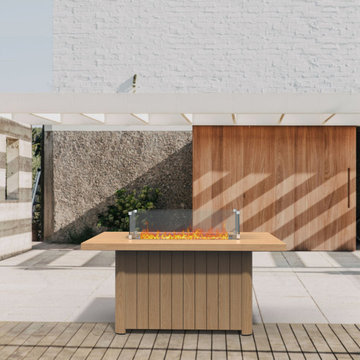 Moda Furnishings
The outdoor patio fire pit table set category features stylish and functional furniture designed to enhance outdoor living spaces. These sets typically include a fire pit table and accompanying seating, creating a cozy gathering area perfect for entertaining or relaxing under the stars. Made from durable, weather-resistant materials, they provide a reliable heat source while adding a touch of modern elegance to patios, decks, or backyards. With adjustable flame settings and easy assembly options, these fire pit tables are ideal for anyone looking to enjoy evenings outdoors in comfort and style.
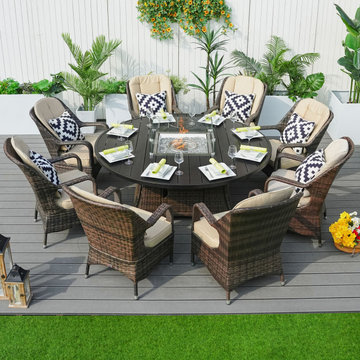 Moda Furnishings
The outdoor patio fire pit table set category features stylish and functional furniture designed to enhance outdoor living spaces. These sets typically include a fire pit table and accompanying seating, creating a cozy gathering area perfect for entertaining or relaxing under the stars. Made from durable, weather-resistant materials, they provide a reliable heat source while adding a touch of modern elegance to patios, decks, or backyards. With adjustable flame settings and easy assembly options, these fire pit tables are ideal for anyone looking to enjoy evenings outdoors in comfort and style.
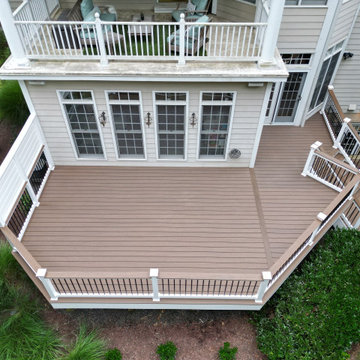 Velero Deck Designs
This project was all about resurfacing an existing deck, which provides a significant amount of benefits, including:
- Enhanced Aesthetics: A deck resurfacing project can transform the appearance of the deck, giving it a fresh and modern look that can significantly improve the curb appeal of the entire home.
- Cost Savings: Resurfacing is often more cost-effective than completely rebuilding a deck. It allows homeowners to achieve a like-new appearance without the expense of a full replacement.
- Increased Durability: New materials used in resurfacing are designed to be more resistant to wear, fading, and the elements, resulting in a longer lifespan for the deck.
- Improved Safety: Addressing structural issues during the resurfacing process ensures the deck's safety and stability, reducing the risk of accidents.
- Less Disruption: Compared to a full deck replacement, resurfacing typically involves less disruption to the homeowner's daily routine, as it's a faster and less invasive process.
- Customization: Homeowners can choose from a wide range of materials, colors, and finishes to match their design preferences and complement their home's style.
- Environmentally Friendly: Resurfacing reduces the amount of old material that needs to be disposed of, making it a more environmentally conscious option.
By undertaking a deck resurfacing project, homeowners can rejuvenate their outdoor space, enjoy a beautiful and functional deck for years to come and increase the overall value of their property.
 Soda Pop Design Inc.
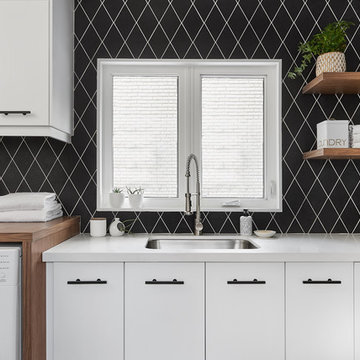
Designed by: Soda Pop Design inc
Photography by: Stephani Buchman Photography
Construction by: Soda Pop Construction co.
Inspiration for a scandinavian laundry room remodel in Toronto
Inspiration for a scandinavian laundry room remodel in Toronto
 highland
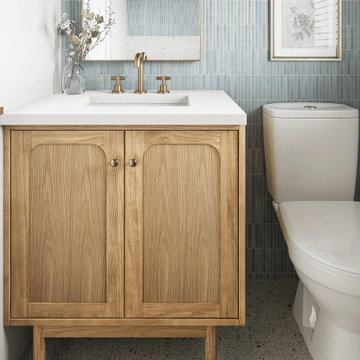
Renovating a bathroom is one of the most rewarding home improvement projects you can undertake. It adds immediate value to your property and elevates your daily routine. However, designing the perfect space requires balancing aesthetics with practical utility. At the heart of this balance is the vanity — it is the functional hub where you get ready each morning, a vital storage unit, and the visual centerpiece of the room.
To ensure you make the right investment, here is an in-depth look at choosing a bathroom vanity that blends style, longevity, and everyday functionality.
1. Assessing the Layout and Space Constraints
Before you fall in love with a specific design or finish, you must determine what your bathroom can physically handle. Scale is everything. A vanity that is too large disrupts traffic flow, while one that is too small gets lost visually and lacks adequate storage.
The next major step is determining the scale of your plumbing fixtures. Understanding how to choose a bathroom sink and vanity setup comes down to a simple choice: single or double sinks. Your choice will depend on who uses the bathroom and the overall footprint of the space.
Single Sink Vanities
Typically ranging from 20 to 48 inches (50–120 cm) in width, single vanities are the ideal choice for powder rooms, guest bathrooms, or small master suites. For very compact spaces, you can find narrower options starting around 16 inches (40 cm). The major advantage of a single-sink layout is that it provides more usable countertop space for cosmetics, toiletries, and decorative items. If you want to skip the guesswork and invest in a premium, beautifully handcrafted fixture, explore the luxury collections at Willow Bath and Vanity. From elegant single vanities to spacious double setups, their masterfully built furniture combines solid wood construction with elite styling to transform any bathroom into a spa-like retreat.
Double Sink Vanities
Usually starting at 48 inches (120 cm) and extending up to 72 inches (180 cm) or more, double vanities are a lifesaver for shared master bathrooms. They allow two people to get ready simultaneously without fighting for sink space. Keep in mind that a double vanity naturally reduces both cabinet storage space and countertop real estate since a second sink basin and plumbing lines take up substantial interior room.
Sink Types to Consider
The countertop is the workhorse of the bathroom. It regularly comes into contact with running water, toothpaste, soapy residue, and high-heat styling tools. Knowing how to choose a bathroom vanity top requires evaluating how much maintenance you are willing to perform against the look you want to achieve. Material Pros Cons Maintenance Level Quartz Highly durable, non-porous, stain and scratch-resistant. Offers the look of stone without the hassle. Premium pricing; can show seams on very large custom layouts. Low (No sealing required) Marble Timeless, elegant, and luxurious. Every slab features a completely unique veining pattern. Porous; prone to scratching, etching from acids, and water stains. Requires careful daily use. High (Requires regular sealing) Granite Naturally strong, heat-resistant, and chemically stable. Unique earthy patterns. Porous; can chip if subjected to heavy impacts. Medium (Requires occasional sealing) When coordinating your countertop, ensure it complements your bathroom’s floor tiles, shower surround, and plumbing hardware to maintain visual harmony.
4. Selecting the Core Vanity Style and Finish
Once the functional components are locked in, you can focus on the architectural style of the vanity base. The base dictates the design theme of the entire room.
Conclusion
Choosing the perfect vanity is a step-by-step process that combines precise measurements with your personal design taste. By taking careful measurements, choosing between a single- or double-sink setup, and picking a durable counter material like quartz or granite, you can transform your bathroom into a beautiful, organized retreat. Prioritize high-quality materials and smart craftsmanship, and your new vanity will look spectacular and serve your household reliably for years to come.
1. Assessing the Layout and Space Constraints
Before you fall in love with a specific design or finish, you must determine what your bathroom can physically handle. Scale is everything. A vanity that is too large disrupts traffic flow, while one that is too small gets lost visually and lacks adequate storage.
- Take Precise Measurements: measure the available width, depth, and height. Remember to account for surrounding fixtures.
- Check Clearance Zones: ensure there is enough clearance for the bathroom door to swing open, for shower glass doors to clear the vanity, and for drawers and cabinet doors to extend fully without hitting the toilet or walls.
-
Locate Existing Plumbing: moving pipes can significantly increase renovation costs. If you want a seamless installation, look for a vanity configuration that aligns easily with your current plumbing setup.
The next major step is determining the scale of your plumbing fixtures. Understanding how to choose a bathroom sink and vanity setup comes down to a simple choice: single or double sinks. Your choice will depend on who uses the bathroom and the overall footprint of the space.
Single Sink Vanities
Typically ranging from 20 to 48 inches (50–120 cm) in width, single vanities are the ideal choice for powder rooms, guest bathrooms, or small master suites. For very compact spaces, you can find narrower options starting around 16 inches (40 cm). The major advantage of a single-sink layout is that it provides more usable countertop space for cosmetics, toiletries, and decorative items. If you want to skip the guesswork and invest in a premium, beautifully handcrafted fixture, explore the luxury collections at Willow Bath and Vanity. From elegant single vanities to spacious double setups, their masterfully built furniture combines solid wood construction with elite styling to transform any bathroom into a spa-like retreat.
Double Sink Vanities
Usually starting at 48 inches (120 cm) and extending up to 72 inches (180 cm) or more, double vanities are a lifesaver for shared master bathrooms. They allow two people to get ready simultaneously without fighting for sink space. Keep in mind that a double vanity naturally reduces both cabinet storage space and countertop real estate since a second sink basin and plumbing lines take up substantial interior room.
Sink Types to Consider
- Undermount: installed beneath the counter for a smooth, seamless surface that is incredibly easy to wipe down.
- Vessel: sits atop the counter like a decorative bowl. It makes a bold style statement but raises the overall height of the counter surface.
- Drop-In: features a lip that rests on the counter cutout. It is easier to install, but its edges can catch dirt.
-
The countertop is the workhorse of the bathroom. It regularly comes into contact with running water, toothpaste, soapy residue, and high-heat styling tools. Knowing how to choose a bathroom vanity top requires evaluating how much maintenance you are willing to perform against the look you want to achieve. Material Pros Cons Maintenance Level Quartz Highly durable, non-porous, stain and scratch-resistant. Offers the look of stone without the hassle. Premium pricing; can show seams on very large custom layouts. Low (No sealing required) Marble Timeless, elegant, and luxurious. Every slab features a completely unique veining pattern. Porous; prone to scratching, etching from acids, and water stains. Requires careful daily use. High (Requires regular sealing) Granite Naturally strong, heat-resistant, and chemically stable. Unique earthy patterns. Porous; can chip if subjected to heavy impacts. Medium (Requires occasional sealing) When coordinating your countertop, ensure it complements your bathroom’s floor tiles, shower surround, and plumbing hardware to maintain visual harmony.
4. Selecting the Core Vanity Style and Finish
Once the functional components are locked in, you can focus on the architectural style of the vanity base. The base dictates the design theme of the entire room.
- Freestanding vanities: sit directly on the floor, supported by legs or a solid kickboard base. This is a traditional, stable configuration that offers the maximum hidden cabinet and drawer storage space.
- Wall-Mounted (Floating) vanities: anchored directly onto the wall studs, leaving the floor underneath completely clear. Floating vanities are staples of modern, minimalist design. They create an illusion of space, making small rooms look larger, and make cleaning the bathroom floor incredibly easy.
- Console vanities: feature an open shelving design supported by a metal or wood frame. It offers a light, airy look reminiscent of a boutique hotel, though it sacrifices hidden storage.
Conclusion
Choosing the perfect vanity is a step-by-step process that combines precise measurements with your personal design taste. By taking careful measurements, choosing between a single- or double-sink setup, and picking a durable counter material like quartz or granite, you can transform your bathroom into a beautiful, organized retreat. Prioritize high-quality materials and smart craftsmanship, and your new vanity will look spectacular and serve your household reliably for years to come.
 Architect
Why Mattress Thickness Is One of the Most Misunderstood Specs
When most people shop for a memory foam mattress, they focus on firmness, materials, and brand. Thickness tends to be an afterthought — or worse, treated as a proxy for quality. The assumption goes: thicker equals better. That assumption is wrong in a meaningful number of cases, and getting it wrong means waking up with exactly the kind of stiffness, pressure pain, or lower back ache you bought a new mattress to avoid.
The right thickness for a memory foam mattress is not a single number. It is a combination of your body weight, your sleep position, and any specific health conditions you are managing. A 14-inch mattress that provides ideal support for a 250-pound side sleeper may cause a 115-pound stomach sleeper to experience spinal misalignment all night. A 10-inch mattress that works perfectly for a back sleeper of average build offers inadequate pressure relief for a heavier side sleeper whose hips need to sink further into the comfort layer before the support base engages.
This guide maps thickness to the factors that actually determine whether a mattress works for your body. It covers the science of mattress layers, the three primary variables (weight, position, condition), and a complete decision table so you can find your ideal thickness without guesswork.
Understanding Mattress Thickness: Layers, Not Just Height
A memory foam mattress’s total thickness is the sum of its individual layers, and those layers serve entirely different functions. Two mattresses that are both 12 inches thick may feel radically different because their comfort layer depths and support core thicknesses are distributed differently.
The Two Parts That Matter
Every memory foam mattress has two functional zones: the comfort layer at the top and the support core at the bottom. The comfort layer — which in quality mattresses consists of gel-infused viscoelastic foam, transition foam, and a cooling cover — is the zone that contours to your body, relieves pressure, and cushions the joints. The support core — high-density foam or pocketed springs in a hybrid — is the zone that keeps the spine aligned and prevents the entire body from sinking into the mattress.
The key relationship is this: the comfort layer must be deep enough for your body’s heaviest pressure points to sink in fully before the firmer support core pushes back. If it is too shallow, those pressure points press against a firm surface and cause localised pain. If the support core is too thin, the whole mattress sags under body weight and the spine loses alignment regardless of how comfortable the top feels.
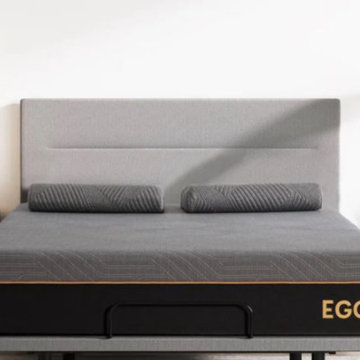
Here is how EGOHOME’s Black series layers map to these functions:
Layer
Material
Function
EGOHOME Technology
Cover (0.5–1")
Fabric + cooling tech
Temperature regulation, hygiene
Anti-heat™ Graphene Cooling Cover
Comfort layer (2–6")
Gel foam, AeroFusion™
Pressure relief, contouring
Copper Gel AeroFusion™ Foam
Transition layer (1–2")
Mid-density foam
Prevents sinkage past comfort zone
BraceSleeper™ Support Foam (upper)
Support core (6–12")
High-density foam or coils
Spinal alignment, edge support
BraceSleeper™ Support Foam (core)
Thickness alone does not tell you how a mattress will perform. A 14-inch mattress with a 2-inch comfort layer and a 12-inch support core will feel firm and supportive. A 14-inch mattress with a 6-inch comfort layer and an 8-inch support core will feel plush and contouring. Always check the comfort layer depth, not just the total inches.
Memory Foam Mattress Thickness Ranges: What Each Category Delivers
Here is a complete breakdown of what to expect from each thickness range and who each suits best:
Thickness
Profile
Best Use Case
Body Weight
Best Sleep Position
6–8"
Low profile
Children, bunk beds, guest rooms, adjustable bases
Under 130 lbs
Kids, lightweight, occasional use
8–10"
Standard-thin
Stomach sleepers, lightweight adults, budget setups
Under 130 lbs
Stomach, lightweight back sleepers
10–12"
Standard
Most adults, back sleepers, back pain relief
130–230 lbs
Back, stomach, combo sleepers
12–14"
High-profile
Side sleepers, plus-size, pressure relief
130–230 lbs+
Side sleepers, hip/shoulder pain
14"+
Premium
Plus-size sleepers, heavy duos, luxury setups
230 lbs+
Plus-size, side sleepers, chronic pain
6–8 Inches: Low-Profile (Specific Use Cases Only)
Low-profile mattresses in the 6 to 8 inch range are designed for specific applications rather than general adult use. They work well on bunk beds and trundle beds where height clearance is limited, for children’s beds where a lower sleep surface is safer, on adjustable bases where the mattress needs to flex significantly, and for lightweight individuals under 130 pounds who need minimal depth to reach the support core. For a standard adult of average build, a mattress under 8 inches is unlikely to provide adequate comfort layer depth for sustained pressure relief.
8–10 Inches: Standard-Thin (Stomach Sleepers and Lightweight Adults)
The 8 to 10 inch range is the practical starting point for most adult use. At this thickness, there is enough comfort layer to provide basic pressure relief without the excessive depth that allows heavier body sections to sink past the support zone. Stomach sleepers in particular benefit from this range: when sleeping face down, the goal is to keep the hips from sinking lower than the shoulders and chest, which would create a downward bow in the lumbar spine. A thinner mattress with a firmer feel prevents this hyperextension more reliably than a thicker, softer model. EGOHOME offers 8-inch memory foam options suited to this profile.
10–12 Inches: Standard (The Sweet Spot for Most Adults)
The 10 to 12 inch range is the most broadly appropriate thickness for adults of standard build. At this depth, a quality memory foam mattress contains enough comfort layer material to contour genuinely around the hips and shoulders without allowing the body to bottom out into the support core. It also contains enough support core depth to maintain spinal alignment under continuous body weight across seven or eight hours. Back sleepers of standard weight (130 to 230 pounds) typically find this range the most supportive, as the lumbar region receives adequate underlying resistance without the excessive softness that taller mattresses can develop under consistent pressure.
12–14 Inches: High-Profile (Side Sleepers and Plus-Size Sleepers)
The 12 to 14 inch range addresses two specific needs: side sleepers who require a deep enough comfort layer to allow the shoulder and hip to sink in while the waist remains supported, and heavier individuals whose body weight requires more foam depth before reaching full support core engagement. For a side sleeper of standard or higher body weight, a comfort layer of less than 4 to 6 inches is often not deep enough for the shoulder to sink fully into an aligned position. The result is an upward lateral bow in the thoracic spine that causes shoulder and upper back pain upon waking. The EGOHOME Black 14-inch Pro and Hybrid models are built specifically for this thickness range.
14 Inches and Above: Premium and Plus-Size
Mattresses at 14 inches or more are appropriate for plus-size sleepers over 230 pounds and for couples where one partner is significantly heavier. At higher body weights, a greater depth of both comfort material and support foam is required because the heavier load compresses the foam more aggressively. A support core that adequately resists a 160-pound sleeper may allow excessive sinkage under a 280-pound sleeper, causing the hips to drop past the point of lumbar support. EGOHOME’s Black 14-inch Firm model includes a 12-inch BraceSleeper™ Support Foam core specifically designed to resist this deep compression under higher body weights.
Thickness by Body Weight: The Primary Determining Factor
Body weight is the single most important variable in thickness selection because it directly determines how far the body sinks into the foam. The same mattress will feel completely different to a 120-pound sleeper versus a 240-pound sleeper, because the heavier person compresses the foam significantly more deeply.
Lightweight Sleepers (Under 130 lbs)
Lightweight sleepers do not need and often cannot benefit from thick mattresses. Because they exert less pressure on the foam, they may not compress a 14-inch mattress deeply enough to feel the support core at all, resulting in a floating sensation with insufficient underlying resistance. For lightweight sleepers, 8 to 10 inches provides adequate comfort layer depth for full pressure relief. The EGOHOME Black 10-inch Classic (medium feel) is the appropriate starting point for this weight category.
Standard-Weight Sleepers (130–230 lbs)
Standard-weight adults represent the broadest population of mattress buyers, and the 10 to 12 inch range was designed specifically for this group. At this weight range, the body compresses the comfort layer meaningfully enough for the foam to contour around pressure points, while the support core remains thick enough to prevent excessive sinkage. The EGOHOME Black 12-inch and the Black 10-inch ranges both address this category, with the 12-inch models being more appropriate for side sleepers who need the extra comfort layer depth.
Plus-Size Sleepers (Over 230 lbs)
Heavier sleepers require 12 to 14 inches at minimum to prevent bottoming out — the point at which body weight compresses through the comfort layer entirely and the sleeper feels the firm support core directly. Bottoming out eliminates pressure relief completely and can significantly worsen joint pain and lower back stiffness. EGOHOME recommends a suggested maximum of 300 pounds per person across their mattress range, and the 14-inch Hybrid and 14-inch Firm models are engineered with the deeper support cores required to handle higher body weights without performance degradation over time.
Thickness by Sleep Position: Matching Depth to Alignment Needs
Side Sleepers: 12 Inches or More
Side sleeping places the body’s heaviest pressure points — the shoulder and hip — in direct contact with the mattress. These points need to sink into the comfort layer deeply enough that the spine remains horizontal from head to toe. If the comfort layer is too thin or too firm, the shoulder cannot descend fully into the mattress, and the spine develops an upward lateral curve between the shoulder and the head. This causes the neck, shoulder, and upper back tension that many side sleepers report upon waking.
Side sleepers of standard weight need at least 12 inches, with a soft to medium-soft comfort layer. EGOHOME’s Black 12-inch Pro (soft feel, 7.5 out of 10 cooling score) is specifically recommended for side sleepers managing back, shoulder, or joint pain. The Black 14-inch Pro (medium-soft, 8 out of 10 cooling) adds additional comfort layer depth for those who need greater pressure relief.
Back Sleepers: 10–12 Inches
Back sleeping is the most spinal-alignment-friendly position because the body’s weight is distributed relatively evenly across the mattress. The primary challenge for back sleepers is lumbar support: the natural inward curve of the lower back creates a gap between the lumbar spine and the mattress surface that must be filled by the foam contouring upward into it. A mattress that is too soft allows the pelvis to sink excessively, flattening this curve and creating lower back compression. A mattress that is too firm cannot conform into the lumbar curve at all.
For back sleepers, 10 to 12 inches with a medium or medium-firm feel provides the optimal combination. EGOHOME’s Black 12-inch Hybrid (medium-firm, 6.5 out of 10 cooling) is specifically noted as ideal for back sleepers, combining pocketed spring zoned support with gel foam contouring for precise lumbar engagement.
Stomach Sleepers: 8–10 Inches
Stomach sleepers face the opposite alignment challenge from side sleepers. Rather than needing the mattress to yield deeply at the joints, they need the mattress to maintain a flat, firm surface that prevents the hips from sinking below the chest. If the hips drop lower than the upper body, the lumbar spine hyperextends into an arched position that compresses the posterior vertebral joints and causes significant lower back pain.
Stomach sleepers need a thinner mattress with a firmer feel. The EGOHOME Black 14-inch Firm is specifically recommended for stomach sleepers and heavier sleepers who need maximum surface resistance. Its 12-inch BraceSleeper™ Support Foam core provides the deep, unyielding base that prevents hip sinkage without requiring a thin mattress that compromises comfort.
Best Thickness for Back Pain: The Medium-Firm 10–12 Inch Principle
For people managing chronic lower back pain, herniated discs, sciatica, or general spinal stiffness, mattress thickness interacts with back health in a specific way that differs from general sleep comfort recommendations.
The key principle for back pain is controlled contouring. You need enough foam depth to relieve pressure at the hips and shoulders, but not so much depth that the foam develops a sag under the heavier sections of the body over time. Excessive thickness combined with a soft comfort layer is one of the most common causes of mattress-induced back pain — the sleeper sinks into a gentle hammock shape that feels comfortable initially but compresses the lumbar discs continuously throughout the night.
10–12 Inches: The Optimal Back Pain Range
A medium-firm mattress of 10 to 12 inches addresses both needs simultaneously. It provides adequate foam depth for genuine pressure relief at the hips and shoulders without the risk of comfort layer collapse that taller, softer mattresses can develop. The support core at this thickness is deep enough to maintain consistent lumbar support from the first night through years of regular use.
For side sleepers with lower back pain, the recommendation extends to 12 inches with a soft feel to ensure the hip can sink into full alignment. For back sleepers with lower back pain, 10 to 12 inches with a medium-firm feel is the target. For stomach sleepers with lower back pain, a firmer feel at any thickness is more important than depth — preventing hip sinkage is the priority.
⚠️ Mattresses over 14 inches with very soft comfort layers are a common hidden cause of lower back pain. The deep softness feels luxurious initially but allows the lumbar region to sag into misalignment through the night. If you sleep on a thick, very soft mattress and wake with lower back stiffness, the mattress — not your position — may be the cause.
Complete Thickness Decision Table: Your Position × Your Weight
Use this table to find your recommended thickness and the matching EGOHOME model:
Sleep Position
Body Weight
Ideal Thickness
EGOHOME Recommendation
Side sleeper
Under 130 lbs
12"
EGOHOME Black 12” Pro (soft, 7.5/10 cool)
Side sleeper
130–230 lbs
12–14"
EGOHOME Black 14” Pro (medium-soft, 8/10 cool)
Side sleeper
Over 230 lbs
14"
EGOHOME Black 14” Hybrid (medium-firm, 8.5/10 cool)
Back sleeper
Under 130 lbs
10"
EGOHOME Black 10” Classic (medium, 6/10 cool)
Back sleeper
130–230 lbs
10–12"
EGOHOME Black 12” Hybrid (medium-firm, 6.5/10 cool)
Back sleeper
Over 230 lbs
12–14"
EGOHOME Black 14” Hybrid (medium-firm, 8.5/10 cool)
Stomach sleeper
Under 130 lbs
8–10"
EGOHOME 8" Memory Foam (firm, standard support)
Stomach sleeper
130–230 lbs
10–12"
EGOHOME Black 10” Hybrid (medium-firm, 6.5/10 cool)
Stomach sleeper
Over 230 lbs
12–14"
EGOHOME Black 14” Firm (firm, 7/10 cool)
Combination
Any weight
10–14"
EGOHOME Black 14” Pro or 14” Hybrid
? If you are between two categories — for example, a 220-pound back sleeper with occasional side sleeping — choose the model suited to your heavier variable. A 12” hybrid model handles the heavier weight and still adapts to position changes. When in doubt, go medium-firm over soft.
EGOHOME Memory Foam Mattresses by Thickness
EGOHOME’s range spans 6 to 14 inches across memory foam and hybrid constructions, with every model carrying CertiPUR-US® and OEKO-TEX® Standard 100 certification, a 10-year warranty, a 100-night home trial, and free shipping and returns across the contiguous U.S.
For 8–10 Inch Needs
The EGOHOME 8-inch memory foam and Black 10-inch Classic and Hybrid models cover the lightweight and stomach sleeper range. The 10-inch Classic offers a medium feel suited to back and side sleepers under 130 pounds. The 10-inch Hybrid adds pocketed spring support for better lumbar engagement and airflow.
For 10–12 Inch Needs
The EGOHOME Black 12-inch range — Classic, Pro, and Hybrid — is the most widely applicable thickness tier. The 12-inch Classic (soft, cool 6/10) suits side sleepers and those with joint pain. The 12-inch Hybrid (medium-firm, cool 6.5/10) is specifically recommended for back sleepers and standard-weight adults across positions. The 12-inch Pro (soft, cool 7.5/10) is the top choice for side sleepers dealing with shoulder or hip pain.
For 12–14 Inch Needs
The EGOHOME Black 14-inch series is the flagship range. The 14-inch Pro (medium-soft, cool 8/10) is designed for side sleepers and pressure-relief-first buyers. The 14-inch Hybrid (medium-firm, cool 8.5/10) handles all sleep positions and is the strongest all-rounder in the range. The 14-inch Firm is built for stomach sleepers and heavier individuals, with a 12-inch BraceSleeper™ Support Foam core that resists sinkage under higher body weights.
Frequently Asked Questions
Is a thicker memory foam mattress always better?
No. Thickness should match your body weight and sleep position, not simply be maximised. A 14-inch mattress with a very soft comfort layer can cause back pain in lightweight sleepers or stomach sleepers by allowing excessive sinkage. A well-calibrated 10-inch mattress will consistently outperform an oversized 14-inch model for the wrong body type.
What thickness of memory foam is good for back pain?
A medium-firm mattress of 10 to 12 inches is the most widely recommended range for lower back pain. It provides enough foam depth for genuine pressure relief without the risk of comfort layer collapse that causes lumbar sagging. Side sleepers with back pain may benefit from 12 inches with a softer feel to ensure hip and shoulder alignment.
What is the minimum thickness for a memory foam mattress for adults?
For most adults, 8 inches is the practical minimum for sustained comfort. Below 8 inches, there is often insufficient comfort layer depth for pressure relief across a full night of sleep. The exception is stomach sleepers who may intentionally choose 8 inches for a firmer surface that prevents hip sinkage.
Does mattress thickness affect how long it lasts?
Yes, indirectly. A mattress that is too thin for the body weight it supports will experience faster comfort layer compression and develop sags and pressure indentations earlier than one appropriately sized for that load. Choosing the correct thickness for your weight extends the usable lifespan of the mattress. EGOHOME mattresses are expected to last 6 to 8 years with proper care, with regular rotation every 3 to 6 months recommended.
Can I use a thick mattress on an adjustable base?
Memory foam mattresses up to 14 inches are generally compatible with adjustable bases, though the mattress should be flexible enough to bend at the head and foot sections without cracking or deforming. EGOHOME mattresses are confirmed compatible with adjustable bases. For very thick or firm mattresses, check the specific flex requirements of your adjustable base before purchasing.
Final Thoughts
The best thickness for a memory foam mattress is not the thickest you can find or the most expensive number on the specification sheet. It is the thickness that aligns precisely with your body weight, your sleep position, and any specific conditions you are managing — then pairs that depth with a comfort layer and support core calibrated to work
 United Porte Inc
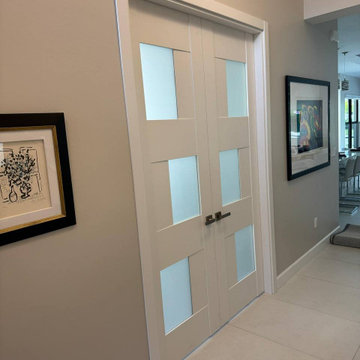
An elegant collection of heavy doors, in which volumetric details create an expressive look for modern neoclassical interiors
Premium decorative films are made on the basis of polypropylene. A special feature of this fims is outstanding imitation effect of a painted surface. Free from solvents and formaldehyde the Premium films are also extremely environmentally friendly and contribute to a healthier living climate. High quality material surface makes it easy to clean and guarantees outstanding resistance against mechanical stress and chemicals..
Finish - white coating.
Door core - MDF (engineered wood).
Thickness of the door - 1 1/2". Thickness of the glass - 1/6", 3 lites of Opaque Glass.
Doors have NO holes for the hardware.
What included:
- 2 door slab;
- casings (2.95" wide);
- pocket frames (require extra 4 1/2" of the opening);
- track;
- hangers;
- door guides;
- bumpers;
-pulls;
- mounting screws;
Pocket Doors Frame What included: (2ea) frame header with preinstalled heavy-duty aluminum track; (4ea) steel wrapped upright pairs; (4ea) self-adjusting floor anchors; (4ea) 3-wheel door hangers, (2ea) door guide; (2ea) door stop; wrench, screws and instructions. Easily assembled and structurally strong pocket door frame; Designed for fast installation in standard 2 x 4 timber or steel frame walls typically sheeted with drywall.
 Design Builders, Inc.
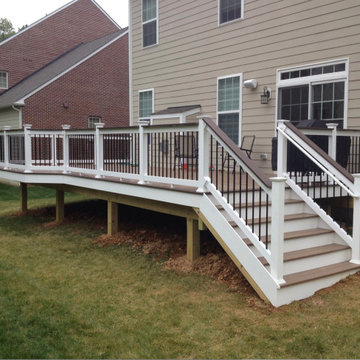
Design Builders, a Virginia Class A licensed contractor (license #2705141736) serving Fairfax County, completed this custom low-maintenance deck in Fairfax, VA. The project features AZEK decking — a premium capped polymer board chosen for its durability and fade resistance in Northern Virginia's climate — paired with Shoreline Railing and black Deckorators balusters for a clean, modern finish. Design Builders is an authorized AZEK dealer and installs composite and PVC decking systems throughout Fairfax County and surrounding Northern Virginia communities. Custom decks by Design Builders are typically priced from $30,000 for standard configurations, with premium material selections ranging $45,000–$60,000+.
 RST Brands
Bring the inside out! The modern, mid-century style that typically steals the attention of interior décor is perfect as an outdoor furniture set. This 7pc dining set offers comfortable seating and durable materials, making it a great set for you and your family to share memorable meals in.
Features:
Set includes six dining chairs and a 78x38-inch dining table.
Table includes a hole in the center for dining umbrellas up to 2-inches in diameter, and can be covered up when not in use.
Modern, mid-century tapered legs add style and flair.
Mixed material frames are paired with designer coordinated base cushions.
Plush, tailored cushions are fully-sewn, quick to dry, and three inches thick.
Materials are engineered to withstand any type of outdoor environment.
Durable, lightweight powder-coated aluminum frame is rust-resistant and long-lasting.
Furniture is easy to clean, keeping your furniture looking just as new as it did the day it arrived.
 Sarlai Home Inc
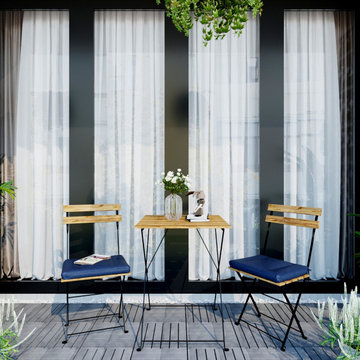
Solid Teak Wood Bistro Set Folding Table And Chair Set Power Coating Frame Patio Set With Waterproof Navy Cushion.
The main material is solid teak and black metal frame with powder coating. The wood part selects the high quality teak, is one of the typical wood of outdoor products. In addition, the wood is coated with a water-based oil to help the product resist water. The steel parts are coated with powder, which helps prevent rust even when used in rainy weather.
Starting afternoon tea on the beach terrace with the bistro is a memorable memory, or in the small garden corner where the family gathers every weekend.
 Moda Furnishings
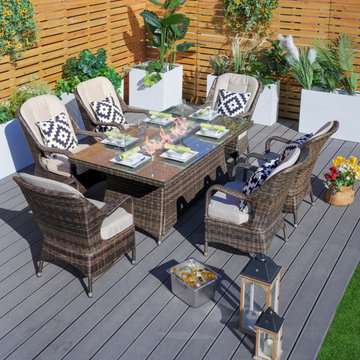
The outdoor patio fire pit table set category features stylish and functional furniture designed to enhance outdoor living spaces. These sets typically include a fire pit table and accompanying seating, creating a cozy gathering area perfect for entertaining or relaxing under the stars. Made from durable, weather-resistant materials, they provide a reliable heat source while adding a touch of modern elegance to patios, decks, or backyards. With adjustable flame settings and easy assembly options, these fire pit tables are ideal for anyone looking to enjoy evenings outdoors in comfort and style.
8