
Search results for "Specified sources" in Home Design Ideas

 Business_Name_Placeholder
Ring Joint Flanges are engineered for demanding piping applications where secure sealing and dependable performance are essential. Buyers can use Pipex.ai as a B2B marketplace to connect with sellers and source suitable flange solutions for oil & gas, petrochemical, power, and process industries. The Ring Joint Flange Weight Chart in KG, MM & PDF helps procurement teams review dimensional and weight information for handling and logistics planning.
Sellers can support buyers with accurate size, pressure class, material, and dimensional details for efficient product selection. The Ring Joint Flange Weight Chart in KG is useful for estimating packaging, transportation, and project requirements, helping buyers manage procurement more effectively.
Growing demand from high-pressure piping and critical industrial projects creates opportunities for sellers offering quality products, competitive pricing, and dependable supply. The Ring Joint Flange Weight Chart can simplify size comparison and weight assessment during bulk procurement through a B2B portal.
 Business_Name_Placeholder
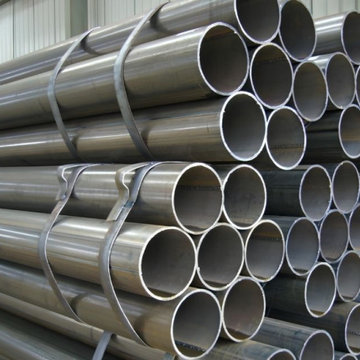
Steel Tubes are widely used in construction, engineering, fabrication, manufacturing, and industrial applications where strength and dimensional accuracy are essential. Buyers can use Pipex.ai as a B2B marketplace to connect with reliable sellers and source suitable products for different project requirements. The Steel Tubes Weight Chart in KG, MM & PDF helps procurement teams compare tube dimensions, sizes, wall thickness, and approximate weights for efficient material planning and logistics.
Sellers can provide accurate details such as steel tube size, outer diameter, wall thickness, length, grade, material, and weight to help buyers make informed purchasing decisions. The Steel Tubes Weight Chart in KG is useful for estimating material quantities, transportation requirements, packaging, handling, and project costs. With growing demand for steel tubes across industrial and infrastructure projects, suppliers can benefit from offering quality products, competitive pricing, and dependable supply through a B2B sourcing platform.
The Steel Tubes Weight Chart makes it easier for buyers to assess different tube sizes and plan bulk purchases according to project needs. A detailed Steel Tube Weight Chart in KG and MM can support procurement, inventory management, and transportation planning. Buyers and sellers can use Pipex.ai to simplify industrial sourcing and connect for suitable Steel Tubes based on specifications, quantity, and application requirements.

 mackmiller design+build
The homeowners requested a green, transitional style remodel of their lower level ¾ bathroom. The vanity features poplar hardwood that was sourced in the US – Midwest and Kentucky and is FSC (Forest Stewardship Council) Certified and the MDF (medium-density fiberboard) used for the drawer fronts and cabinet doors was NAUF (No Added Urea Formaldehyde) Certified. The custom, full-overlay European style cabinetry with Shaker style doors were painted white and finished with a charcoal color, hand-applied glaze. The vanity was painted with zero VOC paint. The walls were painted using Sherwin Williams zero VOC "Harmony" paint. The green wall color was inspired by the green recycled glass found in the custom countertops. The countertops are completely customizable. We specified what percentage of each of the available colors of recycled glass we wanted for the tops. We were also able to specify the base color for the vanity top. The eco-friendly flooring and shower walls are made of an innovative concrete overlay product called Granicrete and was installed by Tom Eaton, who owns Granicrete, MN along with his wife Jean.
Find the right local pro for your project



 Taylored Architecture PLLC
We completely renovated this 1910 arts and crafts style bungalow to retain the original charm of the house, yet update it with modern functionality and amenities. The existing baths and kitchen were in need of major updates. Thus, we were able to add on to the kitchen and update it with a new apron farmhouse sink, custom cabinetry, and modern appliances, including a fun Ruby Red Blue Star range. The bathrooms were reconfigured and re-tiled using materials appropriate for the original era. We sourced arts and crafts style stained glass windows from the 1910 era to create additional charm for the bathroom as well as privacy. The original hardwood floors throughout the house were salvaged and refinished. The original windows were previously replaced. Thus, we specified new windows for the house that are reminiscent to the original windows.

 diveexim
Buy organic spices online wholesale to access suitable bulk quantities of naturally sourced spice products for retailers, restaurants, wholesalers, food manufacturers, distributors, and commercial kitchens. Buyers can review product specifications, packaging formats, quantities, applicable certifications, and quality requirements before confirming an order. Organic spices may include turmeric, cumin, coriander, black pepper, chilli, ginger, cinnamon, and other culinary ingredients. Careful supplier selection, hygienic processing, proper packaging, and dependable shipment coordination can help businesses maintain consistent ingredient quality while supporting their long-term wholesale procurement requirements.
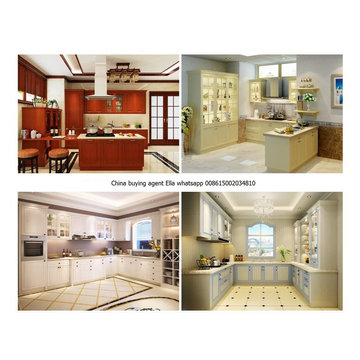
 China buying agent-building materials & furniture
We are China buying agent for building materials and furniture, Sourcing Agent, providing One-Stop Service for Furniture and Building Materials from China.
*Website:www.chinabuyingagent.net , contact Ms Ella +0086 15002034810.
We are cooperating with different Building Materials and furniture factories according to different clients' needs.
We can supply all the design of KITCHEN CABINETS on the catalogs, and for sure customized designs and sizes/thickness are acceptable depends on quantity.
We have been working with Builders,Architects & Building Designers for projects of Hotels, villas, and residential buildings, restaurants and many others. Our reliable suppliers and factories are ready to supply different products at the most competitive cost according to your sizes and designs as per the projects needs.
We offer one stop services on: (1) Sourcing (2) Factory visit (3) Negotiation(4) Quality control(5) Shipping.
By sending us your projects layout and designs in CAD or PDF with required materials details,we could quote you cost accordingly.
WE ARE YOUR LOCAL EYES TO SEE CHINA!
WE ARE YOUR LOCAL MOUTH TO TALK WITH CHINA!
WE ARE YOUR LOCAL HANDS TO GAIN PROFIT FROM CHINA!
Tks&Regards,
Ella Lau
Partner/Project Manager
Tel: 0086 15002034810
Website: www.chinabuyingagent.net
E-mail: chinabuyingagent007@gmail.com

Sponsored
Delaware, OH

Buckeye Basements, Inc.
Central Ohio's Basement Finishing ExpertsBest Of Houzz '13-'21

 Tatiana Almieri Designs LLC
Accessories And Styling By Tatiana Hisel Interior Design
Lesia Wilcox Photography
This newly built home in Sammamish needed distinctive design touches to reflect my clients' personal style. This project was two-fold: first, I was hired to assist them in all the finish selection process with the builder, to ensure we would have a cogent and harmonious palate to work with. I was able to negotiate some minor structural and architectural changes with the builder - minor to the builder but these changes made a big difference in how the house would later function. The second phase of this project was specifying and sourcing all of the custom furnishings, window treatments and rugs. And, finally, we wrapped this project up with the accessories on the "final reveal" day.
 User
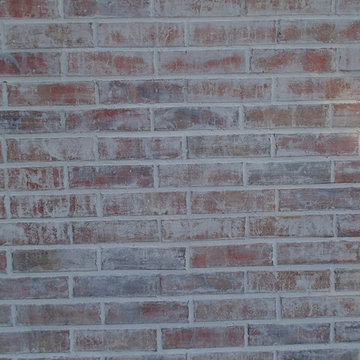
UserThis is an organic Lime Wash done with a true lime wash product as opposed to a brick mortar or concrete that is often seen on new houses. This product can be applied as a solid coating making the surface completely white, or can be applied and "washed off" in many artistic ways, as seen here. If you hate your brick or just want something unique this is a great option!
Photo credit: Jeff Murrey




 Taylored Architecture PLLC
We completely renovated this 1910 arts and crafts style bungalow to retain the original charm of the house, yet update it with modern functionality and amenities. The existing baths and kitchen were in need of major updates. Thus, we were able to add on to the kitchen and update it with a new apron farmhouse sink, custom cabinetry, and modern appliances, including a fun Ruby Red Blue Star range. The bathrooms were reconfigured and re-tiled using materials appropriate for the original era. We sourced arts and crafts style stained glass windows from the 1910 era to create additional charm for the bathroom as well as privacy. The original hardwood floors throughout the house were salvaged and refinished. The original windows were previously replaced. Thus, we specified new windows for the house that are reminiscent to the original windows.





 Tatiana Almieri Designs LLC
Accessories And Styling By Tatiana Hisel Interior Design
Lesia Wilcox Photography
This newly built home in Sammamish needed distinctive design touches to reflect my clients' personal style. This project was two-fold: first, I was hired to assist them in all the finish selection process with the builder, to ensure we would have a cogent and harmonious palate to work with. I was able to negotiate some minor structural and architectural changes with the builder - minor to the builder but these changes made a big difference in how the house would later function. The second phase of this project was specifying and sourcing all of the custom furnishings, window treatments and rugs. And, finally, we wrapped this project up with the accessories on the "final reveal" day.





 Granite Source
Inspiration for a mid-sized u-shaped eat-in kitchen remodel in DC Metro with a drop-in sink, white cabinets, quartz countertops and black appliances
 safe ZOnea
Every year, the same thing happens. The first real snowfall arrives, demand for de-icing materials spikes overnight, and the businesses that waited too long find themselves scrambling for supply at the worst possible moment. Facility managers, property owners, contractors, and municipalities all depend on a steady supply of salt and ice melt to keep their properties safe and operational through winter. The ones who plan ahead sail through. The ones who don't pay more, wait longer, and take on real risk.
Sourcing de-icing materials well is not complicated, but it does require thinking ahead and understanding the options. The choices you make about what to buy, how to buy it, and who to buy it from have a direct effect on your costs, your reliability, and your ability to keep people safe when conditions turn dangerous. This article lays out what matters.
Why Your Choice of Supplier Matters More Than You Think
It is easy to treat de-icing material as a commodity, something you grab whenever you need it without much thought about where it comes from. That works fine until the moment it doesn't, usually in the middle of a storm when everyone needs supply at once and the casual sources have run dry. At that point, the relationships you built before the season become the difference between staying stocked and being stuck.
Reliable supply is the whole game in winter operations. A property that runs out of ice melt during a storm faces safety hazards, liability exposure, and disruption, none of which can wait for a back-ordered shipment. This is why establishing relationships with dependable rock salt suppliers before the season starts is one of the smartest moves a facility manager or contractor can make. It locks in supply, often locks in better pricing, and removes a major source of mid-winter stress.
The lesson here is to treat sourcing as a planning decision rather than a last-minute errand. The businesses that come through winter smoothly are almost always the ones that secured their supply chain early, chose suppliers who could actually deliver when it counted, and never had to gamble on finding material during a shortage. Reliability bought in advance is far cheaper than scarcity paid for in a crisis.
Bagged or Bulk: Matching the Material to the Job
One of the first practical decisions is whether to buy de-icing material in bags or in bulk, and the right answer depends entirely on the operation. Each format has clear advantages, and many operations end up using both for different purposes.
Bagged material offers convenience, control, and easy storage. It is simple to handle, easy to distribute to different locations or crews, straightforward to store without special equipment, and convenient for spot application by hand. It suits smaller properties, businesses without bulk storage, and situations where portion control and tidiness matter. Bulk material, on the other hand, tends to make sense for large operations that go through high volumes, where buying in quantity lowers the per-unit cost and the operation has the equipment and space to store and handle it. The tradeoff is between the convenience and flexibility of bags and the volume economics of bulk.
For many operations, the right approach is a mix: bulk for the high-volume core of the work and bags for flexibility, spot treatment, and locations where bulk handling is impractical. The key is to match the format to how the material will actually be stored, moved, and applied, rather than defaulting to one or the other out of habit. Thinking this through in advance avoids both the waste of over-buying bulk you can't handle and the expense of relying entirely on bags for a large operation.
Rock Salt Is Not Your Only Option
Rock salt, or sodium chloride, is the workhorse of winter de-icing for good reason. It is effective, widely available, and cost-efficient, which makes it the default choice for most operations most of the time. But it has limits, and understanding the alternatives helps you choose the right material for the conditions you actually face.
The most important limitation is temperature. Rock salt becomes less effective as temperatures drop, and in genuinely cold conditions it can struggle to do the job at all. This is where alternatives come in. Calcium chloride, for instance, works at much lower temperatures than rock salt and acts quickly, which makes it valuable when conditions are severe or when fast melting matters. Operations that face hard freezes or need dependable performance in extreme cold often keep calcium chloride for sale on hand for exactly those situations, using it alongside rock salt rather than instead of it.
The practical approach is to understand the conditions your property faces and stock accordingly. For many operations, rock salt handles the bulk of the work while a faster, colder-rated material like calcium chloride covers the extreme days when ordinary salt falls short. Matching the material to the temperature and the urgency of the situation is what separates an operation that stays ahead of winter from one that is constantly reacting to it.
Securing Your Supply Before the Season
Knowing what to buy is only half the equation. The other half is making sure you can actually get it when you need it, which means securing your supply before winter arrives rather than after it has already started. Timing is one of the most underrated factors in winter operations.
The logic is simple. Demand for de-icing materials is highly seasonal and spikes sharply during storms, when everyone needs supply simultaneously. Prices and availability both move against the buyer at exactly those moments. By contrast, planning ahead, estimating your needs and arranging supply before the season, puts you in a far stronger position. Working with established rock salt suppliers ahead of time means your material is accounted for before the rush, often at better pricing and with the confidence that it will be there when the first storm hits.
This kind of planning also lets you think clearly rather than react under pressure. You can estimate your seasonal needs based on your property and past winters, decide on the right mix of materials and formats, and arrange storage in advance. Operations that do this consistently spend less, worry less, and never find themselves making frantic calls during a storm. The effort of planning ahead is modest, and the payoff in reliability and cost savings is substantial.
Storing and Handling What You Buy
Securing supply is not much use if the material degrades before you can use it, which makes proper storage and handling an important and often overlooked part of the equation. De-icing materials are sensitive to moisture, and poor storage can turn a good supply into a clumped, hardened mess that is difficult to apply.
The fundamentals are straightforward. Keep material dry and protected from moisture, since salt and ice melt readily absorb water and can harden if exposed. Store it in a way that suits the format, whether that means a proper bulk storage area or a dry space for stacked bags. Keep it accessible, so crews can get to it quickly when a storm hits and time is short. And handle it with the right equipment for the format and volume, which protects both the material and the people working with it. None of this is complicated, but neglecting it can undermine even a well-planned supply.
Good storage practices protect the investment you made in securing supply early. There is little point in arranging your materials ahead of the season only to have them degrade before use. Treating storage and handling as part of the overall plan, rather than an afterthought, ensures that the material you secured is actually usable when the moment comes. It is the final link in a supply chain built to perform under winter conditions.
Estimating How Much You Actually Need
One question trips up operations of every size: how much de-icing material to buy. Order too little and you risk running short during a storm. Order too much and you tie up money and storage space in material you may not use. Getting the estimate reasonably right is a meaningful part of sourcing well.
Several factors shape the answer. The size and type of the areas you treat, sidewalks, lots, entrances, and drive lanes, set the baseline for how much material each application consumes. The local climate matters too, since colder regions and those with frequent snowfall go through far more material than milder ones. Application frequency depends on how often storms hit and how quickly surfaces need to be cleared, which varies with the kind of property and the expectations of the people who use it. And the type of material plays a role, since different products are applied at different rates.
Past experience is often the best guide. Operations that track what they used in previous winters, adjusted for the size of the property and the severity of the season, can estimate their needs with reasonable confidence. For newer operations without that history, it helps to plan conservatively and to work with a supplier who can replenish stock reliably, so that a low estimate does not turn into a mid-storm shortage.
The goal is not perfect precision but a sound, slightly cautious estimate paired with a dependable supply relationship. That combination lets an operation keep enough material on hand to handle the season without over-committing to volume it cannot store or use. Thinking this through before winter, rather than guessing during it, is one more way that planning ahead pays off when the snow starts to fall.
The Bottom Line
Sourcing de-icing materials well comes down to a few straightforward principles: plan ahead, choose reliable suppliers before the season, match your materials and formats to your actual needs and conditions, and store what you buy properly. The operations that follow these principles move through winter with confidence, while those that improvise pay more and take on needless risk.
Winter is predictable in one respect: it arrives every year, and demand for de-icing material spikes the moment it does. The businesses that prepare for that reality, rather than being surprised by it, are the ones that keep their properties safe, their costs controlled, and their operations running no matter what the season throws at them. A little foresight before the first snowfall pays off through every storm that follows.
 Tatiana Almieri Designs LLC
Accessories And Styling By Tatiana Hisel Interior Design
Photography By Lesia Wilcox Photography
This newly built home in Sammamish needed distinctive design touches to reflect my clients' personal style. This project was two-fold: first, I was hired to assist them in all the finish selection process with the builder, to ensure we would have a cogent and harmonious palate to work with. I was able to negotiate some minor structural and architectural changes with the builder - minor to the builder but these changes made a big difference in how the house would later function. The second phase of this project was specifying and sourcing all of the custom furnishings, window treatments and rugs. And, finally, we wrapped this project up with the accessories on the "final reveal" day.
8