
Search results for "Sunlight" in Home Design Ideas

 Jamie McNeilis, Accredited Staging Professional
Barry Gardner Photography
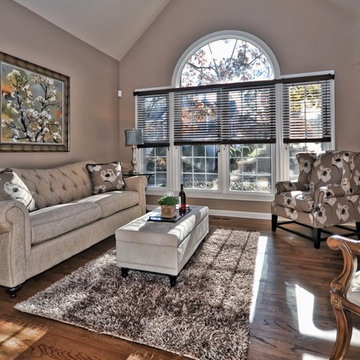
Inspiration for a transitional living room remodel in Charlotte with gray walls
Inspiration for a transitional living room remodel in Charlotte with gray walls

Find the right local pro for your project
 Hughes Umbanhowar Architects
Ken hayden
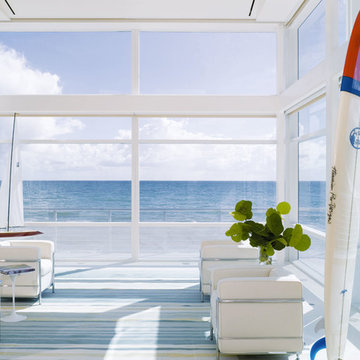
Example of a beach style living room design in Miami with white walls, no fireplace and no tv
Example of a beach style living room design in Miami with white walls, no fireplace and no tv
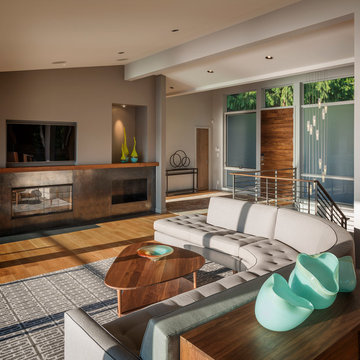
 Dyna Builders
Aaron Leitz Photography
Living room - contemporary living room idea in Seattle with a metal fireplace
Living room - contemporary living room idea in Seattle with a metal fireplace
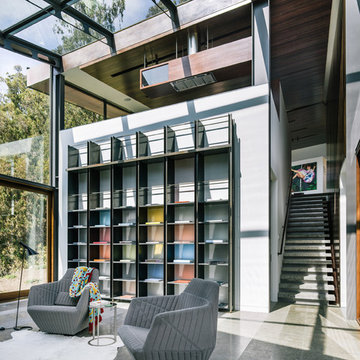
 Fougeron Architecture FAIA
Photo by Joe Fletcher
Large trendy family room photo in San Francisco with white walls
Large trendy family room photo in San Francisco with white walls
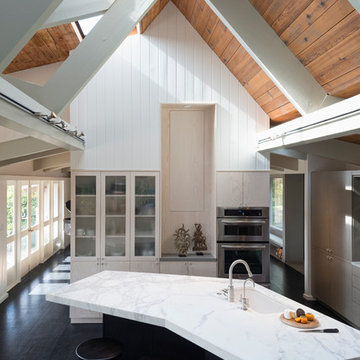
 Kuth Ranieri Architects
© Jasper Sanidad Photography
Example of a trendy kitchen design in San Francisco with an undermount sink, glass-front cabinets, light wood cabinets and stainless steel appliances
Example of a trendy kitchen design in San Francisco with an undermount sink, glass-front cabinets, light wood cabinets and stainless steel appliances
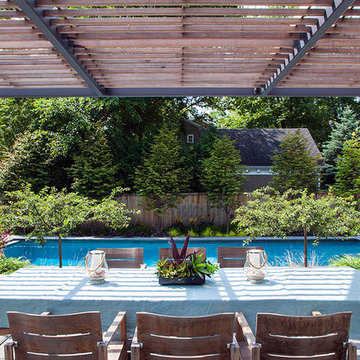

 Chris and Dick's
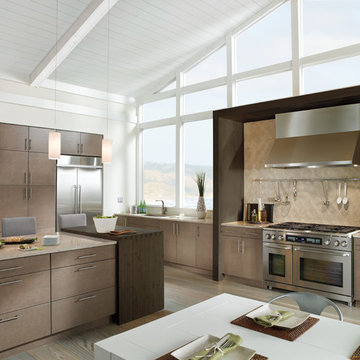
Inspiration for a contemporary single-wall porcelain tile eat-in kitchen remodel in Salt Lake City with flat-panel cabinets, brown cabinets, beige backsplash, stainless steel appliances, stone tile backsplash, an undermount sink, quartz countertops and an island

 Rikki Snyder
Photo: Rikki Snyder © 2013 Houzz
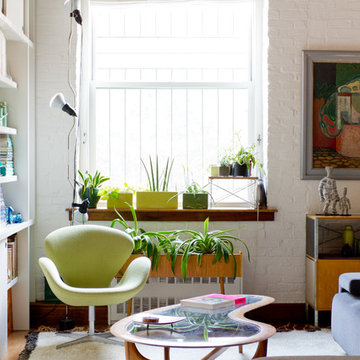
Eclectic living room library photo in New York with white walls
Eclectic living room library photo in New York with white walls
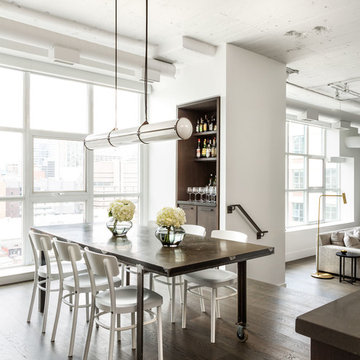
 Croma Design Inc.
Donna Griffith Photography
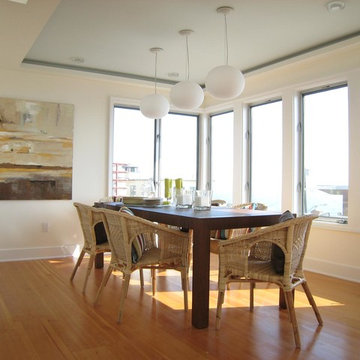
Mid-sized transitional dark wood floor and brown floor great room photo in Toronto with white walls and no fireplace
Mid-sized transitional dark wood floor and brown floor great room photo in Toronto with white walls and no fireplace
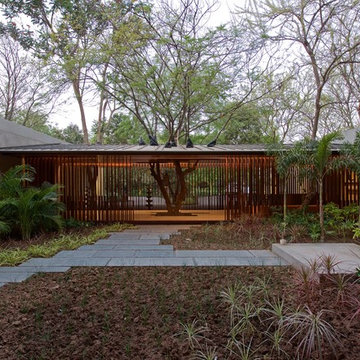

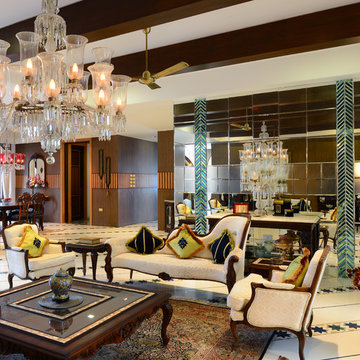
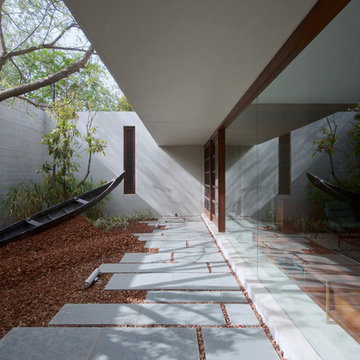
 safe ZOnea
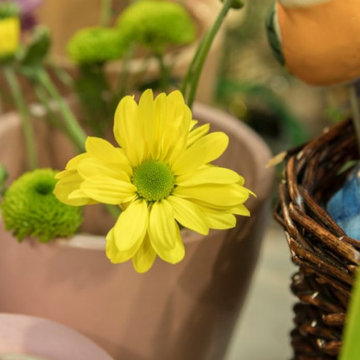
Daylight is a very important factor that influences plant growth and reproduction. Gardeners need to make sure that they measure the length of daylight hours that a plant gets within a 24-hour period. This way, growth can be monitored and regulated.
For sun-loving plants, changes in the length of each day serve as the guide that helps plants transition from vegetative growth to reproductive stages. Changes in seasons and daylight hours have an impact on the adjustment of growth hormones that are responsible for flowering.
Therefore, it’s very important for gardeners to make sure that they conduct thorough research on long-season plants that are adapted to extended sunlight exposure. During this research, it’s not uncommon for gardeners to come across topics related to sativa seeds for sale because these plants are studied for their adaptation to bright, extended growing seasons.
For gardeners that want to experiment with these kinds of plants, sativa seeds for sale can be a good starting point. But in all cases of plant growth for sun-loving plants, the principle is always the same: it’s that daylight acts as a calendar that plants use so they can determine when it’s time for them to reproduce.
Long-Day, Short-Day, and Day-Neutral Responses
Different plants have different responses to light cycles. This is why plants are grouped into long-day, short-day, and day-neutral categories.
Long-day plants are those plants that thrive when daylight goes beyond the critical threshold. This is mostly common in late spring or early summer. A lot of sun-loving ornamental plants and vegetables fall within this category. They always take advantage of the longer days that support energy-intensive flower and seed production.
On the other hand, short-day plants are those that usually flower and thrive when nights grow longer. When temperatures cool or the seasonal rainfall patterns change, these plants tend to thrive. Sure, these plants still require strong sunlight. However, it’s their uninterrupted time in the dark that triggers their reproductive phase.
For day-neutral plants, it’s age and environmental stress that impacts their reproductive phase. However, they still do benefit from adequate sunlight.
It’s very important for gardeners to understand these categories so that they can plan what to grow in their garden with each turn of the season. By doing this, it’s easier to guarantee better results in one’s garden.
Why Sunlight Duration Matters More Than Intensity Alone
It’s not only the sun’s intensity that should be taken into account when growing a garden. It’s also very important to take note of sunlight duration, which is actually more important for plants.
Sure, light intensity does influence photosynthesis. However, it’s the duration of sunlight exposure that plays an important regulatory role. When plants are exposed to sunlight longer, they are able to produce more carbohydrates through photosynthesis. This helps them build the energy reserves they need to grow buds and flowers.
However, if a plant does not get enough sunlight time, there is a huge chance that the plant will not bloom at all. If you have observed plants that grow very quickly but do not flower, the reason is that it doesn’t get enough sunlight time. Therefore, it’s very important to monitor sunlight duration in order to make sure that plants will actually grow buds and flowers.
Practical Implications for Garden Planning
When gardeners understand the impact of daylight hours on plants, they are able to plan their gardens more effectively. After all, seasons do change and the conditions brought by each season will definitely have a huge impact on plant growth. Once gardeners have the right knowledge in terms of which categories plants belong to, they can easily decide which plants to grow at any given time.
It’s not enough to just rely on sunlight intensity and then expect plants to grow buds and flowers. It’s also very important to take into account the duration of sunlight time for each plant. By having this understanding, gardeners will become more effective when it comes to making sure that flowering occurs.
 Building Designers Association of Australia
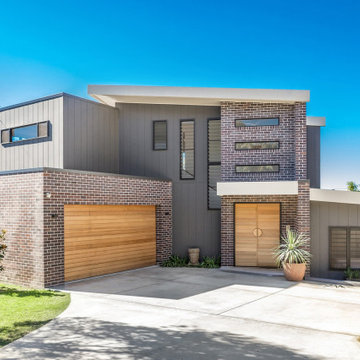
The knock down & rebuild revolution is here to stay. This new modern family home replaces a tired old house that was not designed to capitalise on its location, whereas this new contemporary modern building has been designed to capitalise on the natural environment – natural sunlight, sea breezes & sea views, to create a very liveable coastal family home. This new residence with its contemporary coastal styling utilises the natural finishes of modern materials to ground this family home’s context into this locations evolving executive seaside neighbourhood. This buildings design is a balance of form & function with a deliberate consideration of passive solar liveable design techniques, designed to capture the natural sunlight, sea breezes & sea views that this property offers. This new residence has been designed with a variety of indoor & outdoor living areas to capitalise on the natural environment & climate of this property’s location. This house incorporates design elements to allow the house to be comfortable all year round, providing a variety of areas for occupants to utilise, whether it be capturing natural sunlight & warmth in winter, creating cooling cross ventilation from sea breezes in summer & then there is the direct access to a beautifully natural landscaped garden, this new house will provide the occupants with a low maintenance, healthy living environment for years to come.
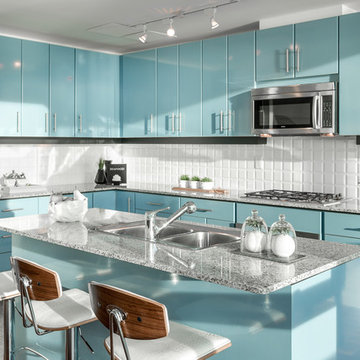
Kitchen - contemporary u-shaped kitchen idea in Vancouver with a double-bowl sink, flat-panel cabinets, blue cabinets, white backsplash, stainless steel appliances and an island
 PlaidFox Studio
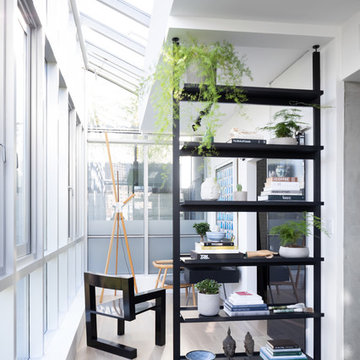
Study room - small eclectic freestanding desk light wood floor and beige floor study room idea in Other with white walls
9