
Search results for "Temperature" in Home Design Ideas
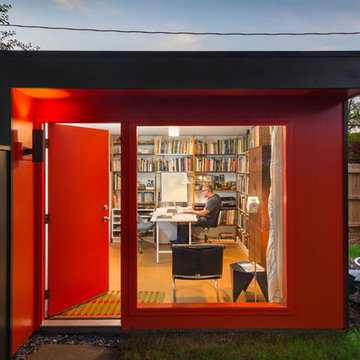
 FORWARD Design | Architecture
Bob Greenspan
Inspiration for a small modern built-in desk cork floor shed remodel in Kansas City with white walls
Inspiration for a small modern built-in desk cork floor shed remodel in Kansas City with white walls

 PlushBeds
When you upgrade to today's luxury mattress standards, you'll want a bed that's 100% natural, chemical free, luxuriously comfortable, and long-lasting.
Plushbeds is proud to offer 100% Natural Sri Lankan Botanical Latex with no synthetic blends or petroleum based products. With a more dense, supportive 100% natural dunlop core to prevent sagging and a less-dense top layer of 100% natural talalay latex for maximum pressure relief, you receive a mattress that offers optimized pressure relief and uncompromising support, resulting in deeper, restorative sleep.
Our Botanical Bliss covers are created with soft Joma New Zealand 100% natural wool. The Botanical Bliss mattress is ideal for those who suffer from feather, down, or synthetic bedding products allergies. Our quilted mattress covers are naturally fire-resistant, ensure natural temperature regulation, are hypoallergenic, antimicrobial, and are dust mite resistant.
Plushbeds Botanical Bliss 100% Organic Natural Latex Mattress comes in 9", 10" and 12" and in soft (19-21 ILD); medium (24-26 ILD); medium-firm (29-31 ILD) and extra-firm (34-36 ILD), in the following sizes:
Twin (38" x 75")
Twin XL (38" x 80")
Full (54" x 75")
Queen (60" x 80")
King (76" x 80")
Cal King (72" x 84")
Split King (2) Twin XL
PlushBeds is not just a mattress retailer, but also the manufacturer. This gives us a broad range of options in the comfort levels we can offer. Each mattress is custom made and we can accommodate virtually any request.
The PlushBeds comfort exchange program offers an affordable and convenient solution to adjusting your mattress firmness without the hassle of having to return the whole mattress. PlushBeds offers removable, adjustable layers so you can simply unzip your cover and rotate your layers of latex to adjust the firmness of your mattress.
If you decide that your Plushbeds latex mattress is not for you within 100 nights of receiving your mattress, just call us and we'll pick up the mattress for a full refund of your purchase price, minus a flat $99 return shipping fee.
The latex mattresses we deliver to our customers are the same latex mattresses we sleep on ourselves, which is why we are proud to offer the strongest 25 year manufacturer's warranty in the industry.
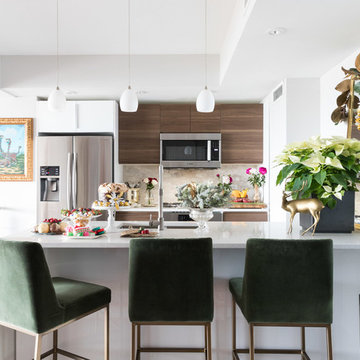
 Crystal Blackshaw Interiors
Erin Tyrou
Example of an eclectic u-shaped dark wood floor and brown floor kitchen design in Chicago with an undermount sink, flat-panel cabinets, dark wood cabinets, beige backsplash, stainless steel appliances, a peninsula and white countertops
Example of an eclectic u-shaped dark wood floor and brown floor kitchen design in Chicago with an undermount sink, flat-panel cabinets, dark wood cabinets, beige backsplash, stainless steel appliances, a peninsula and white countertops
Find the right local pro for your project
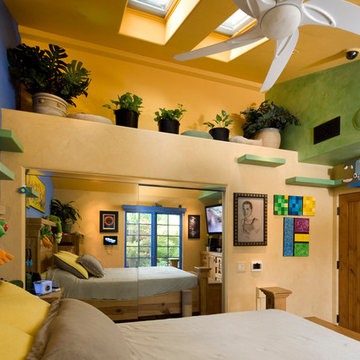
 Trillium Enterprises, INC.
Bedroom lit by skylights features catwalks. © Holly Lepere
Bedroom - eclectic guest bedroom idea in Santa Barbara with beige walls
Bedroom - eclectic guest bedroom idea in Santa Barbara with beige walls



 InnovationLand
Patio kitchen plans these days require the ability to incorporate high-tech, modern appliances into rustic, timeless – even ancient-looking – outdoor design styles.
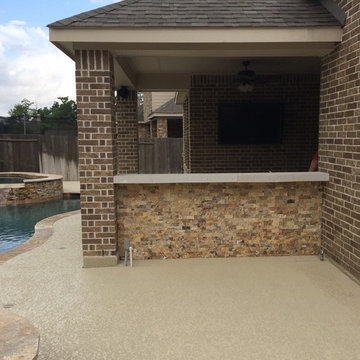
You can see this juxtaposition pulled off perfectly in this outdoor kitchen by Outdoor Homescapes of Houston.
“A smart patio kitchen plan requires not only a balance of the new and old,” says Outdoor Homescapes owner Wayne Franks, “but a blending of new elements – like an outdoor kitchen – with the existing home and outdoor living features like a pool, hardscaping or landscaping.”
In this case, explains Franks, the existing 25-by-15-foot pool had a craggy edge of moss rock boulders, plus a spa and firepit faced with a rough Scabos splitface travertine.
“The overall look was rustic and naturalistic,” says Franks, “so we of course wanted the new outdoor kitchen island to match.”
Hence the 14-foot-long outdoor kitchen island with a raised bar, also faced in the Scabos splitface travertine and topped with a Normandy granite countertop. The hardscaping around it is Kool Deck® textured concrete.
“People used to shy away from busy textures in outside patio kitchen plans, but now they’re embracing them,” notes Franks. “They’re increasingly attracted to the beautiful imperfections and irregularities of nature – there’s more of an authenticity and character to it.”
Now, for the high-tech part: A Traeger wood pellet grill. Traeger grills are becoming increasingly popular for their ability to infuse amazing, rich flavor and for their versatility (they can grill, bake, smoke, slow cook, braise and barbecue).
This premier model, the Memphis Pro 304, features 562 square inches of cooking space and a three-in-one cooking system (high-temperature grill, low-and-low smoker and true-convection-oven roasting and baking). It also has an intuitive Intelligent Temperature Control (see the display panel to the left of the grill) that can be set for cooking and internal temperature.
A programmable food probe tells you when the internal temperature is reached and drops the grill down to a programmed lower temperature to keep the food warm till serving.
The dual-fan convection system, with reliable metal blades, circulates heat evenly for tender, juicy results. Double-walled and sealed construction of 304 stainless steel allows for optimum heat retention and consistent temperatures in all weather conditions. A direct-flame “flavorizer” insert delivers the added flavor of a seared finish.
Outdoor Homescapes also added a mount sink with a custom oil-rubbed bronze faucet by Moen and the following RCS stainless steel accessories: a pull-out trash door, a countertop trash chute, dual horizontal grill utensil drawers and a swing-out storage door.
“At first, you’d think all this technology and the smooth, modern stainless steel would fight with the rustic look of the rough-faced stone in outdoor patio kitchen plans,” says Franks. “But it actually provides some visual rest from all the rugged textures and busyness.”
Serving a similar function is the smooth, polished Scabos travertine tile used for the pool coping and firepit ledge.
“It’s a perfect environment for the client to entertain business associates,” says Franks. “He’s very happy with the old-meets-new approach, and so are we.”
More patio kitchen plans can be found at Outdoor Homescapes of Houston’s website, at www.outdoorhomescapes.com

 Nifelle Design - Fine Interiors
David Papazian
Inspiration for a transitional dining room remodel in Portland
Inspiration for a transitional dining room remodel in Portland

 Material Design Build
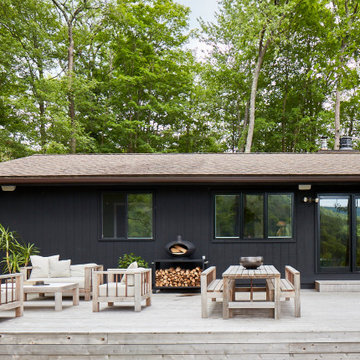
We built the deck with STK-grade cedar that continuously wrap the sides and risers. Railings are 1" copper piping.
Large danish backyard deck photo in New York with a roof extension
Large danish backyard deck photo in New York with a roof extension
 Kate Grzymala Design
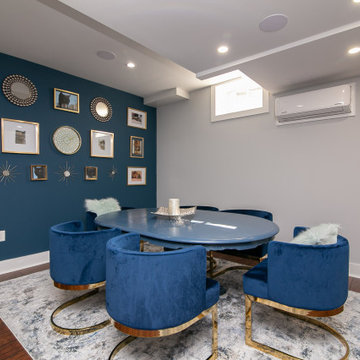
Inspiration for a contemporary look-out medium tone wood floor and brown floor basement remodel in Philadelphia with gray walls and no fireplace
 Universal Appliance and Kitchen Center
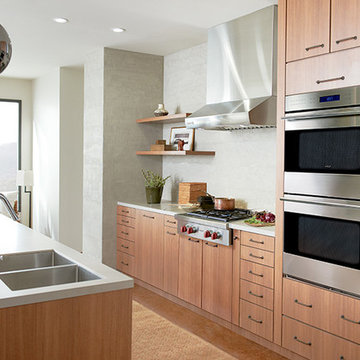
Wolf 30" E Series Transitional Built-In Double Oven Stainless Steel | DO30TE
Available at Universal Appliance and Kitchen Center | uakc.com
New stainless steel touch-control panel:
A favorite of chefs, the easy-to-master control panel now has a sleeker, cleaner look, with the same precise control of temperature, timer and mode settings — all visible via crisp LCD display.
Coordinated design styles:
Built to beautifully complement other Wolf products such as microwaves and warming drawers, ovens are available in three coordinating trim styles for easy customization.
Dual convection:
Two dedicated heating elements distribute heat evenly throughout the oven, for faster and better-tasting results — especially when using multiple racks at once.
10 one-touch cooking modes:
Each mode uses a distinct combination of heat source and airflow, providing the right cooking environment for every dish and ensuring delicious results.
Cobalt blue porcelain interiors:
Wolf's signature aesthetics enhance the ovens' interior, creating a bold cooking backdrop.
Temperature probe:
The temperature probe alerts you when your dish has reached the desired temperature, eliminating guesswork when preparing roasts and other meats.
Smooth door opening and closing:
Say goodbye to the sound of oven-door slams. Doors on built-in E series ovens open and close quietly and effortlessly, thanks to a balanced door hinge system.
Home automation compatible:
Select built-in E series oven features can be controlled via an existing home automation system for enhanced convenience.
Convenient features:
Ease-of-use is enhanced with self-clean, delayed start, timed cook and Sabbath mode settings.
Lower oven features:
The lower oven is a standard, non-convection oven offering four cooking modes (bake, broil, roast and proof).
Adjustable oven racks:
Each built-in E series oven comes standard with three adjustable racks: one standard rack, one full-extension easy-glide rack and one full-extension door-glide rack — placing heavier dishes safely within reach.
Obstacle-free cooking environment:
A hidden bake element allows for obstacle-free cleaning of the oven's floor, and a recessed broil element provides more room for large dishes.
Design flexibility:
Built-in E series ovens can be installed flush with surrounding cabinetry to complement an overall integrated kitchen design.
Enhanced interior views:
Large, double-pane glass door windows and bright, dual halogen lights give you a clear view of your dish without having to open the door and disturb the cooking environment.
Technical Features:
Dimensions: 29 7/8"W x 50 3/8"H x 23 3/4"D
Star-K Kosher certified as Sabbath and holiday-compliant
 kmjee
kmjeePepper plants are a delightful addition to any garden, offering a vibrant burst of color and spice to your culinary creations. However, even experienced gardeners can encounter challenges when growing pepper plants. In this blog, we'll explore some common issues you might face and provide practical solutions to help your pepper plants thrive.
1. Slow or Stunted Growth
Issue: Slow or stunted growth in pepper plants can be discouraging, but there are specific steps you can take to address this issue effectively.
Solution:
a. Soil Health:
- Well-Draining Soil: Ensure your pepper plants are in well-draining soil to prevent waterlogged roots, which can inhibit growth.
- Organic Matter: Incorporate plenty of organic matter, such as compost or well-rotted manure, into the soil to improve its texture and nutrient content.
- pH Level: Test the soil pH and adjust it to the ideal range between 6.0 and 6.8 using lime or sulfur as needed.
b. Fertilization:
- Balanced Fertilizer: Use a balanced, slow-release fertilizer designed for vegetables to provide essential nutrients steadily throughout the growing season.
- Compost: Amend the soil with compost to enhance nutrient availability and soil structure. This can promote healthier growth.
c. Watering:
- Consistent Moisture: Maintain consistent soil moisture levels by watering your pepper plants regularly but avoid waterlogging. Aim for 1-2 inches of water per week, adjusting based on your local climate and weather conditions.
- Mulching: Apply mulch around the base of the plants to retain soil moisture and regulate temperature.
2. Yellowing Leaves
Issue: Yellowing leaves can be a sign of various underlying problems, but addressing them promptly can restore the vibrancy of your pepper plants.
Solution:
a. Nutrient Deficiencies:
- Balanced Fertilization: Use a well-balanced fertilizer that includes micronutrients to address nutrient deficiencies.
- Specific Nutrients: If you suspect a particular deficiency, such as magnesium, iron, or nitrogen, apply the appropriate nutrient supplement following package instructions.
b. Pest and Disease Control:
- Pest Inspection: Regularly inspect the leaves and stems for common pests like aphids and mites. Remove affected leaves and treat with organic pesticides if necessary.
- Disease Management: Look out for signs of diseases like bacterial leaf spot or fungal issues. Apply organic fungicides or bactericides as recommended.
3. Blossom Drop
Issue: When pepper plants drop their blossoms prematurely, it can hinder fruit development and lead to disappointment.
Solution:
a. Temperature Control:
- Stable Temperatures: Ensure your pepper plants are exposed to consistent temperatures between 70°F and 80°F (21°C to 27°C) during flowering. Avoid sudden temperature fluctuations by providing shelter or using row covers.
b. Pollination:
- Assist with Pollination: If growing peppers indoors or in a greenhouse, help with pollination by gently shaking the plants or using a small brush to transfer pollen between flowers. Outdoor pepper plants are usually pollinated by insects.
4. Wilting Plants
Issue: Wilting or drooping pepper plants can be a sign of various problems, but proper care can revive them.
Solution:
a. Watering:
- Consistent Moisture: Adjust your watering routine to keep the soil consistently moist but not waterlogged. Water early in the day to prevent fungal issues.
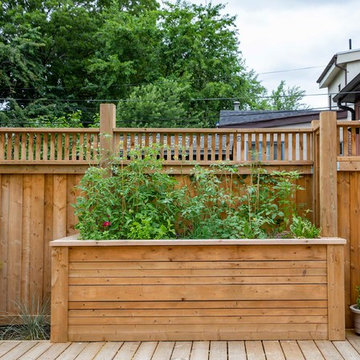
- Drainage: Ensure proper soil drainage by amending the soil or using raised beds to prevent waterlogged roots.
b. Pest Control:
- Pest Inspection: Examine the undersides of leaves for signs of pests like aphids, spider mites, or whiteflies. Treat infestations promptly with biological insecticides.
5. Curling Leaves
Issue: Curling or misshapen leaves indicate stress in pepper plants, which can be caused by various factors.
Solution:
a. Environmental Stress:
- Stable Conditions: Ensure your pepper plants are in an environment with stable humidity, temperature, and adequate air circulation. Avoid sudden changes in conditions.
- Proper Ventilation: Adequate air circulation can reduce humidity and prevent fungal issues.
b. Pest and Disease Management:
- Pest Inspection: Regularly inspect your plants for pests and diseases, addressing them promptly with organic remedies as needed.
6. Sunscald
Issue: Sunscald can lead to discolored, leathery patches on pepper fruits when exposed to intense sunlight.
Solution:
a. Shade Cloth:
- Sun Protection: Shield your pepper plants from harsh sunlight during the hottest part of the day using shade cloth or by planting them where they receive some filtered sunlight.
b. Pruning:
- Fruit Shading: Prune excess foliage to allow better fruit shading, reducing the risk of sunscald. Ensure that there's a balance between foliage and fruit.
7. Pepper Plant Pests and Diseases
Issue: Aphids, mites, whiteflies, and various diseases can affect pepper plants, but you can manage them effectively.
Solution:
a. Regular Inspection:
- Vigilant Monitoring: Regularly inspect your pepper plants for signs of pests or diseases, paying close attention to the undersides of leaves and stems.
b. Organic Remedies:
- Pest Control: Use organic remedies like neem oil, insecticidal soap, or diatomaceous earth for pest control.
- Disease Management: Apply organic fungicides or bactericides as recommended to manage diseases like powdery mildew or bacterial spot.
While growing pepper plants can present various challenges, these common issues are manageable with the right knowledge and care. Regular monitoring, proper soil preparation, and timely intervention can help you enjoy a bountiful harvest of vibrant, spicy peppers. Remember that gardening is a learning experience, and each challenge you face is an opportunity to improve your skills and enjoy the rewards of homegrown peppers in your favorite dishes.

 Matthews Studio
Photography By Matthew Millman
Example of a huge trendy open concept carpeted and beige floor living room design in San Francisco with beige walls, a standard fireplace, a tile fireplace and no tv
Example of a huge trendy open concept carpeted and beige floor living room design in San Francisco with beige walls, a standard fireplace, a tile fireplace and no tv
 SabaRehman Abdulrehman
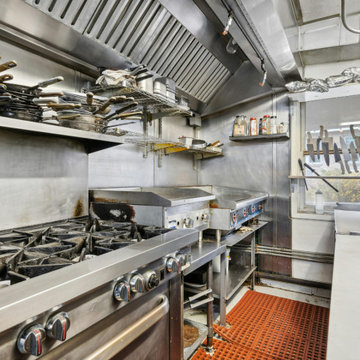
Phoenix's food scene is vibrant and thriving, but also one of the most closely watched in the country. Health inspectors in Maricopa County are strict, and customers expect spotless dining spaces.
To stay competitive, restaurant owners and food vendors must stay on top of evolving health codes, sanitation protocols, and food safety benchmarks. That starts with a firm grip on restaurant cleaning safety standards. Ignoring sanitation rules risks more than bad reviews. It invites citations, customer complaints, and operational shutdowns.
Whether you're operating a food truck or a restaurant, following these Phoenix cleaning standards helps you stay compliant, pass health inspections, and build customer trust.
Importance of a Clean Phoenix Restaurant that Follows Food Health and Safety Standards
The restaurant industry in Phoenix operates under strict oversight. The Maricopa County Environmental Services Department conducts regular inspections, and violations can result in fines or closures. In this climate, restaurant cleaning is not just a hygiene standard. It is a business-critical measure.
Proper food handling and establishment cleaning protocols reduce the risk of foodborne illnesses, control pests, protect equipment, and keep your staff safe. Inconsistent practices, on the other hand, can quickly become liabilities.
Start With the Food Code
Phoenix food vendors must comply with the 2017 FDA Food Code as adopted by Maricopa County. This includes rules on:
- Sanitizing food-contact surfaces after each use
- Maintaining proper water temperatures for dishwashing
- Cleaning restrooms frequently and keeping them stocked
- Storing cleaning chemicals away from prep areas
- Daily: Wipe prep tables, mop floors, clean grills, sanitize cutting boards
- Weekly: Deep clean kitchen hoods, polish cooking equipment, disinfect drains
- Monthly: Check pest control measures, clean freezer coils, and inspect HVAC filters
- Using the right sanitizers and PPE
- Logging cleaning times and who performed the task
- Identifying signs of mold, grease buildup, or rodent activity
- Conducting thorough surface cleaning to ensure all food-contact surfaces are sanitized regularly
- Food-safe and non-corrosive
- Effective against norovirus, salmonella, and E. coli
- Clearly labeled and stored in original containers
- Seal gaps around doors and pipes
- Store dry goods in sealed, elevated containers
- Keep outdoor waste bins locked and distanced from entry points
- Record cleaning completion in real time
- Alert managers when tasks are missed
- Keep a historical record for inspections
- Is certified and understands the Arizona food codes
- Provides documented service reports
- Offers customized cleaning plans
- Offers flexible scheduling around your operating hours
- Cross-contamination prevention: Regularly clean food prep surfaces and tools, and use separate equipment for raw meats, vegetables, and ready-to-eat foods. Proper cleaning prevents any contact with food that could lead to cross-contamination and affects food quality.
- Temperature monitoring: While not directly related to cleaning, maintaining proper food temperature is essential. Hot foods should be stored above 140°F, and cold foods below 40°F. Regularly monitor temperatures and clean temperature gauges to ensure accuracy.
- Proper storage: Use clean storage containers and shelving for food storage, keeping items off the floor. Ensure all food is sealed and labeled to avoid contamination risks and comply with food safety standards.

 Lanefab Design/Build
Mid-sized trendy concrete floor and gray floor bedroom photo in Vancouver with white walls

 Margot Hartford Photography
Photo: Margot Hartford Photography © 2016 Houzz
Example of a trendy bathroom design in Amsterdam
Example of a trendy bathroom design in Amsterdam

9