

Canned lights in kitchen
12 years ago
Sort by:Oldest
Comments (5)

Related Stories
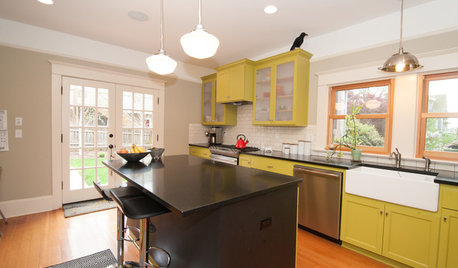
KITCHEN DESIGNKitchen of the Week: What a Difference Paint Can Make
A bold move gives a generic Portland kitchen personality without a major overhaul
Full Story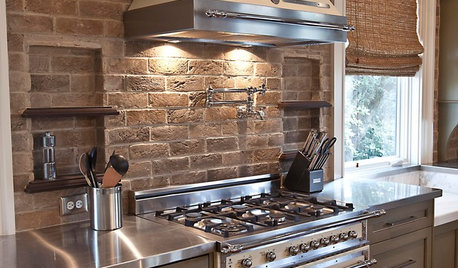
KITCHEN DESIGNYes, You Can Use Brick in the Kitchen
Quell your fears of cooking splashes, cleaning nightmares and dust with these tips from the pros
Full Story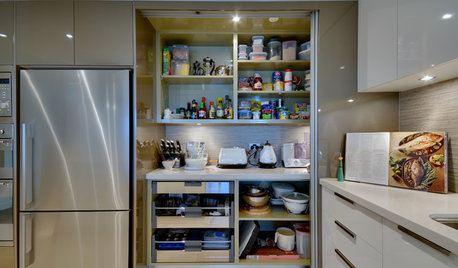
KITCHEN STORAGEMove Over, Soup Cans — the Kitchen Appliances Are Here
Design a pantry with room for mixers, coffeemakers and more, for less countertop clutter and handy access
Full Story
BATHROOM DESIGN15 Ways a Mirror Can Light Up Your Morning
Reflect a Chic Look With (If Not In) Your Bathroom Mirror
Full Story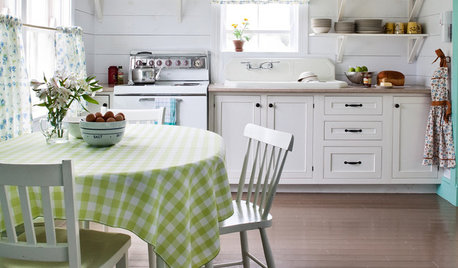
KITCHEN DESIGNThe Cure for Houzz Envy: Kitchen Touches Anyone Can Do
Take your kitchen up a notch even if it will never reach top-of-the-line, with these cheap and easy decorating ideas
Full Story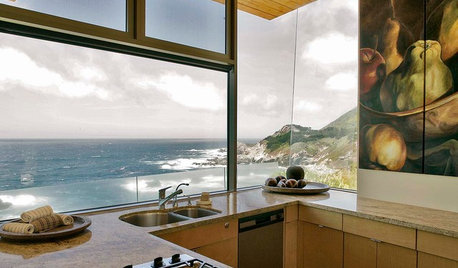
KITCHEN DESIGNWe Can Dream: 28 Kitchens With Breathtaking Views
In these homes, the best view in the house might just be from behind the kitchen counter
Full Story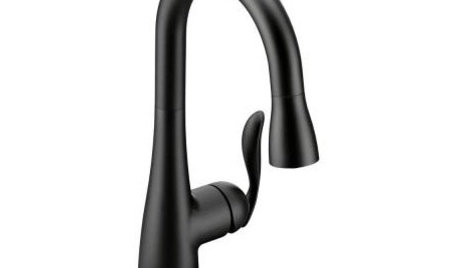
PRODUCT PICKSGuest Picks: 19 Kitchen Upgrades for When You Can't Afford an Overhaul
Modernize an outdated kitchen with these accents and accessories until you get the renovation of your dreams
Full Story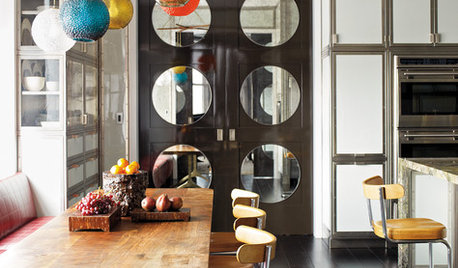
KITCHEN DESIGNTrend Alert: Swinging Doors Can't Miss for Convenience
Create accessibility and elegance in one fell swoop with a swinging door modernized for today's homes
Full Story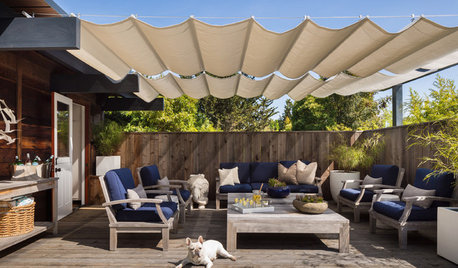
MIDCENTURY HOMESHouzz Tour: How Can We Get Invited to This Awesome Midcentury Home?
A redwood-clad gem in California’s Marin County features a dreamy outdoor oasis with an open-door policy for the homeowners’ friends
Full Story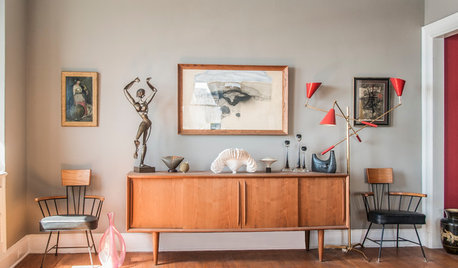
DECORATING GUIDES10 Ways a Red Lamp Shade Can Sass Up a Room
Energize a neutral palette, refine a rustic look ... where a red shade goes, liveliness is sure to follow
Full StorySponsored

Leading Interior Designers in Columbus, Ohio & Ponte Vedra, Florida
heidilawrencedesign
Madison Lighting
Related Professionals
Southaven Interior Designers & Decorators · Davenport Interior Designers & Decorators · Waterloo Interior Designers & Decorators · Worcester Interior Designers & Decorators · Saginaw Interior Designers & Decorators · Hackettstown Interior Designers & Decorators · Santa Rosa Interior Designers & Decorators · Salt Lake City Interior Designers & Decorators · College Station Architects & Building Designers · Champaign Architects & Building Designers · Sioux Falls Architects & Building Designers · Amarillo Architects & Building Designers · Cumberland Kitchen & Bathroom Designers · Casper Kitchen & Bathroom Designers · Riverton Kitchen & Bathroom DesignersUser
Madison Lighting
User