

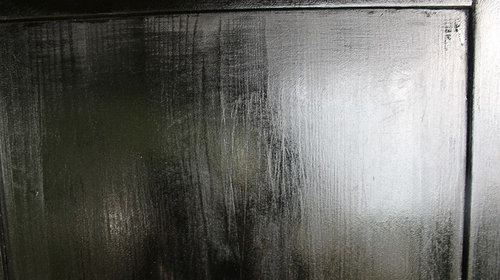
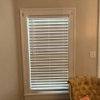
Help ! Stained door has sander marks on it
12 years ago
last modified: 12 years ago
Featured Answer
Sort by:Oldest
Comments (13)
 12 years ago
Related Professionals
Indianapolis Interior Designers & Decorators · Beaumont Interior Designers & Decorators · New London Interior Designers & Decorators · Magog Interior Designers & Decorators · Jacksonville Architects & Building Designers · Texarkana Architects & Building Designers · Grand Island Architects & Building Designers · Las Cruces Architects & Building Designers · Sarnia Architects & Building Designers · Miami Kitchen & Bathroom Designers · Atlanta Kitchen & Bathroom Designers · Winston-Salem Kitchen & Bathroom Designers · Hobbs Kitchen & Bathroom Designers · Sheridan Kitchen & Bathroom Designers · Ottawa Kitchen & Bathroom Designers PRO12 years ago
 PRO12 years ago
- PRO12 years agolast modified: 12 years ago
 PRO12 years ago
 PRO12 years ago
- PRO12 years ago
- 12 years ago
- 12 years ago
- PRO12 years ago
- PRO12 years ago
- PRO12 years agolast modified: 12 years ago
Related Stories
BACKYARD STUDIOSSee Why This Architect's Office Has a Built-In Safety Net
A Maine backyard studio gets high marks for energy efficiency, and its safety-net hangout adds low-tech fun
Full Story
LIFEHouzz Call: What Has Mom Taught You About Making a Home?
Whether your mother taught you to cook and clean or how to order takeout and let messes be, we'd like to hear about it
Full Story
UNIVERSAL DESIGNMy Houzz: Universal Design Helps an 8-Year-Old Feel at Home
An innovative sensory room, wide doors and hallways, and other thoughtful design moves make this Canadian home work for the whole family
Full Story
WOODKnotty and Nice: Highly Textured Wood Has a Modern Revival
Whether it's cedar, fir or pine, if a wood has a knot, it's hot
Full Story
COLORPick-a-Paint Help: How to Quit Procrastinating on Color Choice
If you're up to your ears in paint chips but no further to pinning down a hue, our new 3-part series is for you
Full Story
SMALL SPACESDownsizing Help: Where to Put Your Overnight Guests
Lack of space needn’t mean lack of visitors, thanks to sleep sofas, trundle beds and imaginative sleeping options
Full Story
HOUZZ TOURSMy Houzz: ‘Everything Has a Story’ in This Dallas Family’s Home
Gifts, mementos and artful salvage make a 1960s ranch warm and personal
Full Story
REMODELING GUIDESWisdom to Help Your Relationship Survive a Remodel
Spend less time patching up partnerships and more time spackling and sanding with this insight from a Houzz remodeling survey
Full Story
SELLING YOUR HOUSE10 Low-Cost Tweaks to Help Your Home Sell
Put these inexpensive but invaluable fixes on your to-do list before you put your home on the market
Full Story
MOVINGRelocating Help: 8 Tips for a Happier Long-Distance Move
Trash bags, houseplants and a good cry all have their role when it comes to this major life change
Full Story
Al Fortunato Furnituremaker