

Parsley Root?
17 years ago
Sort by:Oldest
Comments (8)
Related Stories
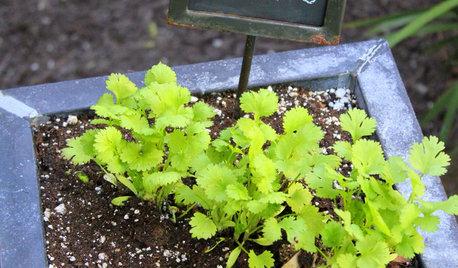
GARDENING GUIDESHerb Garden Essentials: Versatile Cilantro Adds Flavor to Herb Gardens
Love it or hate it, this cool-season herb contributes its unique flavor to any number or the world’s cuisines
Full Story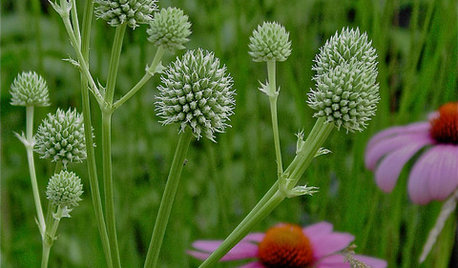
GARDENING GUIDESGreat Native Plant: Rattlesnake Master for Unique Interest
Serpents actually don’t give a hoot about this prairie wildflower, but insects do — and the foliage is a big draw too
Full Story
HERBSHow to Grow Herbs Indoors
Have a sunny window? Enjoy the flavor of fresh herbs year-round by growing them in the house
Full Story
FARM YOUR YARDAn Urban Greenhouse Overflows With Edibles
Making meals just means stepping into the yard for a San Francisco couple who revamped an old orchid house
Full Story
GARDENING GUIDESHerb Garden Essentials: Grow Your Own Delicious Mint
Pull out a pot for this one. Mint's spreading habit and hard-to-kill nature can be a blessing — if you're properly prepared
Full Story
GARDENING GUIDES6 Plants That Beat Butterfly Bush for the Wildlife Draw
It's invasive, a nonnative and a poor insect magnet. Check out these better alternatives to butterfly bush in the garden
Full Story
GARDENING GUIDES9 Self-Seeders Capture Chelsea Flower Show Magic
Give your garden show-worthy style with these plants beloved by top designers
Full StoryEDIBLE GARDENS12 Essential Herbs for Your Edible Garden
Make home cooking and drinks even better with herbs plucked from your own backyard or windowsill pot
Full Story
GARDENING FOR BUTTERFLIESBe a Butterfly Savior — Garden for the Monarchs
Keep hope, beauty and kindness alive in the landscape by providing a refuge for these threatened enchanters
Full Story
GARDENING GUIDES10 Easy Edibles for First-Time Gardeners
Focus on these beginner-friendly vegetables, herbs, beans and salad greens to start a home farm with little fuss
Full StorySponsored

Central Ohio's Trusted Home Remodeler Specializing in Kitchens & Baths

cabrita
holly-2006
Related Professionals
Florence Landscape Architects & Landscape Designers · Enfield Landscape Architects & Landscape Designers · Dothan Landscape Contractors · Vincennes Landscape Contractors · Toms River Landscape Contractors · Orangeburg Landscape Contractors · Lynchburg Landscape Contractors · Omaha Landscape Contractors · Colorado Springs Landscape Contractors · Las Cruces Landscape Contractors · Salem Landscape Contractors · Sarasota Accessory Dwelling Units · New Haven Accessory Dwelling Units · Ithaca Accessory Dwelling Units · Bennington Accessory Dwelling Unitswild_foragerOriginal Author
denninmi
denninmi
cabrita
wild_foragerOriginal Author
denninmi