

compaction issue
20 years ago
Sort by:Oldest
Comments (5)
Related Stories

THE HARDWORKING HOMESmart Ways to Make the Most of a Compact Kitchen
Minimal square footage is no barrier to fulfilling your culinary dreams. These tips will help you squeeze the most out of your space
Full Story
DECORATING GUIDESCompact Living: Tips and Tricks for Every Room
From big-picture insight to detailed room-by-room strategies, these guides will help you get the most out of a tricky area
Full Story
CONTEMPORARY STYLEHouzz Tour: Sophistication and Style in a Compact London Flat
A dysfunctional Victorian-era apartment gets a glamorous update that reconfigures rooms and adds visual interest
Full Story
DECORATING GUIDESDownsizing Help: Color and Scale Ideas for Comfy Compact Spaces
White walls and bitsy furniture aren’t your only options for tight spaces. Let’s revisit some decorating ‘rules’
Full Story
BATHROOM DESIGNBuilt-ins Boost Storage in Small Bathrooms
Need more space for sundries in a compact bathroom? Check out these 10 innovative ideas for building storage into the plan
Full Story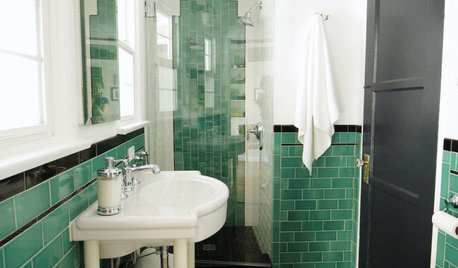
BATHROOM MAKEOVERSRoom of the Day: Retro Style Returns to a 1930s Bathroom
A compact guest bathroom in Southern California livens up with color, Art Deco details and space savers
Full Story
GARDENING GUIDESGardening Solutions for Heavy Clay Soils
What’s a gardener to do with soil that’s easily compacted and has poor drainage? Find out here
Full Story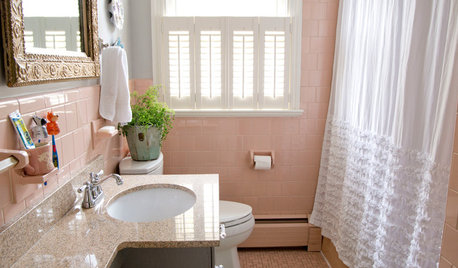
BATHROOM DESIGNHouzz Call: Have a Beautiful Small Bathroom? We Want to See It!
Corner sinks, floating vanities and tiny shelves — show us how you’ve made the most of a compact bathroom
Full Story
THE HARDWORKING HOME12 Smart Designs for Small-Space Living
The Hardworking Home: Furnish your compact rooms more efficiently with these creative built-ins and adjustable pieces
Full Story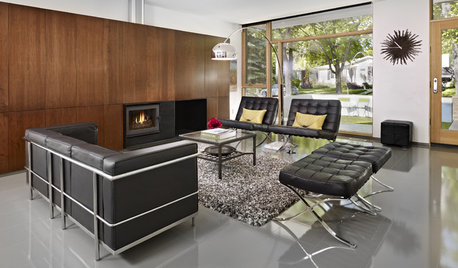
SMALL SPACESTimeless Design Ideas for Small Spaces
Classic to inventive, these design moves use intelligence in the battle to live comfortably in a compact space
Full Story

suzi7
tapla (mid-Michigan, USDA z5b-6a)
Related Professionals
West Palm Beach Landscape Architects & Landscape Designers · Columbia Landscape Architects & Landscape Designers · Hartford Landscape Architects & Landscape Designers · Pittsfield Landscape Architects & Landscape Designers · Lewiston Landscape Architects & Landscape Designers · Potsdam Landscape Architects & Landscape Designers · Santa Fe Landscape Architects & Landscape Designers · Spanish Fork Landscape Architects & Landscape Designers · Yakima Landscape Architects & Landscape Designers · Manhattan Landscape Contractors · Pittsburg Home Builders · Asheville Home Builders · Rochester Home Builders · Watertown Home Builders · Seattle Home Builderskcmo_donOriginal Author
tapla (mid-Michigan, USDA z5b-6a)
calistoga_al ca 15 usda 9