

Direct seeding kale
16 years ago
Featured Answer
Sort by:Oldest
Comments (10)
 16 years ago
- 16 years ago
Related Professionals
Williamsport Landscape Architects & Landscape Designers · Chula Vista Landscape Architects & Landscape Designers · Pine Bluff Landscape Contractors · Winston-Salem Landscape Contractors · Myrtle Beach Landscape Contractors · Plainfield Landscape Contractors · Albert Lea Landscape Contractors · Los Angeles Landscape Contractors · Louisville Accessory Dwelling Units · Murfreesboro Accessory Dwelling Units · Taunton Accessory Dwelling Units · Marinette Accessory Dwelling Units · San Bernardino Accessory Dwelling Units · Eureka Accessory Dwelling Units · Provo Accessory Dwelling Units- 16 years ago
- 16 years ago
- 16 years ago
- 16 years ago
- 16 years ago
- 16 years ago
- 16 years ago
Related Stories

GARDENING GUIDESSeeds or Seedlings? How to Get Your Garden Started
Growing delicious herbs and vegetables starts with knowing your goals and when you want to plant
Full Story
GARDENING GUIDESHow to Plant a New Lawn From Seed
Choose from more grass varieties and save money over sod by starting your lawn from seed
Full Story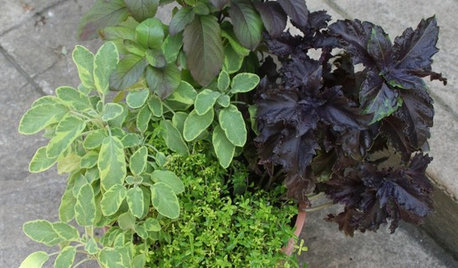
CONTAINER GARDENS8 Easy Container Plants to Grow From Seed
Get beautiful blooms and herbs in summer by starting these choice garden picks from seed in spring
Full Story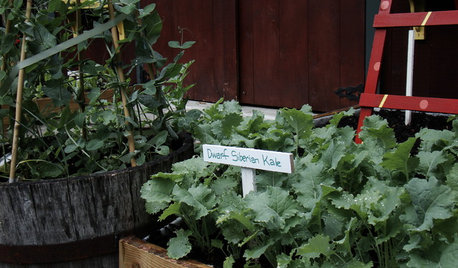
EDIBLE GARDENSCool-Season Vegetables: How to Grow Kale
This leafy green superfood is also a superhero in the garden through fall chills and winter snow
Full Story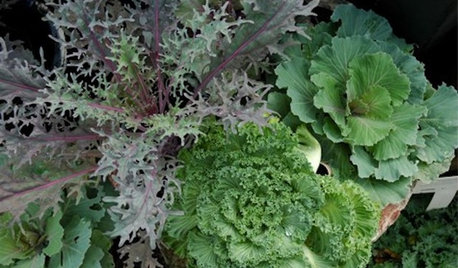
WINTER GARDENINGGreat Design Plant: Ornamental Cabbage and Kale
Yes, you can actually eat them. Or you can just marvel at their striking, unusual foliage during all four seasons in the garden
Full Story
WINTER GARDENINGExtend Your Growing Season With a Cold Frame in the Garden
If the sun's shining, it might be time to sow seeds under glass to transplant or harvest
Full Story
GARDENING GUIDESTexas Gardener's February Checklist
Show roses some love around Valentine's Day and set the stage for future garden growth with seeds and starts
Full Story
REGIONAL GARDEN GUIDESNortheast Gardener's April Checklist
Revel in the wonders of spring by babying bulbs, sprinkling seeds for root crops and setting out some nibbles for the birds
Full Story
GARDENING GUIDESPacific Northwest Gardener: What to Do in July
Deadheading spent flowers, keeping up with watering and starting seeds indoors are the biggest gardening tasks for July
Full Story0
SOUTHWEST GARDENINGTexas Gardener's December Checklist
Northern neighbors may be hibernating, but in the South it's time to lavish care on fruit trees, flower seeds and bulbs
Full Story
Sponsored

bagardens (Ohio, Zone 5b)