Software
Houzz Logo Print
chicagodeli37

New..requesting help with vegetable garden.

14 years ago

Looking for some help starting a vegetable garden behind my house in Chicago. I've never done any gardening before but have the time and drive to have a successful garden. Just not the experience.

I have a 8�10 area of grass that needs to be dug up and I am assuming coveted with topsoil..?


I would like to plant: tamatoes,

cucumbers, carrots, peppers, herbs.

And any other I can fit or go well with that group.

Here is a list of questions. Any help would be greatly appreciated

How do I Start? Soil?

Pots?

Straight into group with topsoil?

What can I start now inside?

When can I plant my first outside?

Any opinions on what to grow?

Comments (3)

  • 14 years ago
    last modified: 11 years ago

    A bit late for this but this is a method you COULD have used...

    Here is a link that might be useful: garden bed from patch of lawn.

  • 14 years ago
    last modified: 11 years ago

    Click on the link below, it explains how I did it and shows what can be grown with ZERO delay.

    Out of that little patch I got
    19 lbs of Sugar Snap Peas
    91 lbs of Pumpkin
    43 lbs of Cucumbers
    164 lbs of Tomatoes
    18 lbs of Onions
    39 lbs of Lettuce
    and lots of pretty flowers ;-)

    {{gwi:23496}}

    {{gwi:23499}}

    {{gwi:23507}}

    {{gwi:23511}}

    {{gwi:23508}}

    {{gwi:23523}}

    {{gwi:23525}}

    {{gwi:23528}}

    {{gwi:23531}}

    {{gwi:23533}}

    {{gwi:23534}}

    {{gwi:26737}}

    Here is a link that might be useful: Planting on Grass

  • 14 years ago
    last modified: 11 years ago

    ASSUMPTIONS

    the ground is probably frozen, and maybe covered with snow
    you've done a little reading already, but can't find a step by step guide to go from grass to garden
    you have a little time and money to get things going

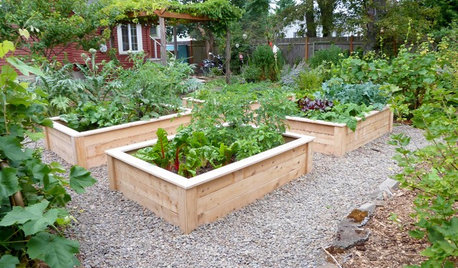
    8 by 10 is not a huge space, with the right tools, fitness, and timing you could dig it in an afternoon. There are several ways to start a garden in lawn, but the fastest one is to dig. Lasagna gardening, about which you will hear much here, is a good method, especially if digging is hard for you, but takes time and materials. Building framed raised beds wnd filling them with soil is fast and effective, but the most expensive option. Only you can decide which is the best one.

    There are people here who garden for fun, people who feed their families, and people who feed hundreds of people. They all do things differently because of the scale of their efforts. The reason you want to start a garden is not unimportant, because there is no sense telling you a highly productive method if your primary motivation is fun - growing a lot of food is, simply, a lot of work, with hard labor and tedium both parts of the process. Growing a beautiful garden, is harder than growing a few vegetables to harvest every week, but that is just what a lot of people choose to do. Deciding why you want to garden will help to define how you should garden, including what kind of approach you should take in starting one.

    According to the map I will link you to below, Chicago is in Zone 5b. That tells you how cold it gets in an average winter. Haardiness zones are the first guideline to look at to know what will be able to survive where you are year round, but they give a guideline to everyone here about where you are, so we can give you better information. Put that on your member page so people who are answering your questions will have that to work with.

    Your Last Frost Date is mid to late April. That means you have 2 months to get things ready before you can safely put a lot of plants outside. That's a good thing, because in some ways you are getting a late start.

    Your First Frost Date is the last ten days of October. That is when some of your plants will likely die without taking steps to keep them going, but others will be okay, and still others will start to thrive. The months between Last and First frost are all the time you have to work with to grow tomatoes and cucumbers and many herbs, but you could be planting carrots in less than a month and eating a third planting of carrots in December.

    Chicago Drought Conditions are listed as Very Moist. This means that drainage could be an issue in your garden, and indicates that raised beds might be an advantage for you.
    For most vegetables this is a good thing, for some herbs, it makes things more difficult.

    Chicago was built on the edge of a lake that has shrunk considerably over the eons. The soil was originally rich loam overlying dense clay, but there was a lot of fill added as the city was built. The loam is great, it is a part of what made Illinois wealthy in the first place. The underlying clay has a lot of good plant nutrients, but will impede drainage. There is no way to tell if you have fill on top of that, or what that was, or how it affects the quality of your soil and its' appropriateness for growing food - a big problem in urban gardens is lead. A soil test will determine that for you and you should have a good soil lab right in the city to test it for you.

    20 minutes ago I didn't know anything about Chicago gardening, but I've been a market gardener in zone 5b in Maine for almost 30 years, so I know where to look and what to look for. For anyone new to gardening, not knowing where to start or what questions to ask is a big first step.

    As you do your research and give us more details, we can continue to refine our suggestions about what you should do next. The link below will give you some good ideas. You should also go to the library and see if they have books on Urban Gardening, Lasagna Gardening, Square Foot Gardening, and Four Season Gardening.

    The more often you visit this site, the more answers you'll get. Those who persevere, succeed.

    Here is a link that might be useful: Extension service

Sponsored
Wannemacher Interiors
Average rating: 5 out of 5 stars26 Reviews
Customized Award-Winning Interior Design Solutions in Franklin Cnty OH