

A few questions for tapla
16 years ago
Sort by:Oldest
Comments (4)
Related Stories
COFFEE WITH AN ARCHITECTA Few Things I Would Like to Ask Frank Lloyd Wright
It could take a lifetime to understand Frank Lloyd Wright's work — less if we had answers to a few simple questions
Full Story
COFFEE WITH AN ARCHITECTA Quiz for Architects in Question
Should you trade in your T-square for a barista tray? Answer a few simple questions to find out
Full Story
MOST POPULARA Few Words on the Power of Simplicity
An architect considers a pared-down approach to modern home design
Full Story
DREAM SPACESJust a Few Things for the Dream-Home Wish List
A sunken hot tub, dedicated game room, tree house, hidden wine cellar and more. Which of these home luxuries would you like best?
Full Story
ORGANIZINGDo It for the Kids! A Few Routines Help a Home Run More Smoothly
Not a Naturally Organized person? These tips can help you tackle the onslaught of papers, meals, laundry — and even help you find your keys
Full Story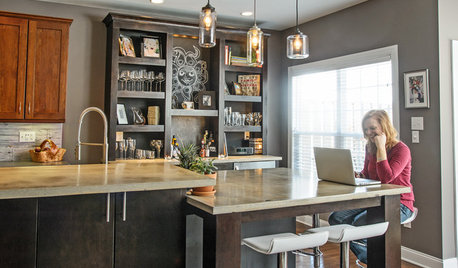
INSIDE HOUZZInside Houzz: The Right Kitchen Counters in Just a Few Clicks
Concrete kitchen countertops eluded this Pennsylvania homeowner until she turned to Houzz
Full Story
Easy Green: 6 Must-Answer Questions Before You Buy
Thinking about buying ecofriendly furniture? For a truly environmentally conscious home, ask yourself these questions first
Full Story
WORKING WITH PROS10 Questions to Ask Potential Contractors
Ensure the right fit by interviewing general contractors about topics that go beyond the basics
Full Story
WORKING WITH PROS9 Questions to Ask a Home Remodeler Before You Meet
Save time and effort by ruling out deal breakers with your contractor before an in-person session
Full Story
LIGHTING5 Questions to Ask for the Best Room Lighting
Get your overhead, task and accent lighting right for decorative beauty, less eyestrain and a focus exactly where you want
Full Story

tapla (mid-Michigan, USDA z5b-6a)
ykerznerOriginal Author
Related Professionals
Fayetteville Landscape Architects & Landscape Designers · Elmira Landscape Architects & Landscape Designers · Provo Landscape Architects & Landscape Designers · Ocala Landscape Contractors · Louisville Landscape Contractors · Brooklyn Landscape Contractors · Pittsburgh Landscape Contractors · Murrieta Landscape Contractors · El Paso Landscape Contractors · Evanston Landscape Contractors · Gainesville Home Builders · Hagerstown Home Builders · Florence Home Builders · Alexandria Home Builders · Grand Island Home Buildersgreenman28 NorCal 7b/8a
tapla (mid-Michigan, USDA z5b-6a)