

corn planting
17 years ago
Sort by:Oldest
Comments (4)

Related Stories
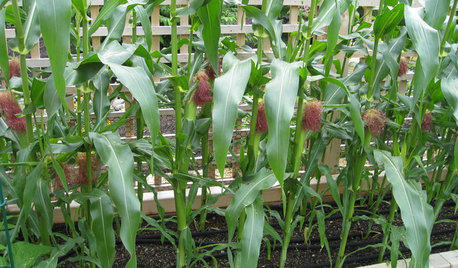
SUMMER FRUITS AND VEGETABLESHow to Grow Your Own Fresh, Sweet Corn
Here's how to plant and care for your own mini cornfield
Full Story
GARDENING GUIDES8 Plants for a Deliciously Fragrant Fall Garden
Scent the autumn air with the perfume of caramel corn, honey and spices by adding these intoxicating plants to your landscape
Full Story
GARDENING GUIDESInvite Mining Bees to Your Garden by Planting Their Favorite Plants
Look for mining bees (Andrena) pollinating woodland wildflowers in U.S. gardens this spring
Full Story
CONTAINER GARDENSFreshen Up the Bath With Lush and Healthy Plants
Learn how to choose and care for plants that will do well in your space
Full Story
HOUSEPLANTS10 Top Plants to Grow Indoors
Brighten a room and clean the air with a houseplant that cascades artfully, stretches toward the ceiling or looks great on a wall
Full Story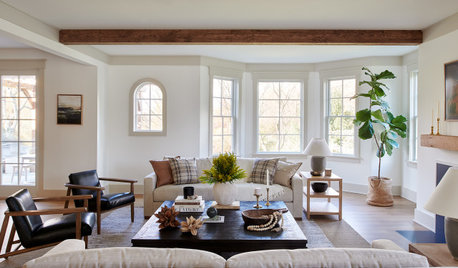
HOUSEPLANTS8 Essentials for Healthy Indoor Plants
Houseplants add so much to our homes — and can thrive when grown in the right conditions. Keep these tips in mind
Full Story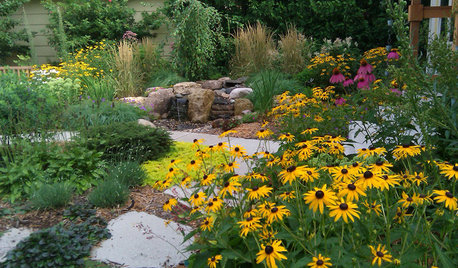
FLOWERSRudbeckia Mania: Go Beyond Black-Eyed Susan in the Garden
Branch out from typical nursery fare, with lesser-known Rudbeckia species that have delightfully unexpected features
Full Story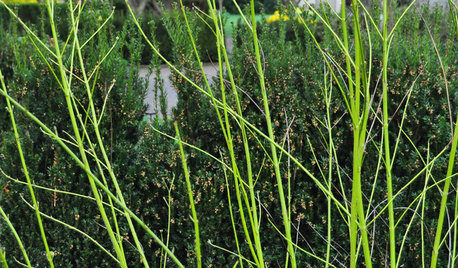
Wake Up Your Garden With Lime-Colored Plants
A sprinkle of bright lime foliage can invigorate darker green garden areas and enliven shady spots all around your landscape
Full Story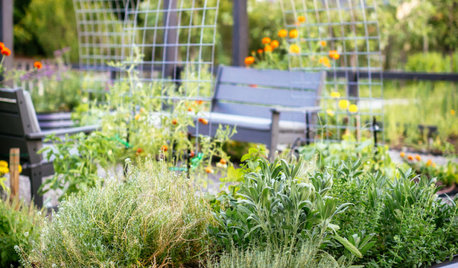
GARDENING GUIDES12 Edibles Perfect to Plant in Late Summer
Keep those homegrown vegetables and greens coming well into fall
Full Story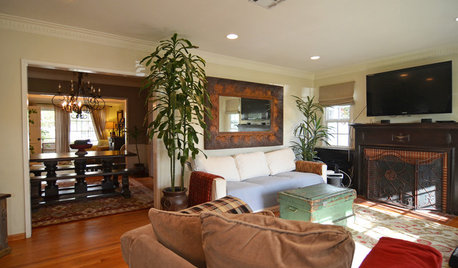
HOUSEPLANTSAim High With This Tall African Houseplant
Corn dracaena can give you a big splash of green with little fuss
Full Story


hokiehorticulture
digdirt2
Related Professionals
Sebring Landscape Architects & Landscape Designers · Gulfport Landscape Architects & Landscape Designers · Toms River Landscape Architects & Landscape Designers · Lynchburg Landscape Architects & Landscape Designers · Detroit Landscape Architects & Landscape Designers · Eugene Landscape Architects & Landscape Designers · Kennewick Landscape Architects & Landscape Designers · Watertown Landscape Contractors · Longview Landscape Contractors · Middletown Accessory Dwelling Units · Fall River Accessory Dwelling Units · Canton Accessory Dwelling Units · Williamsport Accessory Dwelling Units · Chula Vista Accessory Dwelling Units · Leamington Accessory Dwelling Unitsjimster
eaglesgarden