

compost perlite mix
16 years ago
Sort by:Oldest
Comments (3)
Related Stories

GARDENING GUIDESGet on a Composting Kick (Hello, Free Fertilizer!)
Quit shelling out for pricey substitutes that aren’t even as good. Here’s how to give your soil the best while lightening your trash load
Full Story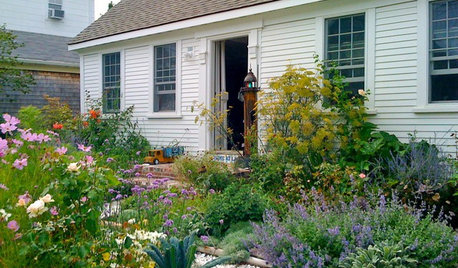
GARDENING GUIDESVegetables and Flowers Mix in Beautiful Edible Gardens
Ornamentals, meet your edible garden mates. We know you'll get along just beautifully
Full Story
GARDENING GUIDESHouzz TV: Make a Worm Bin for Rich Soil and Happy Plants
A worm-powered compost bin that can fit under a sink turns food scraps into a powerful amendment for your garden. Here’s how to make one
Full Story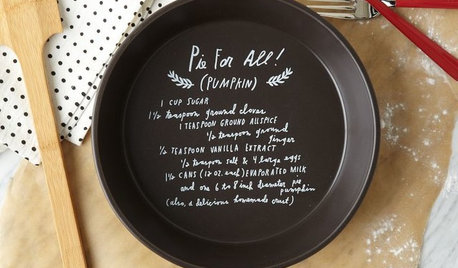
PRODUCT PICKSGuest Picks: Fall Entertaining Favorites
Make autumn feasts a piece of cake with chic compostable plates, pretty glasses, pie accessories and more
Full Story
FARM YOUR YARDHow to Grow Vegetables in Containers
Get glorious vegetables and fruits on your patio with a pro’s guidance — including his personal recipe for potting mix
Full Story
CONTAINER GARDENSContainer Gardening Basics: The Dirt on Soil
Learn the types of potting soil available and the best mixes to help your containers thrive
Full Story
GARDENING AND LANDSCAPINGBuild a Raised Bed to Elevate Your Garden
A bounty of homegrown vegetables is easier than you think with a DIY raised garden bed to house just the right mix of soils
Full Story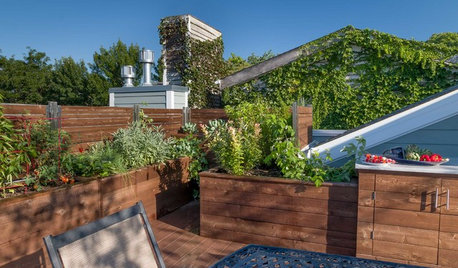
GARDENING GUIDES10 Tips for Beginning Gardeners
With a simple sketch, basic tools and the right plants, you’ll be on your way to growing your first flowers or edibles
Full Story
FARMHOUSESHouzz Tour: Barns Inspire a Modern Farm Compound
Classic gabled looks mix with modern solar panels, universal design and more in the California hills
Full Story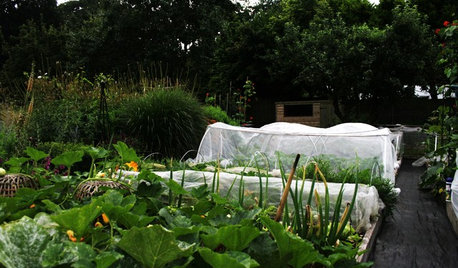
EDIBLE GARDENSFood and Community Thrive in a U.K. Allotment Garden
Get a peek at a rented garden plot in England where edibles and flowers mix and local residents can mingle
Full Story

tapla (mid-Michigan, USDA z5b-6a)
tomatomanicOriginal Author
Related Professionals
Saginaw Landscape Architects & Landscape Designers · Oneonta Landscape Architects & Landscape Designers · Oxnard Landscape Architects & Landscape Designers · Sanford Landscape Architects & Landscape Designers · Starkville Landscape Contractors · Winona Landscape Contractors · Chula Vista Landscape Contractors · Richmond Home Builders · Marietta Home Builders · Fall River Home Builders · Willmar Home Builders · Lima Home Builders · Napa Home Builders · Olympia Home Builders · Amherstburg Home Builderstapla (mid-Michigan, USDA z5b-6a)