

Herbs in container
21 years ago
Sort by:Oldest
Comments (9)
Related Stories
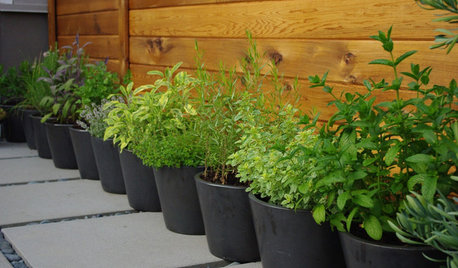
GARDENING GUIDES4 Herb Container Gardens for Fabulous Global Cuisine
Tingle your taste buds with the unbeatable taste of fresh herbs in your Italian, Asian, Mexican or French fare
Full Story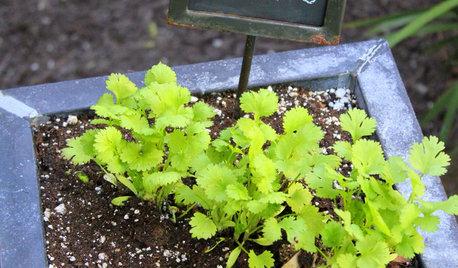
GARDENING GUIDESHerb Garden Essentials: Versatile Cilantro Adds Flavor to Herb Gardens
Love it or hate it, this cool-season herb contributes its unique flavor to any number or the world’s cuisines
Full Story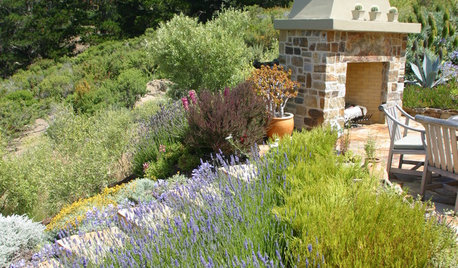
GARDENING AND LANDSCAPINGEasy Herbs for Every Space
Resilient and forgiving, herbs like mint, thyme and rosemary are simple to grow and look great in both containers and landscape designs
Full Story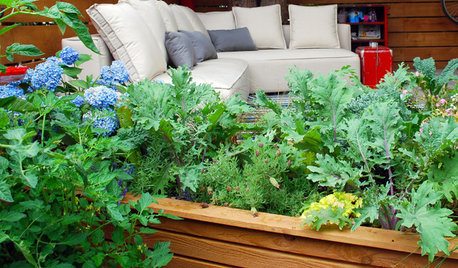
GARDENING GUIDESStep Right Outside for Fresh Herbs and Vegetables
Decks and patios can be convenient spots for edibles, and sometimes they even offer advantages over backyard gardens
Full Story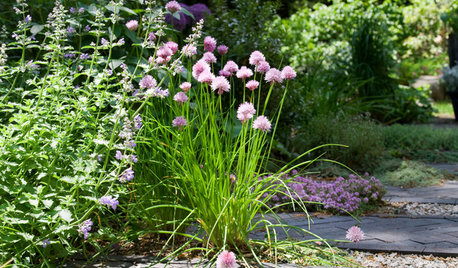
EDIBLE GARDENS8 Surefire Vegetables and Herbs for Beginning Gardeners
Learn the edible plants that are popular and easy to grow in a backyard or container garden
Full Story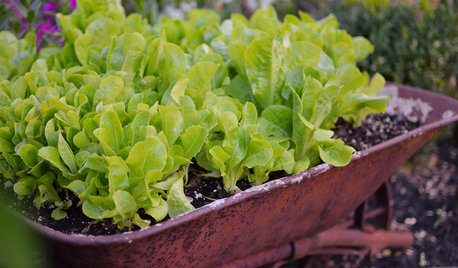
FARM YOUR YARD10 Easy Edibles to Grow in Containers
These herbs, vegetables and fruits are just as happy in a pot as they are in the ground
Full Story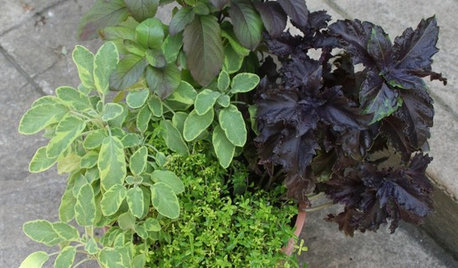
CONTAINER GARDENS8 Easy Container Plants to Grow From Seed
Get beautiful blooms and herbs in summer by starting these choice garden picks from seed in spring
Full Story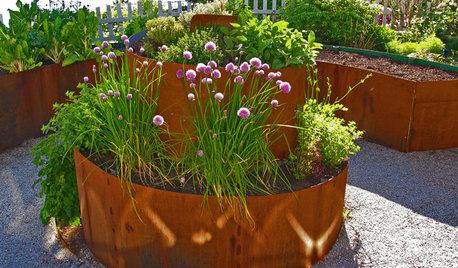
URBAN GARDENSContainers Make Growing Edibles a Cinch
If life hands you a lack of land, grow lemons — with a few basics, you can proudly reap the fruits, veggies and herbs of your labor
Full Story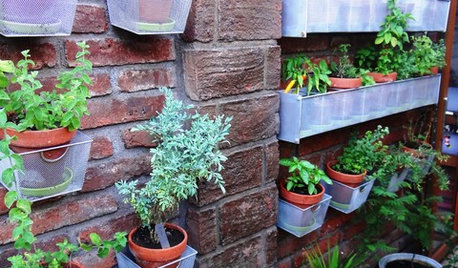
GARDENING GUIDES9 Fresh Herbs for Crowd-Pleasing Thanksgiving Dishes
Pluck these herbs from a windowsill pot or a garden for a Thanksgiving meal that sings with fresh flavor
Full Story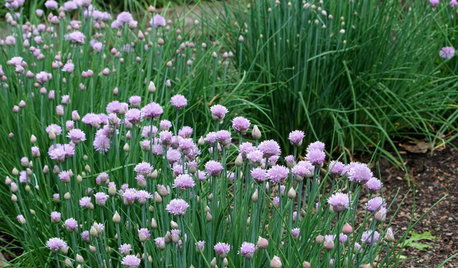
HERBSHerb Garden Essentials: How to Grow Chives
This decorative and delicately flavored herb from the onion family is easy to grow indoors and out
Full Story

tapla (mid-Michigan, USDA z5b-6a)
drasaid
Related Professionals
Morgan City Landscape Architects & Landscape Designers · Lawrenceburg Landscape Architects & Landscape Designers · Torrington Landscape Architects & Landscape Designers · Little Rock Landscape Contractors · Macon Landscape Contractors · Petersburg Landscape Contractors · Newburyport Landscape Contractors · San Angelo Landscape Contractors · Bismarck Landscape Contractors · Washington Home Builders · Effingham Home Builders · Evansville Home Builders · Lawrenceburg Home Builders · Georgetown Home Builders · Williamsburg Home Buildersjenny_in_se_pa
ankraras
tapla (mid-Michigan, USDA z5b-6a)
DrHorticulture_
tapla (mid-Michigan, USDA z5b-6a)
DrHorticulture_
LaurelLily