

Need Container Mix Recommendation
16 years ago
Sort by:Oldest
Comments (4)
Related Stories
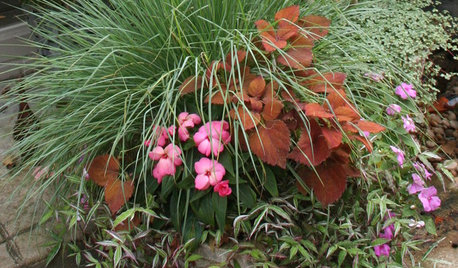
CONTAINER GARDENSContainer Garden Basics: Mix Textures to Catch the Eye
A mix of textures makes for potted gardens where each plant has a special role to play
Full Story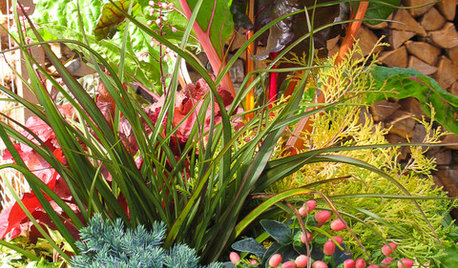
PLANTING IDEASStretch the Budget, Seasons and Style: Add Conifers to Your Containers
Small, low-maintenance conifers are a boon for mixed containers — and you can transplant them to your garden when they’ve outgrown the pot
Full Story
CONTAINER GARDENSContainer Gardening Basics: The Dirt on Soil
Learn the types of potting soil available and the best mixes to help your containers thrive
Full Story
FARM YOUR YARDHow to Grow Vegetables in Containers
Get glorious vegetables and fruits on your patio with a pro’s guidance — including his personal recipe for potting mix
Full Story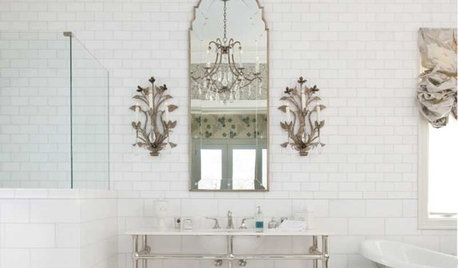
BATHROOM DESIGNHow to Mix Metal Finishes in the Bathroom
Make a clean break with one-dimensional bathroom finishes by pairing nickel, silver and bronze hardware and fixtures
Full Story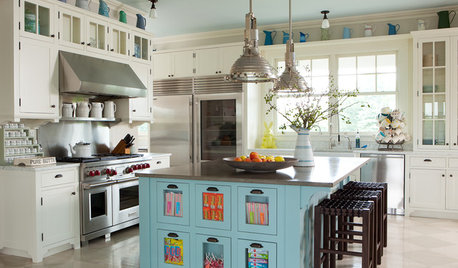
KITCHEN CABINETSKitchen Confidential: 7 Ways to Mix and Match Cabinet Colors
Can't decide on a specific color or stain for your kitchen cabinets? You don't have to choose just one
Full Story
HOUZZ TOURSMy Houzz: Mixed-Use Oregon Home Serves and Charms
Home, restaurant, garden, rental cabin — and it gives back to the community too. This multitasking home is a wonder in more ways than one
Full Story
HOUZZ TOURSHouzz Tour: Mixing It Up in a Century-Old Edwardian
Different eras, patterns and textures mingle beautifully in a Canadian interior designer's home and 'design lab'
Full Story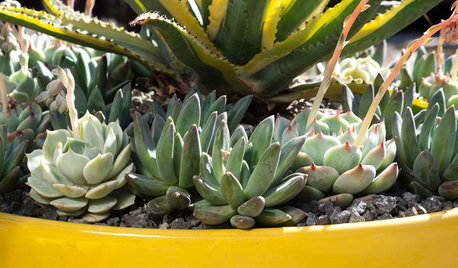
CONTAINER GARDENS3 Steps to Creating Quick, Easy and Colorful Succulent Containers
Take a bright container, add a colorful succulent or two and have a professional, summery design in minutes
Full Story
CONTAINER GARDENS9 Tips for Creating an Artful Container Garden
Make your potted plantings a beautiful sight with these ideas for container types, plant groupings and more
Full Story


lathyrus_odoratus
susan2010Original Author
Related Professionals
Springfield Landscape Architects & Landscape Designers · Lawrenceburg Landscape Architects & Landscape Designers · Spring Landscape Architects & Landscape Designers · New London Landscape Architects & Landscape Designers · Eau Claire Landscape Architects & Landscape Designers · Rapid City Landscape Architects & Landscape Designers · Vancouver Landscape Architects & Landscape Designers · Honolulu Landscape Architects & Landscape Designers · Hot Springs Landscape Contractors · Auburn Landscape Contractors · Mason City Landscape Contractors · Newburyport Landscape Contractors · Portland Landscape Contractors · Wenatchee Landscape Contractors · Canton Home Buildersjane__ny
gtippitt