

Corn and Pole Beans
15 years ago
Sort by:Oldest
Comments (7)
Related Stories
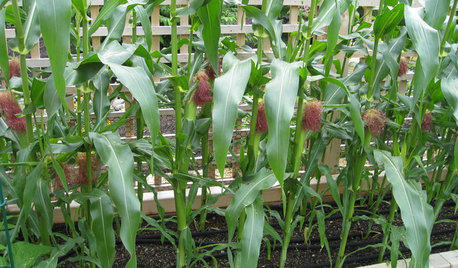
SUMMER FRUITS AND VEGETABLESHow to Grow Your Own Fresh, Sweet Corn
Here's how to plant and care for your own mini cornfield
Full Story
ORANGEInspired by Halloween: Candy Corn Color Palettes
The iconic orange, yellow and white Halloween candy suggests sunny colors for every season
Full Story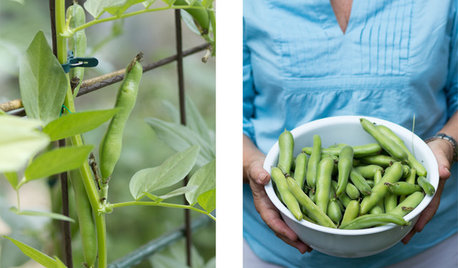
SUMMER FRUITS AND VEGETABLESSummer Crops: How to Grow Beans
Grow your own beans for amazing variety and healthy, convenient produce all summer
Full Story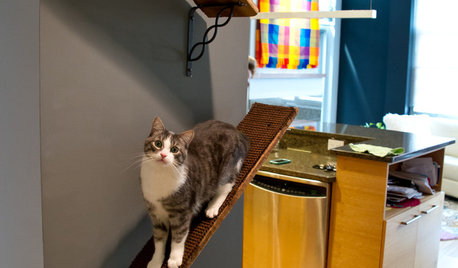
PETSUpload of the Day: Catwalks Keep Pets Happy in a Candy-Colored Condo
Shelves and wall-mounted boxes keep 2 cats active and entertained while their guardian is at work making jelly beans
Full Story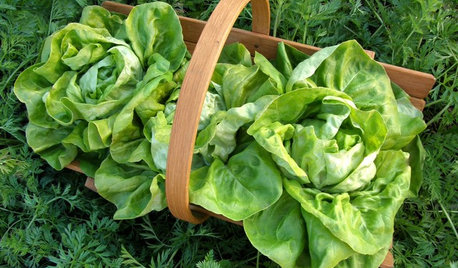
GARDENING GUIDES10 Easy Edibles for First-Time Gardeners
Focus on these beginner-friendly vegetables, herbs, beans and salad greens to start a home farm with little fuss
Full Story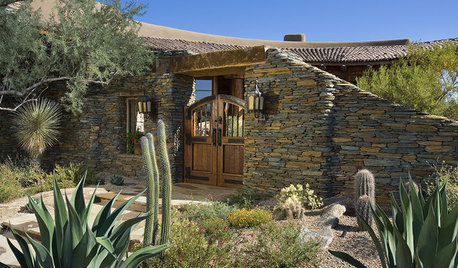
LANDSCAPE DESIGNLay of the Landscape: Southwestern Garden Style
Water may be scarce, but color and striking foliage are as profuse in the desert landscape as the sunsets are breathtaking
Full Story
GARDENING GUIDES15 Favorites for Your Summer Edible Garden
Get your summer garden off to a good start with these popular fruits and vegetables
Full Story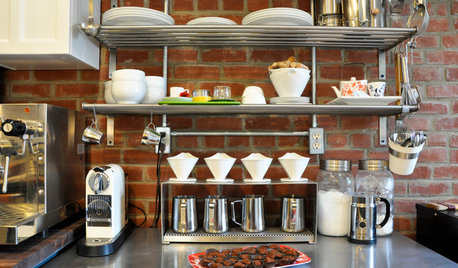
KITCHEN DESIGNSimple Pleasures: Wake Up and Smell the Coffee
Slugging down any old sludge while pulling on socks is no way to start the day. Learn to brew amazing java and savor the experience here
Full Story
OUTBUILDINGS12 Fun Backyard Forts Grown-Ups Can Love, Too
Kids might use them for secret meetings, but the word is out on these tree houses and playhouses that consider adult design tastes
Full Story
GARDENING GUIDESEssential Watering Tips for Your Edible Garden
To give your edible plants just what they need, check out these guidelines for how, when and how much to water
Full Story

n2xjk
digdirt2
Related Professionals
Middlesboro Landscape Architects & Landscape Designers · Saint Marys Landscape Architects & Landscape Designers · Billings Landscape Architects & Landscape Designers · Jackson Landscape Contractors · Charleston Landscape Contractors · Grand Rapids Landscape Contractors · Marquette Landscape Contractors · Brooklyn Landscape Contractors · Pittsburgh Landscape Contractors · Missoula Landscape Contractors · Akron Accessory Dwelling Units · Chula Vista Accessory Dwelling Units · Palm Desert Accessory Dwelling Units · El Paso Accessory Dwelling Units · Pullman Accessory Dwelling Unitsregaldozer
Belgianpup
pnbrown
spiced_ham
homeend