Software
Houzz Logo Print
sarahlynnwhite

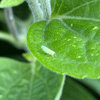
white fuzzy caterpillar

19 years ago

I was shocked when a found a white fuzzy caterpillar climbing on my asparagus bean trellis today... any ideas what this could be? I squashed it before I could get a picture. There was only one, but I also came across dozens of little green bugs that I thought were flying but looked more like they were hopping around while i sprayed bug stop on the leaves. i wish i had a picture... any ideas?

Comments (8)

  • 19 years ago

    It's probably a good idea to identify bugs before spraying your plants. You could be killing beneficial insects and not know it and using insecticides when you might not need to. Not all insects are drawn to our gardens to destroy them. Some just pass through and others prey on the pests.

    But of course there are pests. You probably have leaf-hoppers or flea beetles, but I've never heard of a white fuzzy caterpillar that's a pepper pest. Maybe someone else will know what it might be.

    The link below lists pepper pests and diseases.

    Here is a link that might be useful: Know and Manage Pepper Pests

  • 19 years ago

    thanks. the fuzzy white caterpillar wasn't on peppers though, asparagus beans aka yard-long beans. ive never seen a fuzzy white caterpillar at all before, i was shocked to see it on my plants. it wasn't eating the leaves, just climbing when i saw it. i guess i kinda panicked at the thought of hundreds of caterpillars munching on my crops. thanks. sarah

  • 19 years ago

    sarahlynn

    Yes, I stand corrected! But I don't know of a white fuzzy caterpillar that's a pest on beans or any other garden plant. That doesn't mean they don't exist though!

    Hang in there. Maybe somebody can help you discover what you had. Take a picture if you see another one.

  • 19 years ago

    I see anney, that someone has been learning and bookmarking... *wink*

    sarahlynnwhite,

    Expect your plants to host migrating insects. It's perfectly natural. No need to panic, just get informed before making rash decisions. Pest management is complex, if you wish to use chemical products, do so responsibly which goes further than reading the label. If you want to learn, a good place to start is here:

    Integrated Pest Management
    This lecture is presented in two parts. Each part is 90-minutes in length. Recorded in Sacramento County in California's Sacramento Valley, this lecture is by Mary Louise Flint, Ph.D., Director, IPM Education and Publications, UC Statewide IPM Project and Extension Entomologist & Cooperative Extension Specialist.

    Education:
    B.S. Plant Science, University of California, Davis
    Ph.D. Entomology, University of California, Berkeley

    Appointment:
    100% Cooperative Extension

    Research Interests:
    Integrated pest management of landscape, agricultural and garden pests; biological control of arthropod pests; alternatives to pesticides; adoption of alternative practices by practitioners; innovative delivery of pest management information.

    Topics discussed in the Integrated Pest Management Lecture:

    * IPM references and resources
    * Preventing pest problems
    * Natural common enemies
    * Making less toxic pesticide choices
    * Controlling aphids, scales, caterpillars, coddling moths, tree borers, snails and slugs, and lawn insects.

    You can watch the programs now online:

    Just make sure you have Real Player installed or download it free.


    Integrated Pest Management Part1 90 minutes


    Integrated Pest Management Part 2 90 minutes

    You'll want to bookmark the following link to Professor Flint's Lab Research on:
    Controlling Pests in Gardens and Landscapes: Vegetables and Melons

    I promise you'll learn one or two things to put in your gardening bag of pest management arsenals.

    ;)

  • 19 years ago

    Green caterpillars on plants usually indicate a pest, but white and fuzzy doesn't sound like any pest I know of. My apologies to all the innocent green caterpillars who were just minding their own business.

  • 18 years ago

    I took some photos of a number of these pests in my garden that basically devoured my sweet basil plants which were potted alone...in less than a day! If anyone knows the best way to get rid of them, or if they're beneficial in any way, information would be greatly appreciated.

    Here is a link that might be useful: Fuzzy White Menace

  • 18 years ago

    It may be a Spilosoma virginica, the Virginia tiger moth. It's generally thought to be a harmless creature and a pretty moth. I don't know that they prey on basil so much but they do eat plant leaves so maybe your basil was just convenient.

    Here is a link that might be useful: Spilosoma virginica Virginia Tiger Moth

  • 18 years ago

    Thanks for the head's up, Peggy. I'll keep an eye on the cocoon in the meantime, but man, they really made quick work of the two sets of basil. After thinking about it for a bit, the Genoese basil does have a bit different aroma to it and not nearly as "minty" as the sweet basil. It's more floral, but luckily so far, they haven't taken a firm liking to it. I just don't want to kill off something beneficial and I certainly won't use poisons or pesticides, but I also don't want to come out to a yardful of stems with no foilage. Perhaps they'll make a nice snack for the local birds, toads, and geckos once they emerge.