

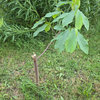
Old Green apple tree
17 years ago
Sort by:Oldest
Comments (4)
Related Stories
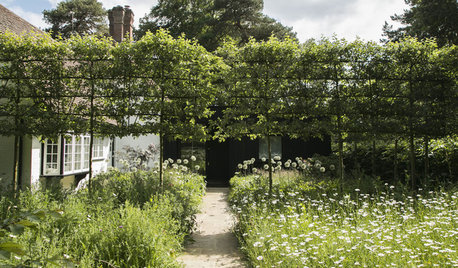
GARDENING AND LANDSCAPINGCrab Apple Trees Set Off a Stylish English Courtyard
A structure of pleached crab apple trees, bordered by a wildflower meadow, links a minimalist addition to an old house in Buckinghamshire
Full Story
EDIBLE GARDENSHow to Add an Apple Tree to Your Edible Garden
Readily available, beautiful and fragrant, apple trees offer four-season interest along with crisp, juicy fruit
Full Story
EDIBLE GARDENSWhy Grow Quince? For Beauty, Fragrance and Old-Time Flavor
Delightfully perfumed fruit and lovely spring blossoms make this apple and pear cousin worth a spot in the garden
Full Story
GARDENING AND LANDSCAPINGOld School Green Design: Keep the Trees!
Trees in the landscape add a sense of place, connection to nature, shade — and great beauty
Full Story
CHRISTMAS11 New Uses for Old-School Christmas Ornaments
Been there, done that with the tree? Have an embarrassment of extra ornaments? Try these beautifully creative decorations this Christmas
Full Story
GARDENING AND LANDSCAPINGOld School Green Design: Add Texture With Grass
Ornamental grasses capture the breeze and ripple like water in the landscape
Full Story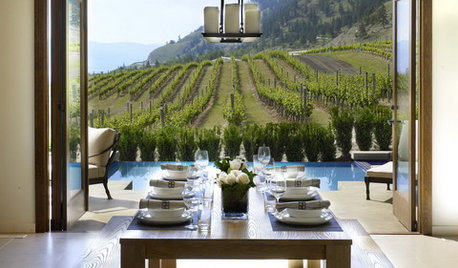
GARDENING AND LANDSCAPINGOld-School Green Design: Art Imitates Plants
Enjoy the play of color and form when nature and design work together
Full Story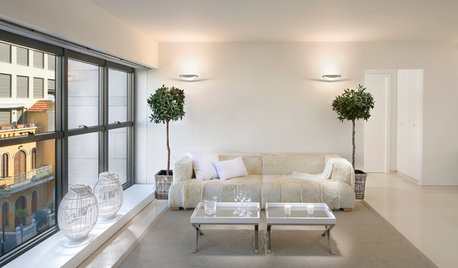

HOLIDAYS15 Spectacular Christmas Palettes Beyond Red and Green
Instead of dragging out holiday decorations in the same old expected colors this year, dare to consider these gorgeous alternatives
Full Story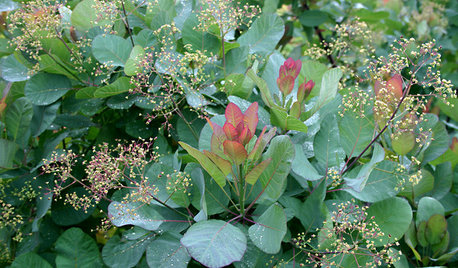
LANDSCAPE DESIGNGreat Design Plant: Old Fashioned Smoke Bush
Balance garden color with this shrub's cool blue-green foliage, luminous when backlit and sporting yellow-green flowers in spring
Full Story


jellyman
calistoga_al ca 15 usda 9
Related Professionals
Springfield Landscape Architects & Landscape Designers · Greenville Landscape Architects & Landscape Designers · Rockford Landscape Architects & Landscape Designers · Newburyport Landscape Architects & Landscape Designers · Akron Landscape Architects & Landscape Designers · Napa Landscape Architects & Landscape Designers · Montrose Landscape Architects & Landscape Designers · Anchorage Landscape Architects & Landscape Designers · Galveston Landscape Contractors · Wheeling Landscape Contractors · Bridgeport Landscape Contractors · York Landscape Contractors · Potsdam Home Additions · Lewiston Home Additions · Ottawa Home Additionsjellyman
jimzz12