

How to prep my soil
15 years ago
Sort by:Oldest
Comments (5)
Related Stories

GARDENING GUIDESHow to Prep Your Ground for a Healthy New Lawn
Seed or sod that falls on weedy, lumpy soil is a wasted effort. Follow these steps to ensure that your new lawn will thrive
Full Story
SHOP HOUZZShop Houzz: Prep Your Potting Shed
Create a workspace for every season with a potting bench, storage and garden decor
Full Story0
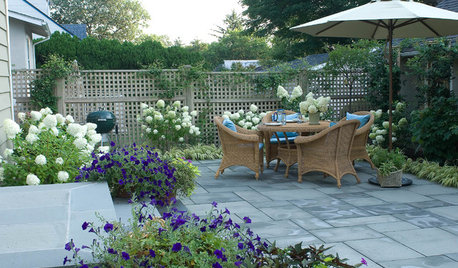
GARDENING AND LANDSCAPINGGet It Done: Clean and Prep the Patio
Haul out the hose and bid cobwebs farewell. It's time to renew your outdoor room for relaxing, dining and entertaining
Full Story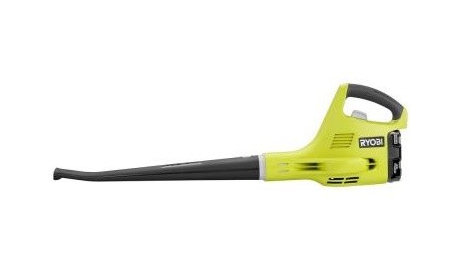
FALL GARDENING8 Must-Have Tools for Fall Backyard Prep
Autumn outdoor work feels overwhelming, but these handy tools can keep it under control
Full Story
MORE ROOMSEntertaining at Home: A Host of Party-Prep Ideas
Having company for Passover or Easter? Here's how to get your furniture, dishes, centerpieces and more ready for guests
Full Story
GARDENING GUIDESFall Is Calling: What to Do in Your October Garden
Get a jump on winter prep or just sit back and watch the leaves fall. The beauty of an autumn garden is in all the choices you have
Full Story
GARDENING GUIDESCommon Myths That May Be Hurting Your Garden
Discover the truth about fertilizer, soil, staking and more to keep your plants healthy and happy
Full Story
FALL GARDENING5 Ways to Put Fall Leaves to Work in Your Garden
Improve your soil and yard the organic way with a valuable garden booster that grows on trees
Full Story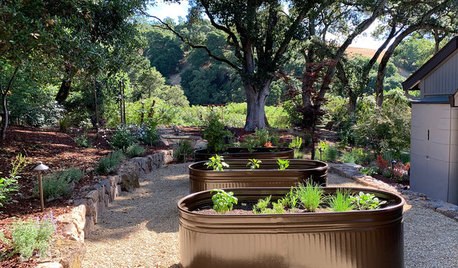
FARM YOUR YARD6 Things to Know Before You Start Growing Your Own Food
It takes time and practice, but growing edibles in the suburbs or city is possible with smart prep and patience
Full Story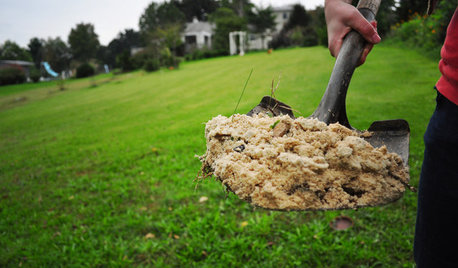
GARDENING AND LANDSCAPINGGarden Musts for March
Some toil in the soil this month will help ensure a blooming garden come summer, so dig out your shovel and bring on the mulch
Full Story

Embothrium
oihoOriginal Author
Related Professionals
Hot Springs Landscape Architects & Landscape Designers · Waco Landscape Architects & Landscape Designers · Enfield Landscape Architects & Landscape Designers · Lima Landscape Architects & Landscape Designers · Billings Landscape Architects & Landscape Designers · Medford Landscape Architects & Landscape Designers · Columbus Landscape Contractors · Harrisonburg Landscape Contractors · Marquette Landscape Contractors · Plattsburgh Landscape Contractors · Los Angeles Landscape Contractors · Lake Charles Home Additions · Natchez Home Additions · Dodge City Home Additions · Victoria Home Additionsathenainwi
alexander3_gw
oihoOriginal Author