

Lady Bugs - will do they do the work?
16 years ago
Sort by:Oldest
Comments (9)

Related Stories

PRODUCT PICKSGuest Picks: Decor to Make Your Eyes Bug Out
Insects are marching to a different tune these days, showing up on knobs, teapots and even tablecloths
Full Story
EARTH DAYHow to Help Your Town’s Beneficial Birds and Bugs
Make a habitat using local materials to provide a home to the creatures that help our gardens
Full Story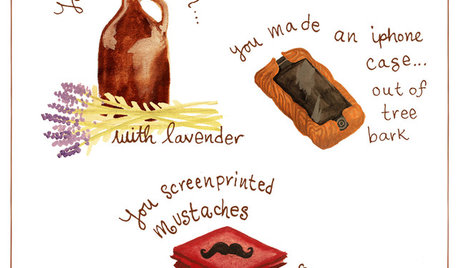
DIY PROJECTS12 Signs You've Caught the DIY Bug
Been making inventive things from scratch? Repurposing salvaged pieces creatively? It may be more serious than you think
Full Story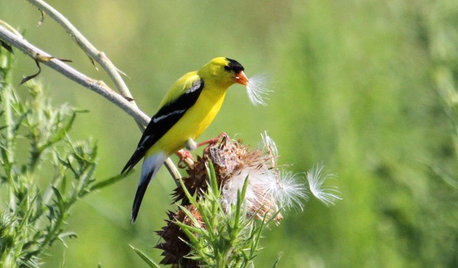
GARDENING FOR BIRDSWild Birds Transform a Woman’s Garden and Life
How Sharon Sorenson created a wildlife haven and became the Bird Lady of Southern Indiana
Full Story
PRODUCT PICKSGuest Picks: Bedroom Decor a Little Boy Will Love
Set him up in a room filled with airplanes, maps and a bug or two, and you’ll be set for decor for years
Full Story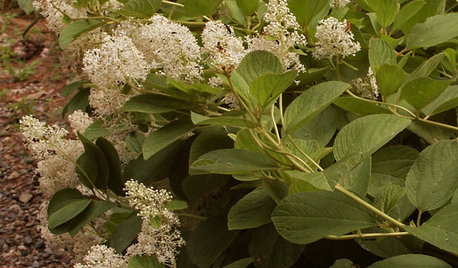
GARDENING GUIDESGreat Design Plant: Ceanothus Americanus
Thriving in lean soil and attracting the good bugs, New Jersey tea is a boon to full-sun areas of the garden
Full Story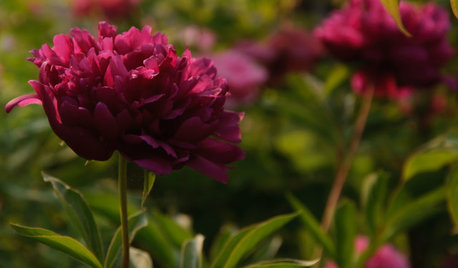
REGIONAL GARDEN GUIDESGreat Lakes Gardener's June Checklist
Hear the berries beckoning? Pluck them while enjoying the wealth of garden blossoms and maybe kicking out a few bugs this month
Full Story0

EDIBLE GARDENSGarden BFFs? Why Your Vegetables Are Begging for Companion Plants
Foster friendships among plants for protection from pests, pollination support and color camaraderie
Full Story
GARDENING GUIDESWe Bust 4 More Native Plant Myths
Have you been taken in by these fallacies about gardening with native plants?
Full Story
HOUSEPLANTSHow to Force Amaryllis Bulbs Indoors
Enjoy vibrant red blossoms even as gardens turn snowy white, by teaching this hardy repeat performer to ignore the calendar
Full Story


skeip
Christy BellOriginal Author
Related Professionals
West Palm Beach Landscape Architects & Landscape Designers · Ashland Landscape Architects & Landscape Designers · Hannibal Landscape Architects & Landscape Designers · Morgantown Landscape Architects & Landscape Designers · Anniston Landscape Architects & Landscape Designers · Bloomington Landscape Architects & Landscape Designers · Augusta Landscape Architects & Landscape Designers · Tampa Landscape Contractors · Watertown Landscape Contractors · Scranton Landscape Contractors · San Luis Obispo Landscape Contractors · Chillicothe Accessory Dwelling Units · Flint Accessory Dwelling Units · Manchester Accessory Dwelling Units · Las Cruces Accessory Dwelling Unitstaz6122
spaghetina
sandhill_farms
spaghetina
User
taz6122
gardendawgie