

Fruit Flies
15 years ago
Sort by:Oldest
Comments (5)
Related Stories

MOST POPULARHow to Get Rid of Those Pesky Summer Fruit Flies
Learn what fruit flies are, how to prevent them and how to get rid of them in your home
Full Story
EDIBLE GARDENSHow to Grow Your Own Peaches and Nectarines
Make gardening a little sweeter with these juicy fruits, which you can eat after plucking or preserve for later
Full Story
GARDENING GUIDESSpring Citrus Care Reaps Months of Sweet Rewards
Learn how to tend citrus trees in spring and ways to preserve their delicious fruit
Full Story
CONTAINER GARDENSPatio-Perfect Berry Bushes Like You’ve Never Seen
Small enough for pots but offering abundant fruit, these remarkable bred berries are a boon for gardeners short on space
Full Story
CONTRACTOR TIPS10 Things to Discuss With Your Contractor Before Work Starts
Have a meeting a week before hammers and shovels fly to make sure everyone’s on the same page
Full Story
DECORATING GUIDESThe Enduring Appeal of the Egg Basket
Hardworking wire baskets are flying the coop for a life inside, appearing as storage, organizers and decor
Full Story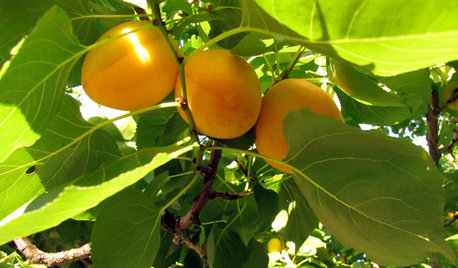
EDIBLE GARDENSHow to Grow Your Own Apricots
Velvety fruit, pretty blossoms and interesting bark make apricot trees a delight — and they’re great for smaller gardens
Full Story
GARDENING GUIDESHow to Keep Your Citrus Trees Well Fed and Healthy
Ripe for some citrus fertilizer know-how? This mini guide will help your lemon, orange and grapefruit trees flourish
Full Story
SUMMER GARDENINGHow to Grow Basil
Bright color, quick growth and endless uses for cooking make this summer annual a winner in the garden or a pot
Full Story
EDIBLE GARDENSHow to Grow Your Own Sweet Summer Crops
This guide will help any gardener get started on growing the freshest warm-season veggies and berries for summer
Full Story

fruitnut Z7 4500ft SW TX
larry_gene
Related Professionals
Galveston Landscape Architects & Landscape Designers · Pittsfield Landscape Architects & Landscape Designers · Bennington Landscape Architects & Landscape Designers · Yuba City Landscape Architects & Landscape Designers · Athens Landscape Contractors · Nashville Landscape Contractors · Bangor Landscape Contractors · Norfolk Landscape Contractors · Hudson Landscape Contractors · Bakersfield Landscape Contractors · San Jose Landscape Contractors · Knoxville Home Additions · Dubuque Home Additions · Newport Home Additions · Lewiston Home Additionstcstoehr
crk3rdOriginal Author
bejay9_10