

protecting garden rows from errosion
14 years ago
Sort by:Oldest
Comments (8)
Related Stories
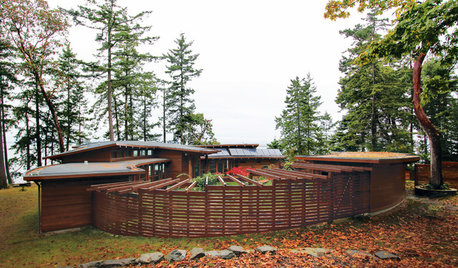
FENCES AND GATESA Deer Fence Can Be Decorative as Well as Protective
You need a monster-size fence to shelter your garden from deer, but it doesn’t have to look like a monstrosity
Full Story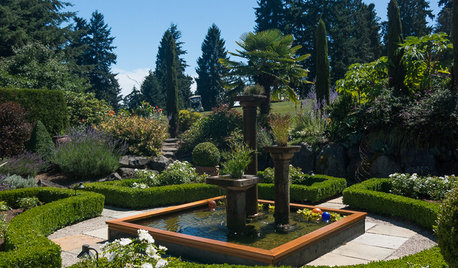
LANDSCAPE DESIGNGet a Mediterranean-Style Garden Even Far From the Sea
Some lavender here, a water feature there, and your garden just might feel transported to a balmy seaside locale
Full Story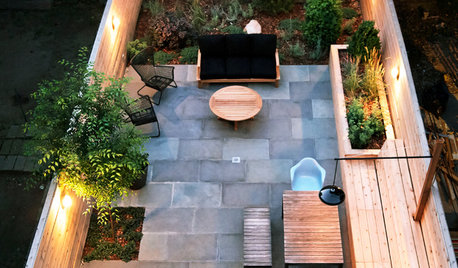
MOST POPULAR16 Ways to Get More From Your Small Backyard
Make a tight or awkward yard a real destination with these design tricks from the pros
Full Story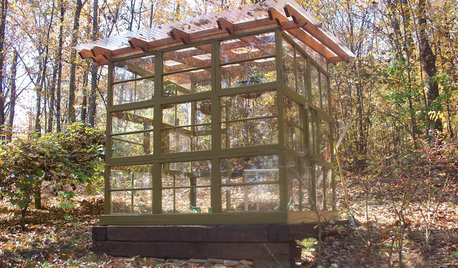
GARDENING AND LANDSCAPINGSee a Family Greenhouse Grown From Scraps
Can-do resourcefulness and less than $400 lead to a new 8- by 8-foot home for plants on a Tennessee family's property
Full Story
EDIBLE GARDENSGarden BFFs? Why Your Vegetables Are Begging for Companion Plants
Foster friendships among plants for protection from pests, pollination support and color camaraderie
Full Story
GARDENING GUIDESSouthwest Gardener's June Checklist
Protect your plants from too much sun while waiting for rain relief, and guess what? Those cacti might need a drink
Full Story
FUN HOUZZDon’t Be a Stickybeak — and Other Home-Related Lingo From Abroad
Need to hire a contractor or buy a certain piece of furniture in the U.K. or Australia? Keep this guide at hand
Full Story
MOST POPULAR15 Remodeling ‘Uh-Oh’ Moments to Learn From
The road to successful design is paved with disaster stories. What’s yours?
Full Story
HOUZZ TOURSHouzz Tour: From Shocker to Stunner in Houston
Once moldy and decrepit, this 1920s bungalow is now a neighborhood gem
Full Story
GARDENING GUIDESTexas Gardener's November Checklist
Planting and protecting are top priorities in the garden this month, so master the mulch and get those trees and shrubs in the ground
Full Story0



oliveoyl3
victorb17Original Author
Related Professionals
Daytona Beach Landscape Architects & Landscape Designers · Bainbridge Landscape Architects & Landscape Designers · Johnson City Landscape Architects & Landscape Designers · Petersburg Landscape Architects & Landscape Designers · Allentown Landscape Architects & Landscape Designers · Kenosha Landscape Architects & Landscape Designers · Lancaster Landscape Architects & Landscape Designers · Fort Myers Landscape Contractors · Fort Dodge Landscape Contractors · Buffalo Landscape Contractors · Middletown Landscape Contractors · Santa Fe Landscape Contractors · Salem Landscape Contractors · Amherstburg Landscape Contractors · Bozeman Accessory Dwelling Unitswayne_5 zone 6a Central Indiana
jonfrum
victorb17Original Author
grandad_2003
wayne_5 zone 6a Central Indiana
gardenlen