

Pickle worm prevention
16 years ago
Sort by:Oldest
Comments (5)
Related Stories
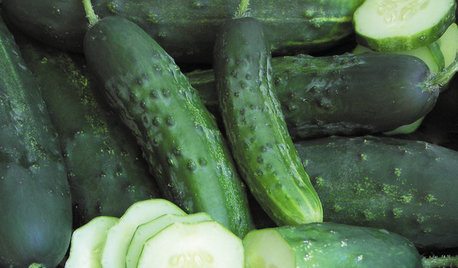
SUMMER FRUITS AND VEGETABLESSummer Crops: How to Grow Cucumbers
Pick a peck for pickles or opt for fewer and raw — no matter how you slice them, cucumbers are great for summer gardens small to large
Full Story
MOST POPULARHow to Get Rid of Those Pesky Summer Fruit Flies
Learn what fruit flies are, how to prevent them and how to get rid of them in your home
Full Story
REMODELING GUIDESTransition Time: How to Connect Tile and Hardwood Floors
Plan ahead to prevent unsightly or unsafe transitions between floor surfaces. Here's what you need to know
Full Story
GARDENING FOR BIRDSWhat to Know About Birds Nesting in Your Yard
Learn how to observe, record data and help ornithologists with NestWatch’s citizen science project understand bird trends
Full Story
DECORATING GUIDES8 Reasons to Jump Off the DIY Bandwagon
You heard right. Stop beating yourself up for not making stuff yourself, and start seeing the bright side of buying from others
Full Story
EDIBLE GARDENSHerb Garden Essentials: Grow Your Own Tasty, Frilly Dill
Flavor your food and attract butterflies with easy-care (and pretty) dill in the garden
Full Story
DECORATING GUIDESDivide and Conquer: How to Furnish a Long, Narrow Room
Learn decorating and layout tricks to create intimacy, distinguish areas and work with scale in an alley of a room
Full Story
KITCHEN DESIGN5 Home Cooks Share Their Favorite Family Recipes
Peek inside the kitchens of these Houzz users and learn how to cook their time-tested, passed-down dishes
Full Story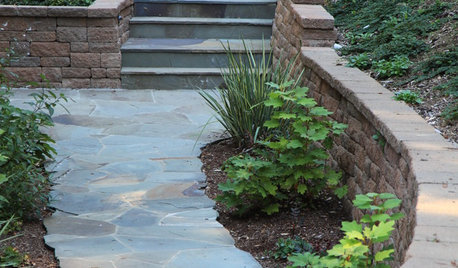
GARDENING AND LANDSCAPINGSteeply Beautiful Slope Retention
Don't let things slide or give in to sandbags and cement. These slope retention ideas will keep your landscape hitting the high notes
Full Story
COMMUNITYCommunity Building Just About Anyone Can Do
Strengthen neighborhoods and pride of place by setting up more public spaces — even small, temporary ones can make a big difference
Full Story
hoodat
elsbedOriginal Author
Related Professionals
Selma Landscape Architects & Landscape Designers · North Adams Landscape Architects & Landscape Designers · Lincoln Landscape Architects & Landscape Designers · Concord Landscape Architects & Landscape Designers · Lancaster Landscape Architects & Landscape Designers · Mankato Landscape Contractors · Laconia Landscape Contractors · Potsdam Landscape Contractors · Cowansville Landscape Contractors · Macon Accessory Dwelling Units · Wilmington Accessory Dwelling Units · Chattanooga Accessory Dwelling Units · College Station Accessory Dwelling Units · Lynchburg Accessory Dwelling Units · Augusta Accessory Dwelling Unitshoodat
elsbedOriginal Author
hoodat