

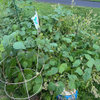
Why is almost everything looking bad in my NEW raised bed??
13 years ago
Sort by:Oldest
Comments (5)
Related Stories
HOUZZ TOURSMy Houzz: Family of 5 Lives (Almost) Clutter Free
Smart decor decisions and multipurpose items help this San Francisco family keep things tidy
Full Story
GARDENING AND LANDSCAPINGScreen the Porch for More Living Room (Almost) All Year
Make the Most of Three Seasons With a Personal, Bug-Free Outdoor Oasis
Full Story
ENTERTAININGA Place for Everything: Beautiful Ways to Style Your Table
Polish your silver and pull out your china as we look at how tables were laid out traditionally and how they shine now
Full Story
MODERN HOMESHouzz TV: Seattle Family Almost Doubles Its Space Without Adding On
See how 2 work-from-home architects design and build an adaptable space for their family and business
Full Story
DECORATING GUIDESHow to Turn Almost Any Space Into a Guest Room
The Hardworking Home: Murphy beds, bunk compartments and more can provide sleeping quarters for visitors in rooms you use every day
Full Story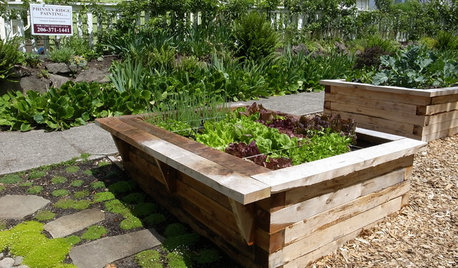
FARM YOUR YARDHow to Build a Raised Bed for Your Veggies and Plants
Whether you’re farming your parking strip or beautifying your backyard, a planting box you make yourself can come in mighty handy
Full Story
GARDENING GUIDES8 Materials for Raised Garden Beds
Get the dirt on classic and new options for raised vegetable and plant beds, to get the most from your year-round garden
Full Story
FUN HOUZZEverything I Need to Know About Decorating I Learned from Downton Abbey
Mind your manors with these 10 decorating tips from the PBS series, returning on January 5
Full Story
SMALL SPACESHouzz TV: You Won’t Believe Everything This Tiny Loft Can Do
Looking for more floor space, a San Francisco couple hires architects to design a unit that includes beds, storage and workspace
Full Story
FLOWERSGreat Design Plant: Zagreb Tickseed Takes Care of Itself (Almost)
Get colorful drama along with deer resistance, drought tolerance and low maintenance — plus a butterfly or two
Full Story

digdirt2
AmisoupOriginal Author
Related Professionals
Richmond Landscape Architects & Landscape Designers · Fort Dodge Landscape Architects & Landscape Designers · Oneonta Landscape Architects & Landscape Designers · Vancouver Landscape Architects & Landscape Designers · Washington Landscape Contractors · York Landscape Contractors · Anderson Landscape Contractors · Fort Wayne Landscape Contractors · Portland Landscape Contractors · Toronto Landscape Contractors · New Braunfels Accessory Dwelling Units · Chillicothe Accessory Dwelling Units · Davenport Accessory Dwelling Units · Burlington Accessory Dwelling Units · Janesville Accessory Dwelling Unitsgardenlen
Donna
bb