

Experienced vegetable gardeners... question about fall prep...
16 years ago
Sort by:Oldest
Comments (10)

Related Stories

WORKING WITH PROS8 Questions to Ask Yourself Before Meeting With Your Designer
Thinking in advance about how you use your space will get your first design consultation off to its best start
Full Story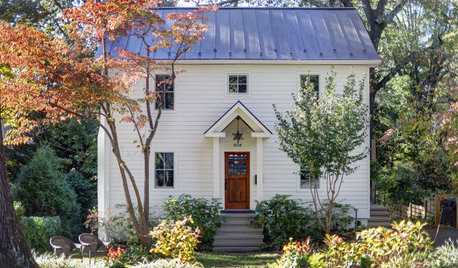
FALL GARDENINGMake This Fall’s Garden the Best Ever
Learn the most important tip for preventing buyer’s remorse, plus get more valuable buying and planting advice
Full Story
GARDENING GUIDESHow to Prep Your Ground for a Healthy New Lawn
Seed or sod that falls on weedy, lumpy soil is a wasted effort. Follow these steps to ensure that your new lawn will thrive
Full Story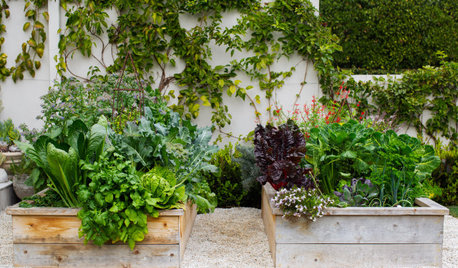
MOST POPULARHow to Start a Cool-Season Vegetable Garden
Late summer and late winter are good times to plan and plant cool-season crops like salad greens, spinach, beets, carrots and peas
Full Story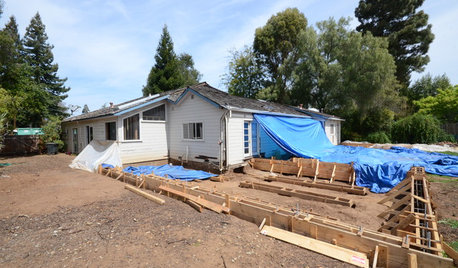
REMODELING GUIDESSurvive Your Home Remodel: 11 Must-Ask Questions
Plan ahead to keep minor hassles from turning into major headaches during an extensive renovation
Full Story
GARDENING GUIDESCool-Season Vegetables: How to Grow Turnips
Sweeter after a taste of frost, these often-overlooked root vegetables can be a surprisingly tasty part of your fall garden
Full Story0
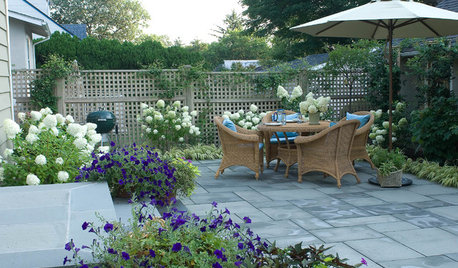
GARDENING AND LANDSCAPINGGet It Done: Clean and Prep the Patio
Haul out the hose and bid cobwebs farewell. It's time to renew your outdoor room for relaxing, dining and entertaining
Full Story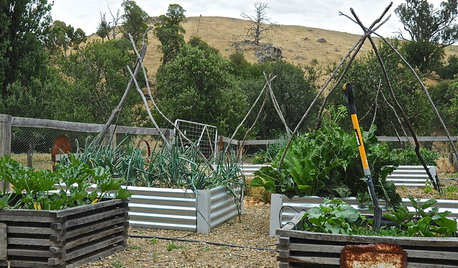
FARM YOUR YARD9 Ways to Change Up Your Vegetable Garden for the Coming Season
Try something new for edible plantings that are more productive than ever
Full Story
GARDENING GUIDESNo-Regret Plants: 5 Questions Smart Shoppers Ask
Quit wasting money and time at the garden center. This checklist will ensure that the plants you're eyeing will stick around in your yard
Full Story
GARDENING GUIDESFall Is Calling: What to Do in Your October Garden
Get a jump on winter prep or just sit back and watch the leaves fall. The beauty of an autumn garden is in all the choices you have
Full Story


jonhughes
glib
Related Professionals
Wichita Landscape Architects & Landscape Designers · Salisbury Landscape Architects & Landscape Designers · Green Bay Landscape Architects & Landscape Designers · Murfreesboro Landscape Contractors · Danbury Landscape Contractors · Worcester Landscape Contractors · Olean Landscape Contractors · Tacoma Landscape Contractors · Middletown Accessory Dwelling Units · Bloomington Accessory Dwelling Units · Covington Accessory Dwelling Units · Bloomington Accessory Dwelling Units · North Adams Accessory Dwelling Units · Montrose Accessory Dwelling Units · Kahului Accessory Dwelling UnitsUser
Dan _Staley (5b Sunset 2B AHS 7)
forpityssake
organicdan
jollyrd
oregonwoodsmoke
billy_b
User