

Potato patch question
17 years ago
Sort by:Oldest
Comments (6)
Related Stories
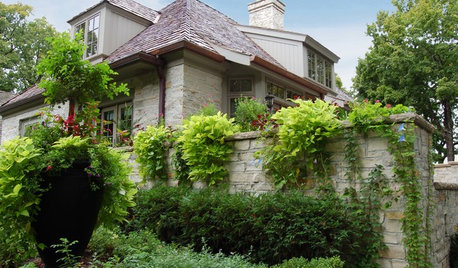
FOLIAGEGreat Design Plant: Ornamental Sweet Potato Vine
Versatile, fast growing, inexpensive and easy on the eyes, ornamental sweet potato vine has it all
Full Story
KITCHEN DESIGN9 Questions to Ask When Planning a Kitchen Pantry
Avoid blunders and get the storage space and layout you need by asking these questions before you begin
Full Story
GREEN BUILDINGConsidering Concrete Floors? 3 Green-Minded Questions to Ask
Learn what’s in your concrete and about sustainability to make a healthy choice for your home and the earth
Full Story
EDIBLE GARDENSHow to Grow Your Own Sweet Summer Crops
This guide will help any gardener get started on growing the freshest warm-season veggies and berries for summer
Full Story
GARDENING GUIDESA Mom, a Garden and a Gift for the Neighbors
Gardening can be therapeutic in unexpected ways. See how one gardener found peace and purpose in a patch of Florida soil
Full Story
REMODELING GUIDESWisdom to Help Your Relationship Survive a Remodel
Spend less time patching up partnerships and more time spackling and sanding with this insight from a Houzz remodeling survey
Full Story
GREAT HOME PROJECTSReady to Repaint Your Home’s Exterior? Get Project Details Here
Boost curb appeal and prevent underlying damage by patching and repainting your home’s outer layer
Full Story
BATHROOM DESIGNRoom of the Day: Renovation Retains a 1920s Bath’s Vintage Charm
A ceiling leak spurs this family to stop patching and go for the gut
Full Story
GARDENING GUIDES6 Steps to Get a Garden Off to a Glowing Start
Grow a lush, balanced garden from an empty patch of yard or neglected landscape spot with these easy-to-follow guidelines
Full Story
GARDENING GUIDES7 Shade-Loving Rarities of the Plant World
Cultivate a discriminating air in a shady garden patch with these uncommon woodland wonders
Full Story


zebraman
pnbrown
Related Professionals
Montgomery Landscape Architects & Landscape Designers · Miami Landscape Architects & Landscape Designers · Harrisonburg Landscape Architects & Landscape Designers · Edmonton Landscape Architects & Landscape Designers · Taunton Landscape Contractors · Muskegon Landscape Contractors · Williamsport Landscape Contractors · Queens Landscape Contractors · Augusta Accessory Dwelling Units · Lexington Accessory Dwelling Units · Baltimore Accessory Dwelling Units · Frisco Accessory Dwelling Units · Lynchburg Accessory Dwelling Units · Spokane Accessory Dwelling Units · Jackson Accessory Dwelling Unitsdeep___roots
m_lorne
Beeone
pnbrown