

Preparations for next spring
14 years ago
Sort by:Oldest
Comments (8)
Related Stories
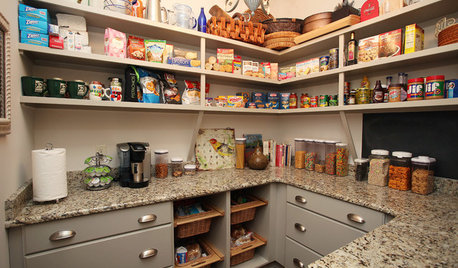
LIFEHow to Prepare for and Live With a Power Outage
When electricity loss puts food, water and heat in jeopardy, don't be in the dark about how to stay as safe and comfortable as possible
Full Story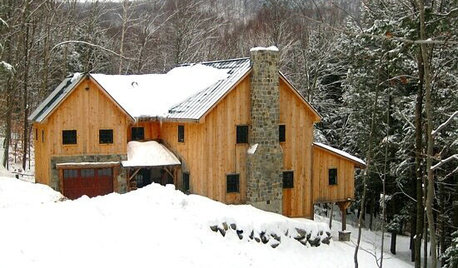
PRODUCT PICKSGet Prepared for Winter's Wonderful Ways
Are you ready for winter? It's ready for you. Here's how to weather the season with a smile
Full Story
PRODUCT PICKSGuest Picks: 20 Finds for Spring Entertaining
Fire up the grill, prepare an iced cocktail and celebrate the arrival of dining al fresco in style
Full Story0
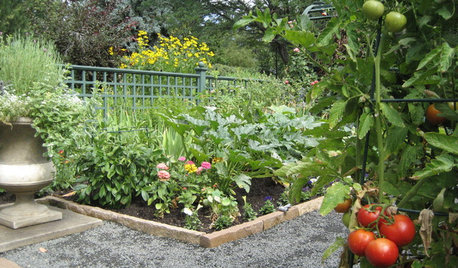
SPRING GARDENINGInspiring Raised Beds for Fall and Spring Planting
Make Your Next Vegetable Garden Even Better with Beautiful Boxes and Paths
Full Story
LIFEBe Prepared With a Household Inventory
Document your household's contents the efficient way, then let your list help you streamline your belongings
Full Story
TRAVEL BY DESIGNHow to Prepare Your House for a Home Swap
Trading homes for your vacation? Leave yours in great shape for your guests and help them enjoy a happy break with these 12 tips
Full Story
LIFEHow to Prepare Your House for Emergencies
Knock on wood you won't have any big mishaps at home, but it's important to be ready. Our checklist can help
Full Story
Winterizing: Prepare the House for Snow-Day Activities!
Here's how to set up your home for when you can't play outside
Full Story
SELLING YOUR HOUSE10 Ways to Dazzle Homebuyers This Spring
Planning to sell your home in the coming months? Improve your chances by making your house attractive to potential buyers
Full Story
PRODUCT PICKSGuest Picks: Bursts of Green for Spring
Get a jump start on the season of fresh beginnings with home decor in shades of chartreuse, lime and grass green
Full Story

wayne_5 zone 6a Central Indiana
zzackey
Related Professionals
Pine Bluff Landscape Architects & Landscape Designers · Lafayette Landscape Architects & Landscape Designers · Austin Landscape Architects & Landscape Designers · Coldwater Landscape Architects & Landscape Designers · Fargo Landscape Architects & Landscape Designers · Sheboygan Landscape Architects & Landscape Designers · Natchitoches Landscape Contractors · California Landscape Contractors · Harrisonburg Landscape Contractors · Kearney Landscape Contractors · Temecula Landscape Contractors · Lexington Accessory Dwelling Units · Somerset Accessory Dwelling Units · College Station Accessory Dwelling Units · Logan Accessory Dwelling Unitsgreenmulberry
Donna
mpt1123Original Author
bb
bi11me
sunnibel7 Md 7