

Re: pruning young pear tree
19 years ago
Sort by:Oldest
Comments (4)
Related Stories
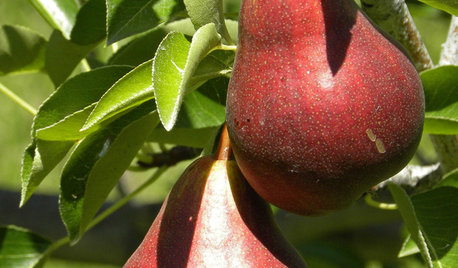
EDIBLE GARDENSHow to Grow Your Own European and Asian Pears
Try these trees for their good looks, delicious fruit and wide range of sizes — plus you can espalier them
Full Story
GARDENING GUIDESTidy Up Sprawling Native Shrubs With These Pruning Tips
Sound horticultural pruning methods work for native and nonnative plants alike
Full Story
WINTER GARDENINGPruning Secrets for Exquisite Roses
Encourage gorgeous blooms year after year with this time-tested advice on how to prune your rosebush in winter for health and shape
Full Story
TREESHow to Buy Healthy Trees and Shrubs
A healthy young plant with a strong form is more likely to do well in your yard. Here’s what to look for at the nursery
Full Story
EDIBLE GARDENSWhy Grow Quince? For Beauty, Fragrance and Old-Time Flavor
Delightfully perfumed fruit and lovely spring blossoms make this apple and pear cousin worth a spot in the garden
Full Story
GARDENING GUIDESCentral Plains Gardener's February Checklist
Learn the right way to prune trees this month — when you're not busy spying intrepid spring-hinting blossoms, that is
Full Story0

FARM YOUR YARDIf You Have Room for Only One Fruit Tree ...
Juice up a small garden with one of these easier-care or worth-the-effort fruit trees for a mild climate
Full Story
EDIBLE GARDENSHow to Grow 10 Favorite Fruit Trees at Home
Plant a mini orchard in fall, winter or early spring to enjoy fresh-off-the-tree fruit the following year
Full Story
SPRING GARDENING7 Spectacular and Practical Spring-Flowering Trees
Put on a beauteous show in the garden with a landscape tree awash in flowers — just do your homework first
Full Story
WINTER GARDENINGHow to Help Your Trees Weather a Storm
Seeing trees safely through winter storms means choosing the right species, siting them carefully and paying attention during the tempests
Full Story
jellyman
marknmtOriginal Author
Related Professionals
Cumberland Landscape Architects & Landscape Designers · Memphis Landscape Architects & Landscape Designers · Flint Landscape Architects & Landscape Designers · Hempstead Landscape Architects & Landscape Designers · Akron Landscape Architects & Landscape Designers · Anchorage Landscape Architects & Landscape Designers · Shreveport Landscape Contractors · South Bend Landscape Contractors · Tucson Landscape Contractors · Vancouver Landscape Contractors · Pensacola Home Additions · Rocky Mount Home Additions · Show Low Home Additions · Mission Viejo Home Additions · Oxnard Home Additionsaustransplant
calistoga_al ca 15 usda 9