

What do the bare spots indicate?
15 years ago
Sort by:Oldest
Comments (2)
Related Stories
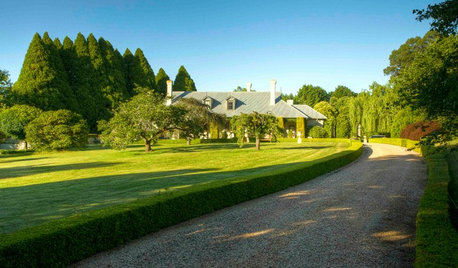
GARDENING GUIDESHow to Fix Bare and Yellow Lawn Spots
Restore your turf’s good looks by reseeding unsightly patches
Full Story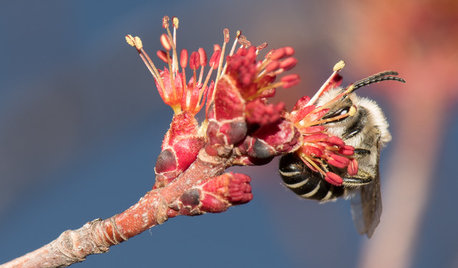
GARDENING GUIDESInvite Cellophane Bees to Your Garden by Providing Patches of Bare Soil
Look for cellophane bees (Colletes) pollinating flowering trees and shrubs in U.S. gardens this spring
Full Story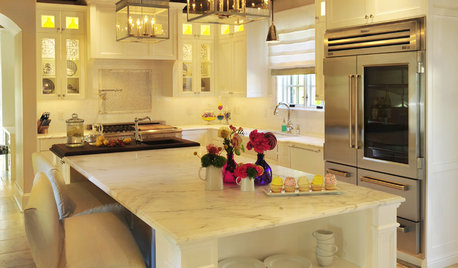
KITCHEN DESIGNSee-Through Refrigerators Dare to Go Bare
Glass-front fridge doors put your food and drinks on display, for better or worse. See the benefits and disadvantages
Full Story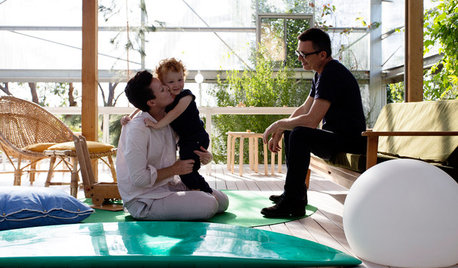
HOMES AROUND THE WORLDWorld of Design: A House That’s Barely There
A rural Australian home blurs the boundaries between indoors and outdoors, camping and permanence, privacy and transparency
Full Story
MY HOUZZMy Houzz: Once-Bare Seattle Yard Now Fit for a Wedding
DIY patience pays off for an interior designer and a contractor who transformed their landscape for the party of their lives
Full Story
CONTAINER GARDENSCactus and Succulent Containers Are Ideal for Hot, Sunny Spots
Bring on the sun with these heat-loving succulent container gardens
Full Story
GARDENING GUIDES6 Native Ground Covers for Tough, Dry Spots
Sun beating down on your sandy gravel? Thick shade darkening your clay soil? There’s a ground cover here for you
Full Story
PATIOSAn Outdoor Dining Spot Creates Quiet Time in the Heart of San Francisco
See how this abandoned site became a big-city oasis with the help of a new lawn and a unique outdoor dining area
Full Story
ATTICS14 Tips for Decorating an Attic — Awkward Spots and All
Turn design challenges into opportunities with our decorating ideas for attics with steep slopes, dim light and more
Full Story
UPHOLSTERYSeeking a Quiet, Relaxed Spot? Try Upholstering Your Walls
Upholstery can envelop an entire room, a framed panel or a single wall. See some design options and learn what to expect
Full Story

dchall_san_antonio
easychairOriginal Author
Related Professionals
Wilmington Landscape Contractors · Jacksonville Landscape Contractors · Athens Landscape Contractors · Tyler Landscape Contractors · Pittsfield Landscape Contractors · Tucson Landscape Contractors · San Jose Landscape Contractors · Cheyenne Landscape Contractors · West Palm Beach Home Builders · Terre Haute Home Builders · Peoria Home Builders · Fall River Home Builders · Jamestown Home Builders · Poughkeepsie Home Builders · Altoona Home Builders