

Question - branch spreading in winter
19 years ago
Sort by:Oldest
Comments (7)
Related Stories
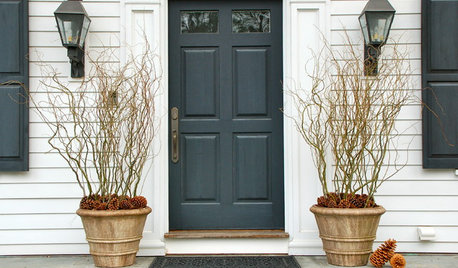
WINTER GARDENINGBranches Bring the Winter Spirit to Container Gardens
Add dimension and drama to winter pots with branches from austere to downright colorful
Full Story
WINTER GARDENINGInspiring Winter Scenes From the Denver Botanic Gardens
Use seed heads, bare branches and grasses to design lovely garden displays when the ground is frozen
Full Story
CONTEMPORARY HOMESHouzz Tour: Brood Spreads Its Wings in Art-Filled Addition
An Australian beach house in a tropical setting expands beautifully for a family of 6
Full Story
WINTER GARDENING8 Gorgeous Trees for Winter Interest in the Garden
Intriguing forms and beautiful branches take center stage when color heads back into the wings of the winter landscape
Full Story
GARDENING GUIDES6 Rockin’ Red Plants for Winter Gardens
Use the bright berries or branches of these cold-climate favorites for outdoor garden interest or container arrangements anywhere
Full Story
GARDENING GUIDES6 Branches and Berries to Spruce Up Holiday Decor
Bring garden cuttings in from the cold to warm up seasonal arrangements and decorate your home for the holidays
Full Story
ORGANIZINGPre-Storage Checklist: 10 Questions to Ask Yourself Before You Store
Wait, stop. Do you really need to keep that item you’re about to put into storage?
Full Story
GARDENING GUIDESNo-Regret Plants: 5 Questions Smart Shoppers Ask
Quit wasting money and time at the garden center. This checklist will ensure that the plants you're eyeing will stick around in your yard
Full Story
REMODELING GUIDESConsidering a Fixer-Upper? 15 Questions to Ask First
Learn about the hidden costs and treasures of older homes to avoid budget surprises and accidentally tossing valuable features
Full Story
LIGHTING5 Questions to Ask for the Best Room Lighting
Get your overhead, task and accent lighting right for decorative beauty, less eyestrain and a focus exactly where you want
Full Story

fruitnut Z7 4500ft SW TX
franktank232
Related Professionals
Washington Landscape Architects & Landscape Designers · Wilmington Landscape Architects & Landscape Designers · Potsdam Landscape Architects & Landscape Designers · Salinas Landscape Architects & Landscape Designers · Hot Springs Landscape Contractors · Charleston Landscape Contractors · Martinsburg Landscape Contractors · Rutland Landscape Contractors · Salt Lake City Landscape Contractors · Vancouver Landscape Contractors · Athens Home Additions · Bennington Home Additions · Durango Home Additions · Carlsbad Home Additions · Edmonton Home Additionsapplenut_gw
Beeone
calistoga_al ca 15 usda 9
larry_tOriginal Author
murkwell