

Nitrogen, food for thought
15 years ago
Sort by:Oldest
Comments (10)
Related Stories
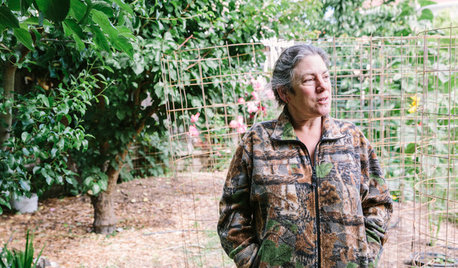
FARM YOUR YARDTo Get the Food They Believe In, These Urbanites Grow Their Own
Home gardeners farming on their city lots find that local, organic food isn’t the only reward
Full Story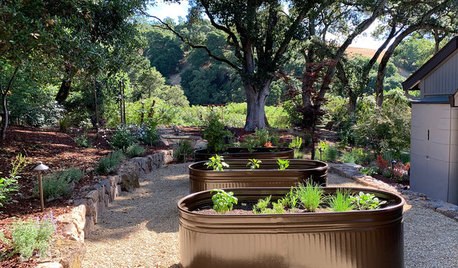
FARM YOUR YARD6 Things to Know Before You Start Growing Your Own Food
It takes time and practice, but growing edibles in the suburbs or city is possible with smart prep and patience
Full Story
PRODUCT PICKSGuest Picks: Food Lover's Holiday Gift Guide
20 gifts for the aspiring chef, amateur baker or holiday hostess on your list
Full Story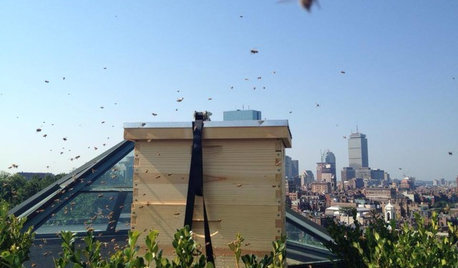
FARM YOUR YARDHello, Honey: Beekeeping Anywhere for Fun, Food and Good Deeds
We need pollinators, and they increasingly need us too. Here, why and how to be a bee friend
Full Story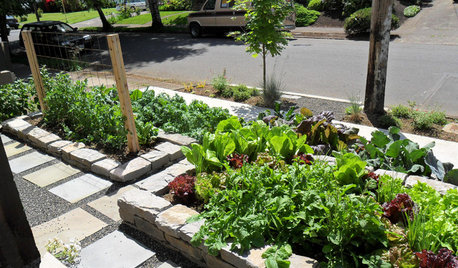
FRONT YARD IDEASWelcome Edibles Into the Front Yard for Fresh Food and More
Give your front yard design a boost and maybe even make new friends by growing fruits and vegetables
Full Story
SMALL SPACESCottages: The Comfort Food of Architecture
Soul satisfying and as snug as a favorite sweater, a cottage knows how to roll out the welcome mat
Full Story
KITCHEN STORAGEPantry Placement: How to Find the Sweet Spot for Food Storage
Maybe it's a walk-in. Maybe it's cabinets flanking the fridge. We help you figure out the best kitchen pantry type and location for you
Full Story
EDIBLE GARDENSFood and Community Thrive in a U.K. Allotment Garden
Get a peek at a rented garden plot in England where edibles and flowers mix and local residents can mingle
Full Story
GARDENING GUIDESYes, You Can Grow Food in a Shady Yard
Your shady garden doesn’t have to be forever barren. Berries, herbs and other shade-loving plants can produce a delicious bounty
Full Story
CHRISTMAS10 Thoughtful and Thrifty Christmas Table Touches
If you’re after some affordable decorative touches to add to your holiday table this year, here are a few ideas to inspire you
Full Story
pnbrown
gargwarb
Related Professionals
Port Saint Lucie Landscape Architects & Landscape Designers · Hannibal Landscape Architects & Landscape Designers · Columbia Landscape Architects & Landscape Designers · Salinas Landscape Architects & Landscape Designers · Leamington Landscape Architects & Landscape Designers · Athens Landscape Contractors · Dalton Landscape Contractors · Bloomington Landscape Contractors · Chula Vista Landscape Contractors · Montgomery Architects & Building Designers · Columbia Architects & Building Designers · Roanoke Architects & Building Designers · Enfield Architects & Building Designers · Chicago Architects & Building Designers · Detroit Architects & Building DesignersMichaelOriginal Author
gargwarb
MichaelOriginal Author
pnbrown
MichaelOriginal Author
gargwarb
pnbrown
MichaelOriginal Author