

So is using fish emulsion for indoor plants dumb?
19 years ago
Featured Answer
Sort by:Oldest
Comments (10)
 19 years ago
Related Professionals
Macon Landscape Architects & Landscape Designers · Provo Landscape Architects & Landscape Designers · Paducah Landscape Contractors · Fayetteville Landscape Contractors · Duluth Landscape Contractors · Lincoln Landscape Contractors · Olean Landscape Contractors · Concord Landscape Contractors · Rapid City Landscape Contractors · Houston Architects & Building Designers · Tyler Architects & Building Designers · Albany Architects & Building Designers · Hempstead Architects & Building Designers · Marinette Architects & Building Designers · Kennewick Architects & Building Designers 19 years ago
- 19 years ago
- 19 years ago
- 19 years ago
- 19 years ago
- 19 years ago
- 19 years ago
 6 years agolast modified: 6 years ago
Related Stories

HOUSEPLANTS8 Essentials for Healthy Indoor Plants
Houseplants add so much to our homes — and can thrive when grown in the right conditions. Keep these tips in mind
Full Story
GARDENING AND LANDSCAPINGHow to Make a Pond
You can make an outdoor fish paradise of your own, for less than you might think. But you'll need this expert design wisdom
Full Story
DECORATING GUIDESDesigning Nemo: 30 Fish Tanks Make a Decorative Splash
Bring an otherworldly glow and a calming vibe to your home with the living art of an aquarium
Full Story
PETSSo You're Thinking About Getting a Dog
Prepare yourself for the realities of training, cost and the impact that lovable pooch might have on your house
Full Story
HERBSHow to Grow Herbs Indoors
Have a sunny window? Enjoy the flavor of fresh herbs year-round by growing them in the house
Full Story
DINING ROOMSColor Feast: When to Use Gray in the Dining Room
The right shade of gray pairs nicely with whites and woods to serve up elegance and sophistication
Full Story
MATERIALSShould You Use Composite Timber in Your Landscape?
This low-maintenance alternative to wood is made from varying amounts of recycled plastic. Consider it for decks, fences and more
Full Story
HOUSEPLANTSBaby Tears Mimics Moss for a Green Accent Indoors
This adaptable spreader thrives in water or soil, making it a terrific addition to containers and living walls
Full Story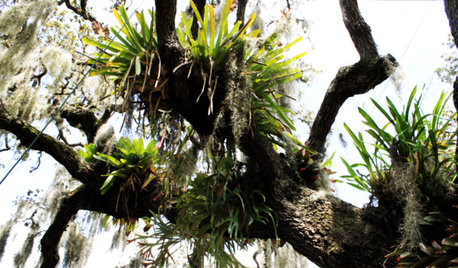
GARDENING GUIDESGot a Hot, Humid Landscape? Add Tropical Flair With Air Plants
Turn tree trunks and walls into lush canvases with plants adapted to the canopies of the rainforest
Full Story
PETS10 Tips for Keeping Indoor Cats Healthy and Happy
It's National Cat Day: Ask not what your cat can do for you (because it will ignore you) but what you can do for your cat
Full StorySponsored

Customized Award-Winning Interior Design Solutions in Franklin Cnty OH
justaguy2