

NonToxic Plastic lining
18 years ago
Sort by:Oldest
Comments (4)
Related Stories
HEALTHY HOMENontoxic Paint 101
If 'VOC' sounds like gobbledygook and you have no clue what causes that funny smell, check out this primer on ecofriendly paint types
Full Story
HOUSEKEEPINGGet Those Carpet Stains Out: Best Nontoxic Methods for Spot Cleaning
Banish blotches the safe way with pantry staples, to get your rugs looking as clean as the day they came home
Full Story
MY HOUZZMy Houzz: Plastic Is King in an Out-of-This-World Home
Packed with wild colors, vintage collectibles and all things plastic, this Netherlands rental boldly ventures into futuristic territory
Full Story
KITCHEN COUNTERTOPSKitchen Counters: Plastic Laminate Offers Options Aplenty
Whatever color or pattern your heart desires, this popular countertop material probably comes in it
Full Story
GARDENING AND LANDSCAPINGGarden Edging: Clean Lines for Your Landscape
Brick, Metal, Wood or Concrete Edging Helps Keep Your Garden In Shape
Full Story
BATHROOM DESIGNBathroom Details: Show Off Your Sink Line
You heard right. Exposed sink traps have gone stylish, with more materials and matching fittings than ever
Full Story
EXTERIORSWhere Front Yards Collide: Property Lines in Pictures
Some could be twins; others channel the Odd Couple. You may never look at property boundaries the same way again
Full Story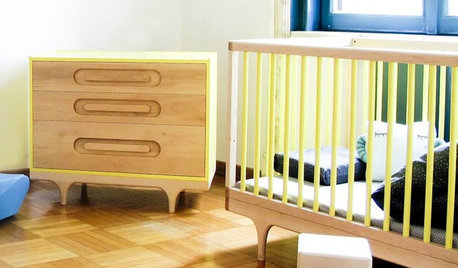
HEALTHY HOMEGive Your Baby the Healthiest, Safest Nursery Possible
Protect your newborn by choosing nontoxic nursery furniture, bedding, rugs and paint. We give you all the details here
Full Story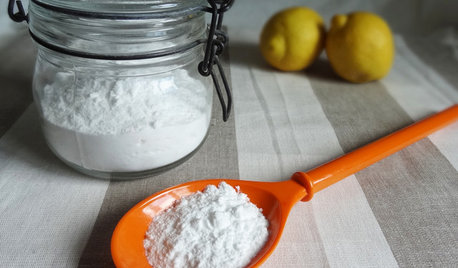
HOUSEKEEPINGBaking Soda: The Amazing All-Natural Cleanser You Already Own
Battle grime, banish odors and freshen clothes with this common nontoxic cupboard staple
Full Story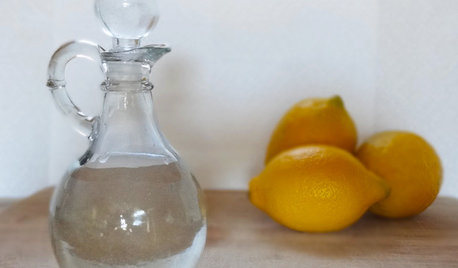
HOUSEKEEPINGVinegar and Voilà: Clean Your House the Natural Way
Ditch the commercial cleaners for nontoxic, inexpensive and versatile white vinegar
Full Story

Kimmsr
dchall_san_antonio
Related Professionals
DeRidder Landscape Architects & Landscape Designers · Oxford Landscape Architects & Landscape Designers · Crestview Landscape Contractors · Tallahassee Landscape Contractors · West Palm Beach Landscape Contractors · Hartford Landscape Contractors · Mason City Landscape Contractors · Traverse City Landscape Contractors · Buffalo Landscape Contractors · Tuscaloosa Architects & Building Designers · Salisbury Architects & Building Designers · Joplin Architects & Building Designers · Concord Architects & Building Designers · Detroit Architects & Building Designers · San Jose Architects & Building Designerssdrawkcab
pattypan