

Wheat-based cat litter
17 years ago
Sort by:Oldest
Comments (9)
Related Stories
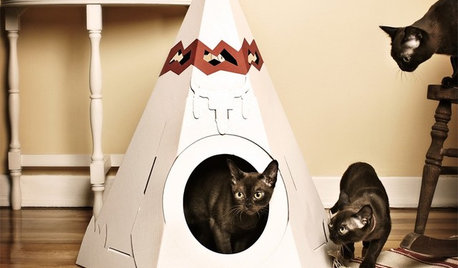
LIFEGet the Scoop on High-Design Litter Boxes
Unavoidable doesn't have to mean unpleasant; cats and guardians alike will purr over these terrific design solutions for the litter box
Full Story
PETSSo You Want to Get a Cat
If you're a cat lover, the joys outweigh any other issue. If you haven't lived with one yet, here are a few things to know
Full Story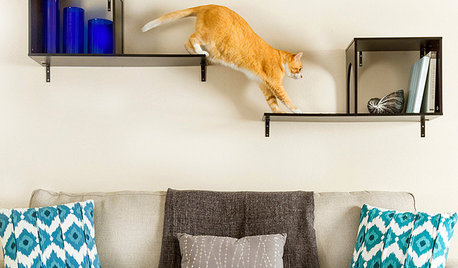
SHOP HOUZZHouzz Products: Create a Cat Heaven at Home
Show kitty you care and keep your style too with fun and cozy cat beds, perches, trees and decor
Full Story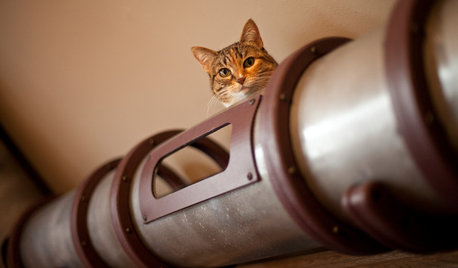
FUN HOUZZGeek Lab: How to Build a Steampunk Cat Transit System
Give your kitty another avenue for fun with a tubular walkway system that lets him go his own way
Full Story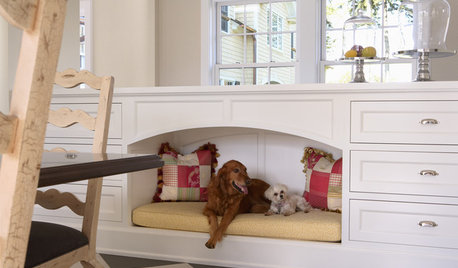
DECORATING GUIDES5 Pet Problems Solved by Design
Design-Friendly Ideas for Pet Beds, Bowls, Doors — and yes, the Litter Box
Full Story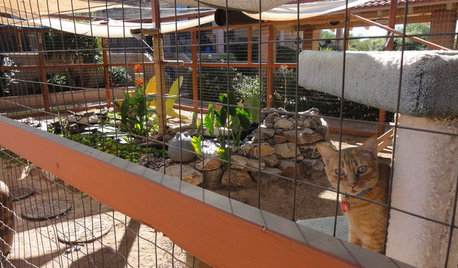
PETSSee a Deluxe 'Catio' Built for Feline Fun
Sixteen lucky cats get the run of a protected outdoor patio with ramps, steps and even a koi pond
Full Story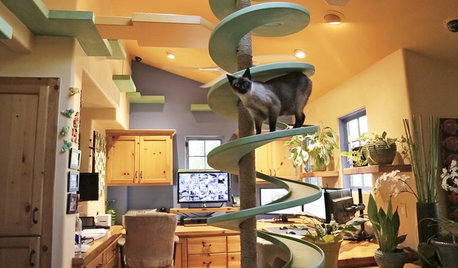
PETSIncredible Home Catwalks Make for Purr-fectly Happy Felines
Walkways and tunnels custom built to the tune of about $35,000 keep a homeowner’s 18 cats on cloud nine
Full Story
PETSDealing With Pet Messes: An Animal Lover's Story
Cat and dog hair, tracked-in mud, scratched floors ... see how one pet guardian learned to cope and to focus on the love
Full Story
PETSWorld of Design: Pampered Pets and Their 10 One-of-a-Kind Homes
Fall in love with these critters and their clever living spaces, from a cat playground in France to a chicken house in the U.S.
Full Story
40 Fun Gifts for Your Pet-Loving Friends
Houzz Gift Guide: 40 New Ways to Love Dogs, Cats and Birds in Style
Full Story
toxcrusadr
lynxe
Related Professionals
Rome Landscape Architects & Landscape Designers · Ashland Landscape Architects & Landscape Designers · Harrisonburg Landscape Architects & Landscape Designers · Clarksburg Landscape Architects & Landscape Designers · Keene Landscape Architects & Landscape Designers · San Jose Landscape Architects & Landscape Designers · Spokane Landscape Architects & Landscape Designers · Vincennes Landscape Contractors · Murfreesboro Landscape Contractors · Lewiston Landscape Contractors · Altoona Landscape Contractors · Philadelphia Stone, Pavers & Concrete · Gloucester Stone, Pavers & Concrete · Harrisburg Stone, Pavers & Concrete · Rutland Stone, Pavers & Concretejeremyjs
tiffy_z5_6_can
dchall_san_antonio
toxcrusadr
gatormomx2
the_virginian
kiddo_1