

Storing pump for winter
18 years ago
Sort by:Oldest
Comment (1)
Related Stories

SHOP HOUZZShop Houzz: Store Winter Clothes and Gear
Pack and store your winter wardrobe with care, so it will be in good shape for next year
Full Story0

FALL AND THANKSGIVINGSimple Pleasures: A Cozy Home in Cold Weather
Stock up on these treats and essentials to make even blustery days and snowed-in time feel special
Full Story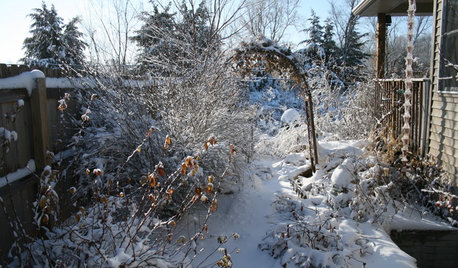
LIFE6 Ways to Beat the Winter Blahs
Snow and dark days dampening your spirits? These ideas will have you looking on the bright side
Full Story
GARDENING GUIDESGarden Myths to Debunk as You Dig This Fall and Rest Over Winter
Termites hate wood mulch, don’t amend soil for trees, avoid gravel in planters — and more nuggets of garden wisdom
Full Story
HOUZZ TOURSMy Houzz: Fitness and Color Pump Up a Dallas Home
A Texas mom brings her work home with a fitness studio amid rooms energized with color and charm
Full Story
DECORATING GUIDESHouzz Tour: Couple Pares Down and Pumps Up the Style
A big transition from a large suburban house to a 1,200-square-foot urban condo is eased by good design
Full Story
FIREPLACESFind a Fitting Place to Store Your Firewood
Fuel warm and snuggly nights at home by including a spot for logs in your fireplace design
Full Story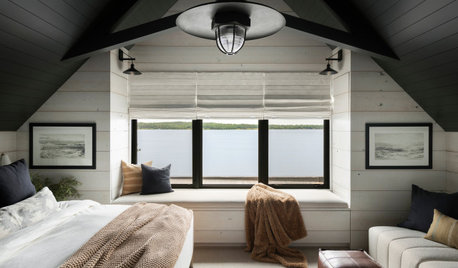
LIFESimple Pleasures: A Long Winter’s Nap
This time of year we can always use a little extra rest. Make it easy with these ideas for daytime napping
Full Story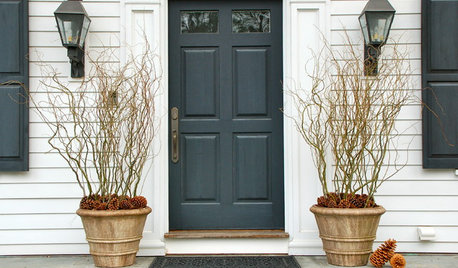
WINTER GARDENINGBranches Bring the Winter Spirit to Container Gardens
Add dimension and drama to winter pots with branches from austere to downright colorful
Full Story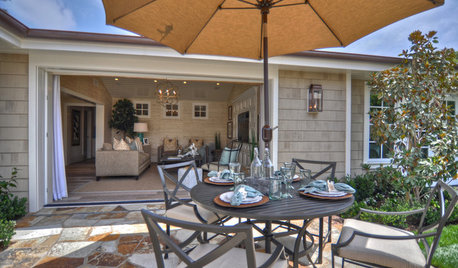
GARDENING AND LANDSCAPINGFall Checklist: 8 Ways to Winterize Your Patio
See how to get your deck or patio ready for cold, wet weather — and keep things in good shape for next spring
Full Story
horton
Related Professionals
Bainbridge Landscape Architects & Landscape Designers · Fort Myers Landscape Contractors · Natchitoches Landscape Contractors · Florence Landscape Contractors · New York City Landscape Contractors · Erie Landscape Contractors · Bend Landscape Contractors · Kennewick Landscape Contractors · Hilo Landscape Contractors · Lagrange Landscape Contractors · Chicago Design-Build Firms · Springfield Design-Build Firms · Saginaw Design-Build Firms · Huron Design-Build Firms · Stockton Design-Build Firms